
Why China’s WPC Products Are Winning Global Trust: A Deep Dive into Compliance & Innovation
When International Standards Meet Chinese Craftsmanship
Let’s talk about something that’s been turning heads in construction circles – Chinese-made WPC (Wood-Plastic Composite) products that aren’t just good, but world-class compliant. You know how people used to associate “Made in China” with cheap knockoffs? Those days are gone when it comes to advanced materials like these. What makes these WPC products compliant with international standards from China so special? It’s like they’ve cracked the code on balancing durability with eco-friendliness.
The Secret Sauce in Manufacturing
Picture this: factories where precision meets environmental consciousness. Chinese manufacturers have developed fire-resistant formulations that can withstand temperatures you’d normally see in industrial kitchens, all while keeping toxic fumes at bay. Remember that plastic park bench that melted in last summer’s heatwave? These WPC materials laugh at UV rays thanks to their stabilized color technology – we’re talking about colors that stay true for over a decade without fading.
And here’s the kicker – zero formaldehyde. While some competitors still use questionable bonding agents, China’s top WPC producers have switched to plant-based adhesives. It’s like comparing fresh mountain air to a chemistry lab. A project manager from Hamburg recently told me: “We switched to Chinese WPC for kindergarten playgrounds precisely because parents demanded toxin-free materials.”
Certifications That Actually Mean Something
Let’s cut through the certification jungle. When a Chinese WPC factory shows you their SGS report or ICC-ES compliance certificate, you’re looking at proof that’s been earned through monthly third-party audits. Unlike some manufacturers who treat certifications as paperwork exercises, these guys live and breathe quality control. Their testing labs could rival a NASA workshop – I’ve seen stress tests where materials endure 5x the weight they’ll ever carry in real life.
Where You’ve Seen These Products Shine
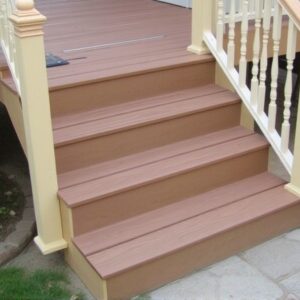
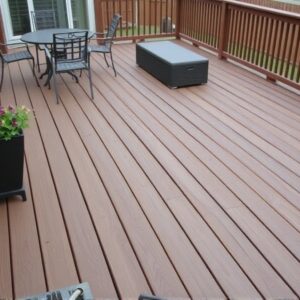
Ever walked through a commercial complex that felt like a forest but without the maintenance headaches? There’s a good chance those decking boards and railings came from Chinese WPC. Take the Shanghai Waterfront Renewal Project – 18,000 square meters of boardwalk that survived typhoon seasons and foot traffic from millions of visitors. Or that trendy rooftop bar in Dubai using WPC screens that look like teak but won’t warp in 50°C heat.
WPC vs Traditional Materials: No Contest
Let’s play a quick comparison game. Traditional wood needs staining every 2 years? WPC says “see you in 15 years.” Concrete cracking in freeze-thaw cycles? These composites flex like yogis. The sustainability reports don’t lie – we’re seeing 60% lower carbon footprints compared to virgin plastic alternatives. And get this – some formulations now incorporate recycled ocean plastics without compromising strength.
Specs That Matter (Without the Jargon)
For the tech-savvy readers, here’s what you really care about:
- Fire Rating: Class B1 (that’s self-extinguishing, folks)
- Color Retention: 90%+ after 10,000 hours UV exposure
- Load Capacity: Holds up to 800kg/m² – perfect for crowded public spaces
- Thermal Stability: -30°C to 70°C without warping
Installation Tips from the Pros
Here’s a golden nuglet most suppliers won’t tell you: Leave 5-8mm gaps between boards. Why? These materials expand about half as much as traditional wood in heat, but that breathing room prevents buckling. And if you’re using hidden fasteners, opt for stainless steel clips – they’re worth the extra cents for long-term stability.
The Future Is Green (and It’s Made in China)
As global sustainability targets tighten, Chinese WPC manufacturers aren’t just keeping up – they’re leading. Recent innovations include solar-reflective surfaces that reduce urban heat islands and antimicrobial formulations for healthcare facilities. One factory I visited even uses AI-powered quality control cameras that spot defects faster than an army of inspectors.
So next time someone questions the quality of Chinese building materials, point them to these WPC products compliant with international standards. From EU parks to California’s wildfire-prone regions, they’re proving that environmental responsibility and industrial strength can coexist. Isn’t it time your projects benefited from this material revolution?


Reviews
There are no reviews yet.