
What Does WPC Full Form in Board Really Mean? Let’s Break It Down
That “Plastic Wood” You Keep Seeing? Meet WPC
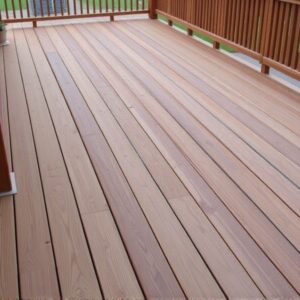
Ever walked through a friend’s backyard and thought “Wait, is that decking real wood or… something else?” Chances are you were looking at WPC board – the material that’s been quietly revolutionizing outdoor spaces. WPC stands for Wood-Plastic Composite, but let’s be real – that technical name doesn’t do justice to how cool this stuff actually is.
What’s Really in WPC Board?
Imagine taking the best parts of wood and plastic, throwing them in a blender, and baking them into something new. That’s essentially WPC. Most manufacturers use about 50-70% wood fibers (sawdust, bamboo, or recycled wood) mixed with plastics like PE or PVC. The magic sauce? Additives that make it UV-resistant and colorfast. My neighbor learned this the hard way when her untreated wood fence rotted, while my WPC deck still looks new after three rainy seasons!
How They Make This “Unicorn Material”
So how does sawdust become decking? The process starts with drying the wood fibers to remove moisture – crucial for preventing warping. Then comes the plastic binding phase where everything gets melted together in what’s basically a giant pasta extruder. The hot mixture gets shaped into boards through molds, then cooled. Fun fact: Some manufacturers can produce WPC boards faster than you can binge-watch a Netflix episode!
Why Your Next DIY Project Needs WPC
Let’s talk real-life benefits. Last summer I helped install WPC fencing around a pool area. Three things stood out: 1) No splinters (my hands thanked me), 2) When kids spilled juice, it wiped right off, and 3) Zero maintenance beyond occasional rinsing. Compared to traditional wood that needs yearly sealing, WPC is basically the “set it and forget it” of building materials.
WPC vs. Traditional Materials: The Showdown
Let’s break it down simply:
- Water resistance: Regular wood absorbs water like a sponge; WPC laughs at rain
- Maintenance: Annual staining vs. occasional hose-down
- Lifespan: 10-15 years for WPC vs 5-8 for untreated wood
- Cost: Higher upfront, but saves money long-term
Pro tip: If you’re in a humid climate, WPC’s mold resistance alone makes it worth considering.
Where You’ll Spot WPC in the Wild
Beyond the obvious decking, creative uses are popping up everywhere. My local cafe uses WPC for outdoor tabletops that survive daily coffee spills. Urban planners love it for park benches that don’t weather. Recently saw it as cladding on a modern farmhouse – looked like wood but with perfect symmetry. The possibilities keep expanding!
Picking the Good Stuff: Buyer’s Guide
Not all WPC is created equal. When shopping:
- Check density – heavier boards usually mean more wood content
- Look for UV stabilizers (prevents fading)
- Test surface texture – good grip even when wet
- Ask about warranty (5+ years is standard)
Watch out for super-cheap options – they might use lower-quality plastics that become brittle. A contractor friend told me about boards that cracked during installation because they skimped on materials.
Your Burning WPC Questions Answered
“Can I paint WPC boards?”
Technically yes, but why would you? The color goes all the way through, so scratches don’t show. If you must, use specific composite paints.
“Does it get hot in direct sun?”
Slightly warmer than wood but cooler than stone. Light colors stay comfortable even in summer – saw this firsthand at a Phoenix backyard BBQ.
“Is it really eco-friendly?”
Depends on the manufacturer. Look for boards using recycled materials and proper certifications. The best ones divert tons of wood waste from landfills annually.
Final Thoughts: Is WPC Right for You?
If you’re tired of replacing rotten wood or dealing with plastic that looks, well, plasticky, WPC offers a smart middle ground. It’s not perfect – some purists miss real wood’s natural variations. But for busy homeowners wanting low-maintenance durability? Game changer. Next time you’re at a hardware store, feel a sample board. That realistic wood grain texture might surprise you!
Remember: Quality matters. Invest in good WPC upfront, install it properly, and you might just forget what replacing decking feels like. Now if only they made WPC furniture for indoor use… wait, some manufacturers actually do!



Reviews
There are no reviews yet.