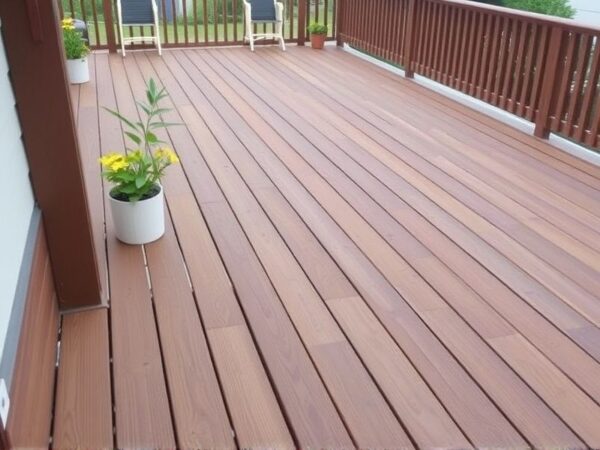
Why China’s WPC Decking Wholesale Distributors Are Reshaping Global Landscapes
When China Does Composite Decking, the World Takes Notes
Let’s face it – when it comes to manufacturing magic, China’s been rewriting the rules for decades. But in the WPC decking game? They’ve practically invented a whole new playbook. What started as an alternative to traditional wood has exploded into a $3 billion global market, with Chinese manufacturers controlling over 60% of production. And here’s the kicker: those bulk orders you’ve been pricing out? They’re probably coming from factories within 100 miles of Shanghai’s port.
The Secret Sauce in Every Board
I recently walked through a resort in Bali that used Chinese-sourced WPC, and here’s what struck me – after 3 tropical monsoons and constant foot traffic, the deck looked brand new. That’s the power of UV-resistant formulas and moisture-blocking tech that Chinese factories have perfected. Unlike traditional wood that warps faster than a politician’s promise, these composite boards laugh in the face of humidity.
More Options Than a Beijing Street Market
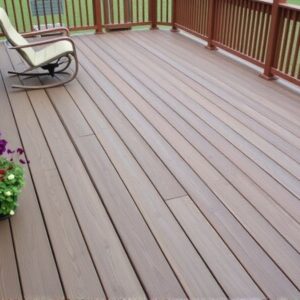
Remember when “wood-look” meant one generic pattern? Those days are gone. The latest surface textures I’m seeing include:
- Weathered teak that feels like 20-year-old yacht decking
- Slate patterns so realistic you’ll want to check for moss
- Mixed-width designs that fool even seasoned architects
And the installation systems? Think hidden clips and tongue-and-groove joints that make weekend DIY projects actually achievable.
Price Tags That’ll Make You Do a Double Take
Here’s where it gets juicy. A typical 20-foot container load from Guangdong province can land in Miami at about 30% cheaper than European equivalents. But wait – before you jump at the lowest quote, let’s talk real numbers:
| Project Size | Price Per Sq.Ft | MOQ Flexibility |
|---|---|---|
| Small (500-2,000 sq.ft) | $2.80-$3.20 | 10% color variation allowed |
| Medium (2,000-10,000 sq.ft) | $2.30-$2.75 | Custom packaging available |
| Bulk (10,000+ sq.ft) | $1.90-$2.25 | Dedicated production lines |
Pro tip: Many factories now offer blended MOQs – mix standard colors with custom hues without hitting minimums on each. Game changer for boutique projects!
When Hotels and Resorts Bet Big on Chinese WPC
The Marina Bay Sands extension in Singapore? 18,000 sq.m of WPC from Shenzhen. A Caribbean resort chain replaced their teak decks with Jiangsu-made composites after realizing they’d save $200k annually on maintenance. Urban planners in Dubai are using Zhejiang-produced boards for their heat-resistant properties – we’re talking surface temps 15°C cooler than traditional wood in midday sun.
The Certification Maze Made Simple
Every distributor claims ISO and SGS certifications, but here’s what actually matters:
- Look for ASTM D7032 compliance – it’s the durability gold standard
- True FSC certification for the wood fiber content
- Fire ratings matching your local codes (Class B is typical)
Last month, a client nearly got burned (literally) by a “certified” supplier whose fire tests were… let’s say creatively interpreted. Always request third-party verification!
Logistics Without the Headaches
Here’s how the pros handle shipping:
- Consolidated shipments from multiple factories
- Pre-assembled kits with labeled components
- Portside quality checks before loading
One distributor I work with in Qingdao even arranges customs clearance while boards are still on the water. Saved a Chicago developer 3 weeks on their last project.
Traditional Wood vs. WPC: The Smackdown
Let’s settle this once and for all:
- Lifespan: 5-7 years for wood vs 25+ for quality WPC
- Maintenance: Annual staining vs hose-down cleaning
- Eco-impact: 3x more CO2 emissions for treated lumber
But here’s the twist – some heritage projects still prefer real wood’s patina. The smart play? Use WPC for high-traffic areas, save wood for accent features.
Spotting the Real Deal From the Wannabes
After getting burned (again, literally) on a 2019 project, I developed this quick vetting checklist:
- Ask for 12-month sun exposure samples
- Test board ends for filler material – rub with acetone
- Check screw retention – loose threads mean weak composite
- Verify actual factory addresses (too many shell companies!)
The Green Revolution in Manufacturing
Surprise – China’s not just about mass production anymore. Top WPC makers are:
- Using 90% recycled HDPE from packaging waste
- Powering plants with solar thermal systems
- Implementing closed-loop water recycling
A Ningbo factory I visited last quarter turns 2 million milk jugs daily into decking boards. Now that’s what I call circular economy!
Where Smart Money’s Investing
The next big thing? Hybrid WPC systems combining:
- Integrated LED lighting channels
- Modular drainage systems
- Anti-slip textures that actually work
Keep an eye on Guangzhou innovators – they’re rolling out color-changing boards using temperature-sensitive polymers. Perfect for resort nightscapes!
Final Word: Navigating the China WPC Gold Rush
Here’s my hard-earned advice: Don’t get seduced by shiny brochures. The best China-based WPC decking wholesale distributors will:
- Provide on-demand video factory tours
- Offer 3D modeling support for complex layouts
- Have western-educated tech reps available
Remember that hotel project in Phuket? They saved $140k by working with a distributor that optimized board lengths to minimize cutting waste. Now that’s value beyond just cheap pricing!
Reviews
There are no reviews yet.