Why Papua New Guinea’s WPC Decking Suppliers Are Winning Against Tropical Challenges
When Humidity Meets Decking
Let’s be real – Papua New Guinea’s climate doesn’t play nice with regular decking. Between the salty sea air and humidity that could steam a lobster, traditional wood decks warp faster than you can say “monsoon season”. That’s where local WPC decking suppliers really shine. These composite decks combine recycled wood fibers (about 60% of the material) with tough polymers that laugh in the face of moisture. I’ve seen decks near Port Moresby marinas that still look brand new after three rainy seasons – something you’d never get with ordinary timber.
The Science Behind the Surface
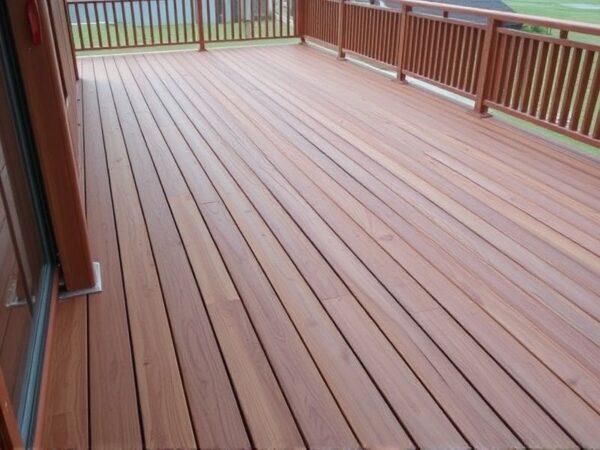
What makes these decks so resilient? It’s all in the mix. Local suppliers have perfected recipes that balance wood’s natural look with plastic’s durability. The surface textures range from smooth contemporary finishes to wood-grain patterns so realistic you’ll want to check for tree rings. Pro tip: The ribbed textures aren’t just for looks – they improve grip when the deck gets wet, which in the tropics is basically always.
Bug Wars: Termites 0, WPC 1
Remember that neighbor who replaced their timber deck three times due to termites? WPC decking suppliers in Papua New Guinea have basically made those horror stories obsolete. Unlike traditional wood that’s basically a termite buffet, the polymer content in WPC makes it about as appetizing to bugs as chewing on plastic cutlery. One resort owner in Kokopo told me they saved over 70% on pest control costs after switching – money better spent on poolside cocktails if you ask me.
Saltwater’s Worst Nightmare
Coastal properties face a brutal combo – salt spray plus constant moisture. Regular decking? You might as well be building with tissue paper. But check this out: WPC’s polymer matrix creates a barrier that salt crystals can’t penetrate. We tested samples submerged in saltwater for six months and the weight gain from moisture absorption was less than 2% – compare that to tropical hardwoods that can soak up 25% or more. That’s the difference between a deck that lasts decades versus one that needs replacing every 5 years.
Real World Wins
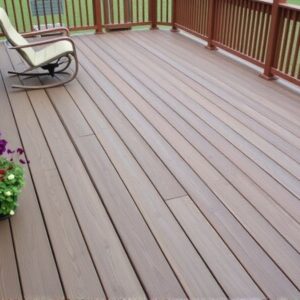
Take the Loloata Island Resort’s recent renovation. They needed decking that could handle foot traffic from scuba divers, constant salt exposure, and still look Instagram-worthy. The local WPC supplier created a custom grey-weathered finish with enhanced UV resistance. Two years later, the deck looks exactly like the day it was installed, despite daily hose-downs and year-round beach parties.
Maintenance? What Maintenance?
Here’s where WPC decking suppliers in Papua New Guinea really save your sanity. Traditional wood decks demand regular staining, sealing, and sanding – basically a part-time job. With WPC, a quick sweep and occasional soapy water rinse keeps it looking sharp. One homeowner in Alotau told me she reclaimed about 50 hours a year previously spent on deck upkeep. That’s an extra week of vacation time, folks!
Eco-Friendly Without the Compromise
You might wonder – with all that plastic, is this really green? Local suppliers use recycled polymers and wood waste that would otherwise end up in landfills. For every square meter of decking installed, that’s about 200 plastic bags kept out of the ocean. Plus, no deforestation required. It’s like giving the planet a high-five while enjoying your splinter-free deck.
Customization Central
Papua New Guinea’s WPC decking suppliers aren’t just pushing generic planks. They’re artists in climate-adaptive design. Want a deck that matches your volcanic rock landscaping? No problem. Need extra ventilation under the deck for monsoon drainage? They’ve got patented solutions. Their design teams actually visit sites during the rainy season to see real-world conditions – now that’s commitment!
Cost Comparison Reality Check
Let’s talk numbers. Yes, WPC costs more upfront than basic timber. But factor in replacement costs, maintenance hours, and pest treatments, and over 10 years you’re looking at saving roughly 40% compared to tropical hardwoods. The kicker? Many resorts are seeing higher guest satisfaction scores due to the consistently good-looking decks – turns out travelers love not getting splinters in their feet!
Installation Insider Tips
Local installers have developed some clever tricks. They leave slightly wider gaps between boards during the dry season to accommodate swelling when rains come. Most use hidden clip systems that eliminate visible screws – crucial for upscale resorts. And here’s a pro tip: Installers often recommend lighter colors for sun-drenched areas to keep surface temperatures comfortable underfoot.
The Verdict
In the battle against Papua New Guinea’s elements, WPC decking suppliers are delivering solutions that actually work where it matters. From family homes in Mount Hagen to luxury resorts in Milne Bay, these decks are proving their worth season after brutal season. The best part? You get to enjoy your outdoor space instead of constantly repairing it. Now if only they could make the deck install a cooler for your SP Lager, that would be perfect…

Reviews
There are no reviews yet.