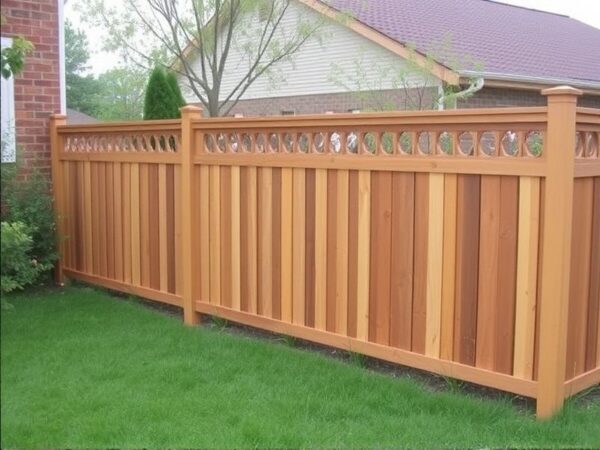
Why China’s WPC Composite Fences Are Revolutionizing Outdoor Spaces Worldwide
Ever wondered why everyone from suburban homeowners to luxury resort developers are switching to WPC composite fences? Let’s talk about how China’s manufacturing magic is turning wood fibers and recycled plastics into the fencing solution that’s got the whole world buzzing. Spoiler alert: It’s not your grandpa’s picket fence anymore.
The Secret Sauce in Your Fence
So what exactly makes these fences so special? Let’s break it down. WPC (that’s Wood-Plastic Composite for the uninitiated) blends about 50-60% wood fibers with recycled HDPE plastics – think those shampoo bottles you religiously toss into recycling bins. This combo creates material that laughs in the face of rot and shrugs off termites like they’re yesterday’s news.
I recently visited a factory in Guangdong where they were churning out fence panels that looked like premium teak but were actually made from old milk jugs and sawdust. The kicker? These panels withstand coastal salt spray better than my last beach vacation sunscreen.
Why China’s Factories Have the Edge
Here’s the thing – China’s been perfecting WPC production for over 15 years. Their factories can customize everything from the wood grain texture (want mahogany-style or rustic cedar look?) to panel heights. Most manufacturers keep 5-8 standard colors in stock, but will mix custom hues if you’re ordering enough to fill a shipping container or two.
Take Shenzhen-based GreenTech Fencing Co. They’ve got this nifty system where you send them a photo of your existing patio, and they’ll color-match your fence to blend seamlessly. Now that’s what I call service!
Battle of the Materials: WPC vs The Old Guard
Let’s get real – traditional fencing materials have their issues. Remember helping your neighbor replace his rotten wood fence last summer? Or that metal fence at the local park that started rusting before the installation crew left? Here’s the quick and dirty comparison:
| Feature | WPC | Wood | Metal |
|---|---|---|---|
| Maintenance Needed | Just hose it down | Annual staining | Rust treatment |
| Lifespan | 25+ years | 5-10 years | 10-15 years |
| Eco-Friendliness | Uses recycled materials | Deforestation concerns | High energy production |
Where These Fences Shine Brightest
From my experience helping clients choose fencing, WPC composite really comes into its own in a few key situations:
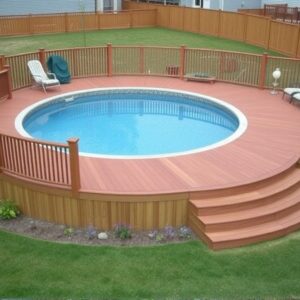
The Pool Party Favorite: Chlorine and constant moisture? No problem. These fences won’t warp or fade like traditional wood around your swimming oasis.
Slope Solutions: Working with a hilly backyard? The modular design adapts to tricky landscapes better than rigid metal or wood panels.
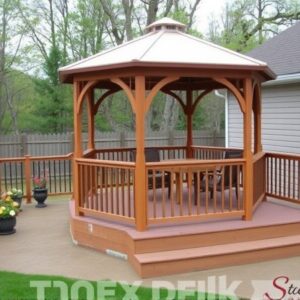
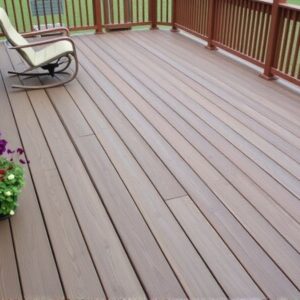
Commercial Cool: Hotels love that they can get matching fence panels and decking – creates that polished resort look without the maintenance headaches.
What You’re Really Getting (Besides a Great Fence)
When you order WPC composite fence delivery from China, you’re not just buying panels. Reputable suppliers typically include:
- Fence posts with heavy-duty steel cores
- UV-resistant caps to prevent color fading
- Hidden clip system for that clean, seamless look
- All necessary hardware (but double-check this!)
Pro tip: Always ask for samples first. The difference between premium and budget WPC becomes obvious when you feel the weight and texture.
Behind the Scenes: From Factory to Your Front Yard
Here’s how the WPC composite fence delivery process typically rolls:
- You finalize design specs (color, height, texture)
- Factory produces panels in 3-4 weeks
- Quality control checks (they should send you photos!)
- Shipping via sea freight (cost-effective for bulk orders)
- Door-to-door delivery with local installation support
Just last month, a client in Texas received their container within 35 days – not bad considering it crossed an ocean!
Green Credentials That Matter
Most Chinese WPC manufacturers now sport certifications like FSC for their wood sources and ISO 14001 for environmental management. The real win? Each 100 meters of fencing uses about 20,000 recycled plastic bottles. That’s enough to make your morning jog past the recycling center feel extra virtuous.
Common Hiccups (And How to Avoid Them)
Let’s keep it real – no product is perfect. Through trial and error, we’ve learned:
Color Consistency: Natural materials mean slight batch variations. Order 10% extra to account for this and future repairs.
Installation Know-How: While DIY-friendly, first-timers should watch the manufacturer’s installation videos. Pro tip: Use rubber mallets instead of hammers to avoid surface dings.
Is It Worth the Investment?
Upfront costs run about 20-30% higher than pressure-treated wood. But factor in zero staining costs and a lifespan triple that of traditional materials? You’ll likely break even in 7-8 years. Plus, there’s the priceless benefit of never spending another weekend scraping peeling paint.
As one client put it: “I miss the smell of fresh wood stain about as much as I miss dial-up internet.”
Your Next Steps
If you’re considering WPC composite fence delivery from China, start by:
- Measuring your linear footage (add 10% for waste)
- Requesting 3-5 supplier quotes (don’t just go with the cheapest!)
- Checking lead times – popular colors ship faster
- Verifying door-to-door delivery terms
Remember, the best suppliers will walk you through the entire process – from material selection to customs clearance. Don’t settle for less!
So there you have it – the lowdown on why China’s WPC composite fences are changing the game. Whether you’re fencing a suburban backyard or a commercial property, this might just be the last fence you’ll ever need to install. Now, who’s ready to say goodbye to splinters and hello to weekends free from maintenance chores?

Reviews
There are no reviews yet.