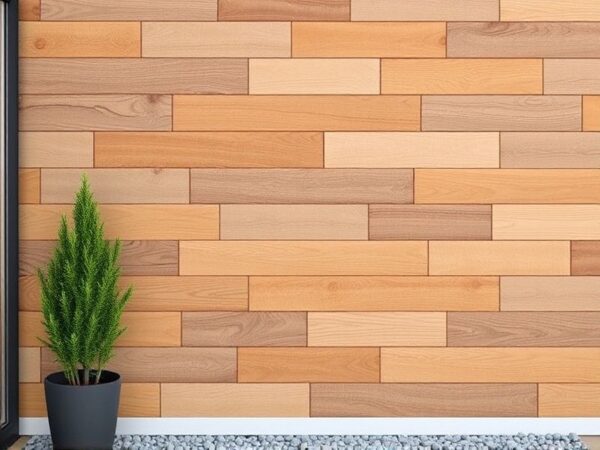
Why WPC Board Wall Cladding is Winning Over Architects and Homeowners
Let’s be real – finding wall cladding that looks great and survives daily beatings from weather is tougher than finding a parking spot at IKEA on weekends. That’s where WPC (wood-plastic composite) board wall cladding comes in. I’ve seen these systems transform everything from beachfront bistros to mountain lodges, and here’s why they’re becoming the go-to choice.
The Stuff That Makes WPC Boards Tough Cookies
Imagine mixing the best parts of wood and plastic – that’s WPC in a nutshell. Most brands use about 60% recycled plastics (think grocery bags and milk jugs getting a second life) blended with 30% wood fibers. The remaining 10%? Some secret sauce additives that make it UV-resistant and color-fast. Unlike regular wood that warps if you look at it sideways, these boards laugh at humidity. I’ve installed them in bathroom areas where traditional wood panels would’ve turned into cereal boxes within months.
Installation: Where WPC Shines Brighter Than New Tools
Remember helping your buddy install cedar siding? The measuring, sanding, sealing – felt like building a ship in a bottle? With WPC cladding, it’s more like adult Legos. Most systems use tongue-and-groove joints that snap together. No specialty tools needed – basic saws and drills do the trick. Let’s compare:
| Traditional Wood | WPC Boards | |
|---|---|---|
| Installation Time | 2-3 days | 4-6 hours |
| Prep Work | Sanding, Priming | None |
| Weather Sensitivity | Wait for dry days | Install anytime |
Last summer, we wrapped a 1,500 sq.ft. exterior in two days flat – including coffee breaks. The homeowner kept asking if we’d forgotten steps because it went up so fast!
Colors That Don’t Quit (and Textures That Feel Real)
Here’s where WPC gets sneaky good. The surface textures? They’ve got wood grain so realistic you’ll catch yourself sniffing for pine scent. Color options range from driftwood grays to espresso browns – all with UV inhibitors baked in. Unlike painted surfaces that fade faster than jeans in the sun, these hues stay true for years. Pro tip: Go slightly darker than you think. The matte finishes absorb light differently than glossy paints.
Eco-Friendly? More Like Eco-Smart
Let’s talk green credentials without the tree-hugger clichés. Most WPC boards contain over 80% recycled materials. One manufacturer told me each square meter uses the equivalent of 250 plastic bags. But here’s the kicker – when your grandkids eventually replace these boards? They’re 100% recyclable again. Compare that to vinyl siding that’s basically landfill confetti.
Maintenance: Less Work Than a Fake Plant
Here’s my favorite part. Annual maintenance involves three steps:
- Hose it down
- Mild soap if there’s grime
- Enjoy your free time
No sanding. No staining. No watching paint dry. For stubborn stains (looking at you, barbecue sauce splatters), a magic eraser works wonders. I’ve seen decade-old installations that still look fresh off the truck.
Cost Breakdown: Pay Now, Save Later
Okay, upfront costs run about 20% higher than basic wood cladding. But let’s do the math:
- Traditional wood: $8/sq.ft installed + $200/year maintenance
- WPC: $10/sq.ft installed + $20/year maintenance
By year 5, you’re breaking even. By year 10? You’ve saved enough for a nice patio set. Commercial projects see even bigger savings – no scaffolding costs for yearly repaints.
Where WPC Cladding Makes Sense (and Where It Doesn’t)
Perfect for:
- Beach houses (salt spray? No problem)
- Restaurant exteriors (grease washes right off)
- Balcony privacy screens
Think twice about:
- Historic home restorations (some preservation boards get fussy)
- Extreme heat areas (dark colors can get warm underfoot)
Pro Tips From the Trenches
Having installed hundreds of these systems, here’s my cheat sheet:
- Leave 1/8″ gaps between boards – they expand less than wood but still need breathing room
- Use stainless steel fasteners – cheaper screws will stain over time
- Order 10% extra – the color match between batches isn’t always perfect
At the end of the day, WPC wall cladding isn’t perfect – but it’s darn close for most projects. Next time you’re staring at peeling paint or warped wood, give these boards a look. Your future self (and your maintenance budget) will thank you.

Reviews
There are no reviews yet.