
What’s Really in Those WPC Boards? Breaking Down the Composition
You’ve probably seen WPC boards popping up everywhere – from your neighbor’s new deck to that chic outdoor furniture at the cafe. But what exactly makes these boards tick? Let’s peel back the layers and see what’s really going on inside those versatile planks.
The Secret Sauce: Wood Meets Plastic
At its core, WPC (that’s Wood-Plastic Composite for the uninitiated) is like the ultimate power couple of materials. Imagine taking the best parts of wood – that natural look and feel – and marrying them with the toughness of plastic. The typical mix? About 60-70% wood fibers (usually recycled sawdust or bamboo) holding hands with 30-40% polymers (mostly recycled PE or PVC). Throw in some chemical matchmakers like bonding agents and UV stabilizers, and you’ve got yourself a material that’s ready to take on the world.
How They Make This Stuff
Ever wonder how sawdust becomes a deck board? It starts with a good cleaning – those wood fibers get washed and dried to remove any sticky sap or impurities. Then comes the mixer, where wood and plastic particles do the tango with additives. The hot and heavy part happens in the extruder, where everything melts together at temperatures hot enough to make your oven jealous. What comes out is a continuous profile that gets cooled, cut, and textured to look like real wood – minus the splinters!
Why Your Backyard Loves WPC
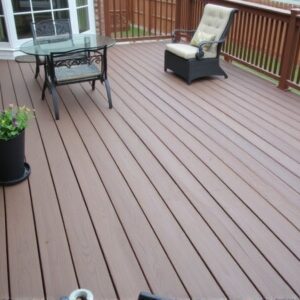
Here’s where WPC boards really shine. That plastic content? It’s like a force field against water damage. While traditional wood decks might swell up like a sponge after heavy rain, WPC just shakes it off. Maintenance? Forget annual staining – a quick hose-down is all it needs. And get this – most manufacturers use recycled materials, so you’re basically giving plastic bags and sawmill scraps a second life.
Putting WPC to Work
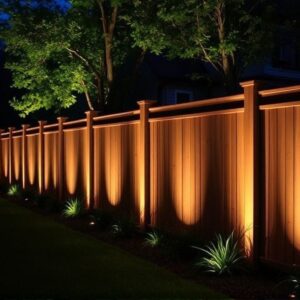
Let’s talk real-world uses. That beautiful low-maintenance deck everyone’s raving about? Probably WPC. The fence that survived three winters without warping? Likely composite. Interior designers are even getting in on the action, using these boards for feature walls and modern furniture. I recently saw a WPC kitchen island that had people arguing about whether it was real wood!
WPC vs. The Competition
| Feature | WPC | Natural Wood | PVC |
|---|---|---|---|
| Water Resistance | ★★★★★ | ★★☆☆☆ | ★★★★☆ |
| Eco-Friendliness | ★★★★☆ | ★★★☆☆ | ★★☆☆☆ |
| Maintenance Needs | ★☆☆☆☆ | ★★★★★ | ★☆☆☆☆ |
What Buyers Really Want to Know
“Will it fade?” Let’s be real – everything fades a bit in direct sunlight. But quality WPC boards have UV inhibitors that keep their color 80-90% longer than untreated wood.
“Can I install it myself?” Absolutely! The hidden clip systems make deck installation almost like adult LEGO. Though I’d recommend help for large projects – those boards get heavy fast.
“How long until I need to replace it?” Most manufacturers back their products for 20-25 years. I’ve seen decks going strong after 15 years with just basic care.
When WPC Might Not Be Your Best Bet
While WPC boards are versatile, they’re not magic. In super high-traffic commercial spaces, pure polymer boards might last longer. And if you’re after that 100% natural wood look? Some purists can still spot the difference. But for most homeowners? It’s a game-changer.
The Numbers Behind the Boards
| Spec | Typical Range |
|---|---|
| Density | 1.2-1.4 g/cm³ |
| Water Absorption | <1% |
| Thermal Expansion | 0.5-1.2% |
| Load Capacity | 300-500 kg/m² |
Green Credentials: More Than Just Recycling
Here’s something cool – manufacturing WPC boards uses about 40% less energy than producing PVC alternatives. Plus, many companies are now using plant-based polymers. I recently came across a board made with rice husks and recycled grocery bags – talk about turning trash into treasure!
Pro Tips from the Trenches
If you’re taking the WPC plunge, here’s my two cents: Leave expansion gaps! These boards need room to breathe with temperature changes. And when cutting? Use a fine-tooth blade – it makes cleaner cuts than standard wood blades. Oh, and that textured surface? It’s great for traction but can trap dirt – a soft bristle brush works wonders.
At the end of the day, understanding WPC board composition helps explain why it’s become the Swiss Army knife of building materials. Whether you’re building a lakeside deck that laughs at humidity or crafting modern furniture that eco-conscious clients will love, this wood-plastic hybrid has got your back. Just don’t be surprised when your neighbors start asking about your “magic” boards!


Reviews
There are no reviews yet.