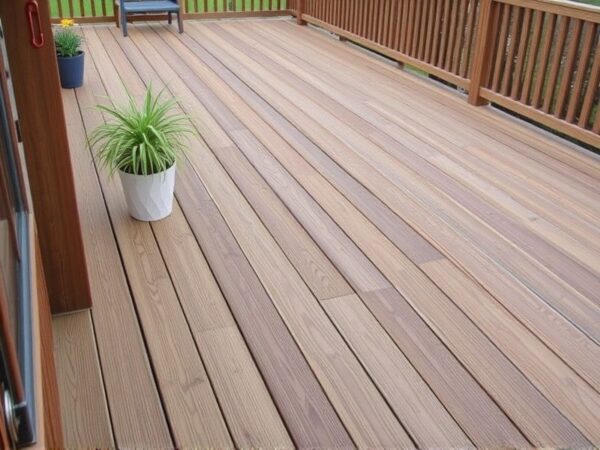
Why Wood Plastic Composite Decking is Vanuatu’s Best-Kept Secret
Surviving the Tropics Without Breaking a Sweat
Let’s face it – Vanuatu’s climate can be brutal on outdoor surfaces. Remember that neighbor who replaced their timber deck three times in five years? With WPC decking, you’ll finally get to stop counting hurricane seasons and start enjoying your veranda. The magic lies in its hybrid nature: imagine recycled plastic bottles teaming up with wood fibers to create a material that laughs at 90% humidity levels and shrugs off UV rays like a seasoned islander.
The Great Deck Showdown: WPC vs Traditional Timber
Picture this: It’s Saturday morning. Your cousin is pressure-washing his teak deck again, while you’re sipping kava watching frigatebirds. WPC needs about as much maintenance as a pet rock. No sanding, no staining – just an occasional hose-down. Over 5 years, you’d save enough maintenance hours to sail around Efate Island twice. Plus, those termites that turned Pierre’s deck into Swiss cheese? They’d starve trying to munch on this stuff.
Colors That Actually Last More Than a Season
We’ve all seen those faded “tropical sunset” decks that turned baby-poop brown. WPC’s color isn’t just skin-deep – the pigments run through the entire board. Whether you’re matching Port Vila’s colonial blues or going for a modern espresso tone, these hues stick around like good island gossip. Pro tip: The driftwood gray option hides footprints better than your dog hides chicken bones!
Installation Hacks for Breeze-Block Homes
Installing WPC decking here isn’t rocket science, but there are a few local tricks. Always leave gaps about the width of a vatu coin between boards – materials expand less than timber, but you still need breathing room. For concrete foundations, use rubberized clips to prevent that annoying click-clack sound during earthquakes. Seen those fancy hidden fastener systems? Save your money – stainless steel screws with color-matched caps work just fine in our salt air.
Texture Matters: Barefoot-Friendly Surfaces
Ever burned your feet on a midday deck? WPC’s surface options have your soles covered:
- Ribbed tropical – Like walking on coconut husks (minus the splinters)
- Brushed matte – Hides scuffs from those epic family barbecues
- Volcanic rock – Perfect for matching traditional nakamal designs
Warranty You’ll Actually Use
Most suppliers offer 25-year warranties – longer than the average island pickup truck! But read the fine print: Coastal coverage varies. The good ones cover salt corrosion on fixings, while bargain brands might consider rust “natural patina”. Pro tip: Snap photos during installation – it settles 90% of warranty claims faster than a custom chief settles land disputes.
Eco-Friendly? Let’s Do the Math
Using WPC in a typical 50m² deck saves enough trees to make 3 traditional outrigger canoes. Since it’s 60% recycled plastic, that’s about 18,000 water bottles kept from floating in our lagoons. Even better? When it eventually needs replacing (think your grandkids’ problem), the whole deck can be recycled into… wait for it… more decking!
When Traditional Wood Still Makes Sense
Don’t get me wrong – there’s still room for timber. If you’re restoring a heritage colonial villa or building a ceremonial nakamal, nothing beats authentic local hardwood. But for 90% of homes? WPC is like that reliable island friend – always there, never demanding, and won’t ghost you after two rainy seasons.
Maintenance: It’s Almost Too Easy
Here’s your entire maintenance calendar:
🌴 Monthly: Sweep off volcanic ash
🌊 Quarterly: Hose down (extra credit if you do it during rain showers)
🌺 Yearly: Check for any lifted boards (rare, but cyclone prep never hurts)
Stain removal? Coconut oil spills wipe off with cassava flour. Red dirt stains? A dash of lime juice works wonders!
The Hidden Cost Saver
While WPC costs about 20% more upfront than treated pine, consider this: No more buying expensive marine-grade sealants every six months. No replacing warped boards after every wet season. No emergency carpenter calls when visitors spot splinters. Over ten years, most homeowners save enough to buy a decent outboard motor – now that’s what I call a return on investment!


Reviews
There are no reviews yet.