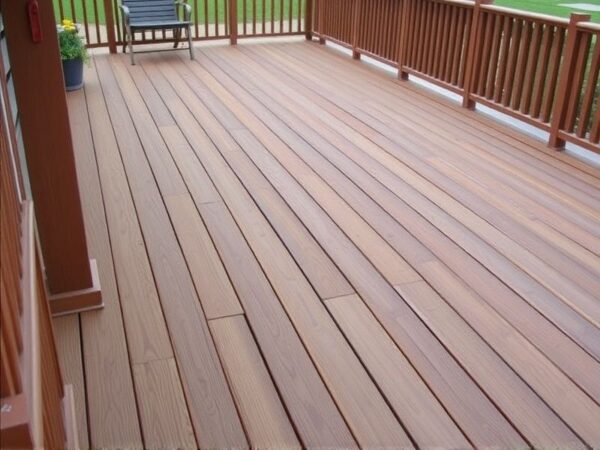
Why Wood Plastic Composite Decking is Taking Over American Backyards
Let’s talk about the quiet revolution happening in American homes and commercial spaces – wood plastic composite (WPC) decking is steadily replacing traditional wood and concrete surfaces. If you’re considering a deck renovation or new construction, you’ve probably stumbled upon this wonder material. But what makes it different from the creaky wooden decks we grew up with? Let’s break it down.
The Unbeatable Perks of WPC Decking
Remember helping your dad re-stain the old wooden deck every summer? With WPC, those days are gone. These modern boards combine wood fibers (usually recycled) with plastic polymers to create surfaces that laugh in the face of splinters, rot, and warp. They’re like the superhero version of decking materials – moisture-resistant enough for Seattle’s drizzle yet UV-stable under Arizona’s blazing sun.
Here’s the kicker: While traditional wood decks start showing their age within 5 years, most WPC products come with 25+ year warranties. I recently visited a coastal home in Florida where the WPC deck looked brand new after 8 years of salt air and hurricane seasons. Try that with pressure-treated lumber!
What’s Really in These Magic Boards?
The secret sauce varies by manufacturer, but generally you’re looking at 50-70% reclaimed wood dust mixed with HDPE or PVC plastics. Some brands are getting fancy with mineral-based stabilizers and UV inhibitors. The real game-changer? Capped composite technology – imagine a protective polymer shell that wraps around the board like armor. This innovation has nearly eliminated the fading and staining issues that plagued early composite decks.
Weathering America’s Climate Extremes
WPC’s performance across different regions is where it really shines. In Minnesota’s freeze-thaw cycles? No problem – the material’s flexibility prevents cracking. Dealing with Texas-sized hailstorms? The impact resistance outperforms traditional wood. I’ve seen decks in New England handle nor’easters better than concrete patios, thanks to their slip-resistant surfaces.
But here’s a pro tip: Lighter colors work better in southern states. A contractor friend in Phoenix swears by gray-toned boards that reflect heat, keeping bare feet comfortable even in 110°F summers.
Installation: Easier Than IKEA Furniture?
Most homeowners are shocked by how straightforward WPC installation can be. The hidden fastener systems create that sleek, seamless look everyone wants. Just make sure to follow the manufacturer’s spacing guidelines – these boards need room to breathe as temperatures change. One common mistake? Forgetting to check for proper drainage slope. I helped fix a “swimming pool deck” last year where water pooled because the installer ignored this crucial step.
What’s This Going to Cost Me?
Let’s cut to the chase: WPC decking typically runs 20-40% more upfront than pressure-treated wood. But when you factor in zero staining costs and minimal maintenance, most homeowners break even within 7-10 years. Commercial properties see even faster ROI – a Chicago hotel reported 30% lower annual maintenance costs after switching to WPC.
| Material | Upfront Cost (per sq.ft.) | 10-Year Maintenance Cost | Typical Lifespan |
|---|---|---|---|
| Pressure-Treated Wood | $5-8 | $12-15 | 10-15 years |
| Concrete | $10-15 | $5-8 | 25+ years |
| WPC Decking | $12-18 | $2-4 | 25-30 years |
Who’s Making the Good Stuff?
The market’s flooded with options, but a few leaders stand out. Trex remains the household name, but don’t sleep on newcomers like Fiberon’s clipless installation systems. For commercial projects, TimberTech’s heavy-duty lines are worth the investment. An interesting trend? Regional manufacturers are popping up to serve local markets – like a Texas-based company using recycled oilfield plastics in their composite blends.
Fire Ratings and Green Credentials
After recent wildfire scares, fire ratings became a hot topic (pun intended). Most quality WPC decks meet Class B fire ratings, comparable to pressure-treated wood. Environmentally-conscious buyers should look for GreenGuard Gold certification – it ensures low VOC emissions. A San Francisco community center achieved LEED credits using WPC made from 100% post-consumer waste.
Real World Wins
Let’s look at two success stories. A Colorado ski resort replaced their weathered wood decks with WPC featuring embedded traction strips – no more icy falls in ski boots. Closer to home, a Michigan couple turned their splinter-ridden lakefront deck into a low-maintenance entertainment space that survived three polar vortex winters unscathed.
What’s Next for WPC?
The industry isn’t resting on its laurels. Keep an eye on these developments:
- Color-lock technology that maintains hue intensity 2-3x longer than older products
- Hybrid cores combining multiple plastic types for enhanced durability
- Textured surfaces that mimic exotic hardwoods with startling realism
At the end of the day, WPC decking offers that sweet spot between natural beauty and modern practicality. Whether you’re building a cozy backyard retreat or a high-traffic commercial space, it’s worth considering this versatile material. Just remember – not all composites are created equal. Do your homework, check those warranties, and maybe you’ll never have to sand another deck again!
Reviews
There are no reviews yet.