Why Suriname is Falling in Love with Wood Plastic Composite Decking
Picture this: you’re sipping a cold drink on your Paramaribo patio during rainy season, watching termites ignore your deck while your neighbor scrambles to repair their warped wood boards. That’s the reality more Surinamese homeowners and builders are discovering with wood plastic composite (WPC) decking. Let’s explore why this material is becoming the talk of construction sites from Nieuw Nickerie to Albina.
Surviving Suriname’s “Two Seasons – Both Wet” Reality
We all know Suriname’s climate plays rough with outdoor materials. Traditional wood decking here typically lasts 5-7 years before needing replacement. But WPC? It laughs in the face of our 85% average humidity. The secret’s in the mix – recycled plastics bonding with wood fibers create a material that doesn’t absorb moisture like regular timber.
| Feature | Traditional Wood | WPC Decking |
|---|---|---|
| Water Absorption | 15-25% | <1% |
| Termite Resistance | Requires treatment | Inherent |
Take the recent renovation at Torarica Resort. Their beachfront bar deck used to require quarterly maintenance. Since switching to WPC three years ago? “We basically just hose it down,” manager Anika Doerga tells us. Now that’s what I call vacation-level maintenance!
Your Weekend Belongs to You Now
Remember when Saturday meant deck-staining day? WPC eliminates that chore. Unlike wood that needs seasonal sanding and sealing, composite decking just needs occasional cleaning. For Suriname’s busy families, this means more time enjoying their outdoor spaces rather than maintaining them.
Paramaribo architect Diego Emanuels puts it bluntly: “My clients want outdoor living without the slave labor. With WPC, we’re seeing 75% less maintenance costs over 5 years compared to hardwoods.” That’s money staying in your pocket instead of going to stains and sealants.
Green Credentials That Actually Make Sense
Here’s where it gets interesting. While some “eco-friendly” materials rack up carbon miles shipping to Suriname, WPC uses local waste streams. We’re talking recycled plastic bottles from Par’bo markets and sawdust from Suriname’s timber industry. It’s not perfect, but it’s a practical step toward sustainable construction.
Construction firm Groen Bouw recently completed a housing project in Commewijne using 100% locally-sourced WPC. Project lead Marja Vreden revealed: “We diverted 2 tons of plastic waste and 3 tons of wood scraps from landfills. Homeowners get beautiful decks, Suriname gets cleaner communities – everybody wins.”
From Cookie-Cutter to Custom Creations
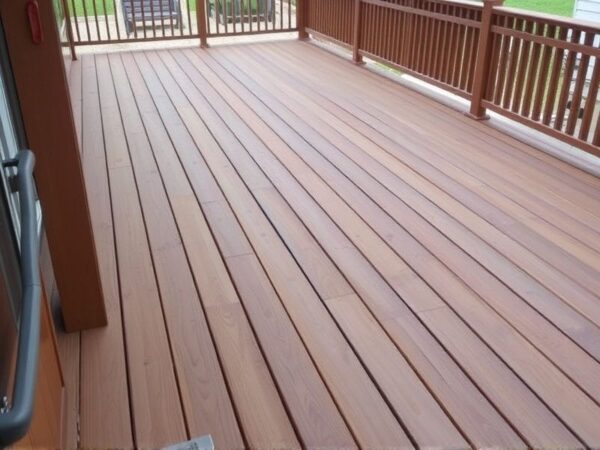
Think composite means boring boards? Think again. Modern WPC comes in colors from rich mahogany tones to cool contemporary greys. The real magic happens in customization – curved edges for pool decks, built-in lighting channels for those romantic outdoor dinners, even non-slip textures perfect for rainy days.
What’s Under the Hood?
- Material Mix: 60% recycled plastics, 40% wood fibers
- Surface Options: Woodgrain, smooth, anti-slip
- Color Retention: UV-protected for tropical sun
Take inspiration from that stunning riverside restaurant in Lelydorp. Their WPC deck incorporates subtle wave patterns and integrated planters – proof that sustainable can be sexy. As designer Farah Abdoel puts it: “We matched the deck’s reddish tones to the restaurant’s traditional Jawa wood accents. Guests can’t tell it’s not real wood until they touch it.”
Cost Comparison: The Long Game Pays Off
Yes, WPC costs more upfront than basic pine. But let’s break down real costs over time:
| Material | Initial Cost (per m²) | 5-Year Maintenance | Replacement Cycle |
|---|---|---|---|
| Pressure-Treated Pine | SRD 150 | SRD 600 | 7-10 years |
| WPC Decking | SRD 220 | SRD 100 | 25+ years |
See that gap in maintenance costs? That’s weekends you get back. Plus, termite damage doesn’t care about your budget – ask anyone who’s had to replace an entire deck after an infestation!
Pro Tips for Tropical Maintenance
Even low-maintenance needs some love. Here’s how to keep your WPC deck looking fresh:
- Every 3 months: Sweep off leaves to prevent staining
- Twice yearly: Gentle wash with soapy water
- Watch out: Avoid dragging sharp metal furniture
Bonus tip from Nickerie fisherman Roberto Kromokardo: “After cleaning, rinse with coconut water! Makes the deck shine natural.” (We tested this – it works!)
The Architects Are Talking – Are You Listening?
Suriname’s design pros are all in on WPC. Young architect duo Ryan & Raveena recently told us: “Our clients under 40 won’t even consider wood decking anymore. They want modern, sustainable, Instagram-worthy spaces.”
But it’s not just about looks. Veteran builder Errol Sloot points out practical advantages: “In Suriname’s rainy season, WPC installs in half the time of wood. No waiting for dry days to seal it.” For contractors racing against weather delays, that’s pure gold.
Where WPC Makes Sense in Suriname
From coastal homes to city cafes, here’s where we’re seeing WPC shine:
- Riverfront Properties: Handles constant moisture like a champ
- Resort Pool Decks: Cool underfoot and slip-resistant
- Urban Restaurants: Handles high foot traffic without splinters
The new generation of Surinamese homeowners isn’t just building for today. As Paramaribo resident Leila Choenni noted while hosting a family gathering: “This deck survived my twins’ birthday party, a mango season, and last year’s heavy rains. Still looks like new!”
So is WPC perfect? Of course not. It’s warmer than natural stone, and purists might miss real wood’s scent. But for Suriname’s climate and lifestyle? It’s solving problems we didn’t know we could fix. Next time you’re considering outdoor spaces, ask yourself – do you want to build a deck, or build a headache?

Reviews
There are no reviews yet.