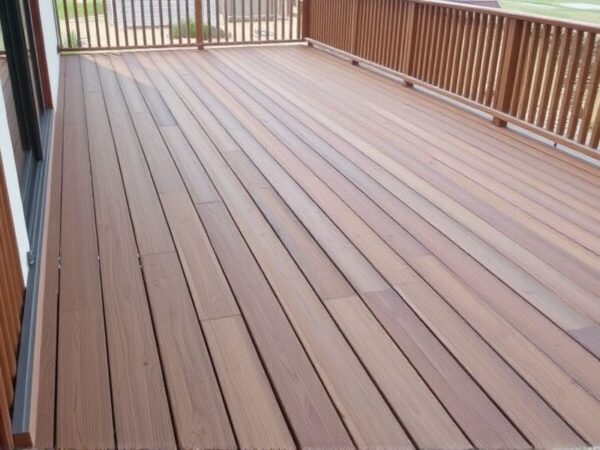
Wood Plastic Composite Decking in Senegal: Your Tropical Climate Solution
When Rainforest Meets Concrete Jungle
Let’s face it – Senegal’s tropical climate can be brutal on building materials. Between the relentless UV rays bleaching traditional wood decks and termites turning support beams into appetizers, maintenance becomes a full-time job. That’s where wood plastic composite (WPC) decking sneaks in like a superhero in construction boots. Imagine material that laughs at termites, shrugs off monsoon rains, and actually prevents deforestation? We’re talking real-world magic for Senegalese homes and urban projects.
Why Your Neighbor’s Deck Lasts Longer
Remember that new waterfront promenade in Dakar’s Almadies district? The one that survived last year’s record rainfall without warping? That’s WPC in action. These planks combine recycled plastics with wood fibers to create surfaces that:
- Block 98% of UV damage (goodbye, faded deck colors!)
- Deter termites better than concrete bunkers
- Handle temperature swings from 18°C to 45°C without cracking
Local contractor Mamadou Diop puts it bluntly: “Since switching to composite, I’ve stopped getting midnight calls about termite invasions.”
Dakar’s Skyline Secret Weapon
The magic isn’t just in homes. That chic rooftop bar overlooking Gorée Island? Composite decking. The new pedestrian bridge connecting Plateau to Medina? You guessed it. Here’s why urban planners are obsessed:
| Feature | Traditional Wood | WPC |
|---|---|---|
| Lifespan | 5-7 years | 25+ years |
| Annual Maintenance | 3-4 treatments | Just hose it down |
| Installation Time | 2 weeks | 3 days |
Architect Aminata Touré notes: “We’re specifying WPC for 80% of new coastal developments. The reduced maintenance costs alone justify the initial investment.”
Eco-Resorts Love This Stuff
Along the Petite Côte, eco-lodges face a dilemma: How to build sustainably without looking like a concrete bunker? Enter composite decking that mimics rare woods without the environmental guilt. Saly’s new Lagoon Retreat saved over 200 mature trees by using WPC for their boardwalks and pool decks. Bonus? No splinters for barefoot tourists!
Pricing That Makes Sense Here
“But does it cost like imported gold?” you ask. Surprisingly, no. Local manufacturers have cracked the code using Senegal’s abundant recycled plastics and agricultural waste. Current pricing runs about 15-20% higher than premium hardwoods, but when you factor in zero maintenance costs? Most homeowners break even within 3-4 years. Plus, government subsidies through the National Eco-Building Initiative can shave off another 10-15%.
Installation War Stories
Take the case of the Ngor Island community center. Their original teak deck required complete replacement every 5 years. After switching to WPC in 2020, they’ve saved enough on repairs to fund a children’s library. Pro tip: Always leave 5mm gaps between planks for thermal expansion – our humidity demands it!
Hardwood’s Last Stand?
While traditionalists still love their doussie and iroko woods, the numbers don’t lie. A typical hardwood deck needs oiling every 6 months, replacement every decade, and contributes to deforestation. WPC? Just occasional soapy water washes and a 30-year warranty. As timber prices keep climbing, composite becomes the smarter long game.
Your Maintenance-Free Future
Imagine weekends without sanding, staining, or termite treatments. That’s the reality for Thiès homeowner Fatou Ndiaye: “Three years in, my deck still looks new despite my kids’ soccer practices and rainy season parties.” Here’s what you’ll avoid:
- Annual resealing rituals
- Emergency pest control bills
- Replacement costs every few years
So, is WPC perfect? Well, it’s slightly heavier than wood – but hey, that just means your deck isn’t blowing away during Harmattan winds!
Government’s Green Light
Here’s the kicker: Senegal’s Ministry of Urban Development now mandates composite materials for all public waterfront projects. Private builders get tax breaks for using WPC in eco-certified projects. It’s not just about durability anymore – it’s national policy.
Making the Switch
If you’re renovating or building new, consider this: Most Dakar suppliers now offer free samples and installation guides. Ask about their recycled content percentages – local manufacturers average 60-70% post-consumer waste. Pro tip: Choose textured finishes for pool areas – they handle wet feet better than smooth surfaces.
At the end of the day, WPC decking in Senegal isn’t just another building material. It’s a practical response to climate challenges, a nod to sustainability, and frankly, a smart way to keep your weekends free from deck drama. Who knew plastic and sawdust could be this revolutionary?
Reviews
There are no reviews yet.