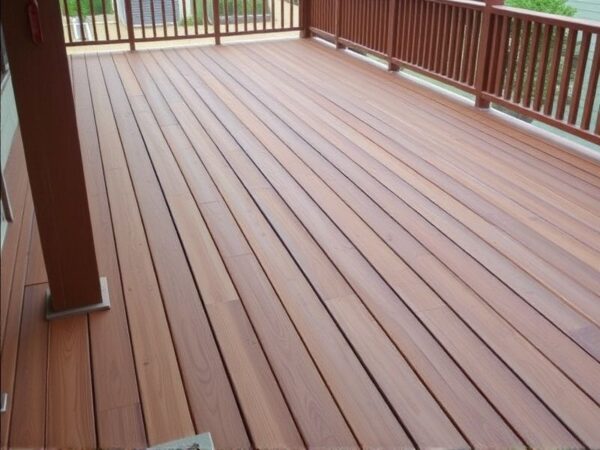
Why Philippine Builders Are Falling in Love With Wood Plastic Composite Decking
You know that satisfying creak of old wooden decks? Well, builders across the Philippines are trading that nostalgic sound for something better. Wood Plastic Composite (WPC) decking is taking over construction sites from Manila to Mindanao, and honestly? It’s not hard to see why. Let’s unpack what’s making this material the new darling of Filipino architects and homeowners alike.
The Tropical Climate Fighter
Let’s face it – our weather here’s like that one relative who always overstays their welcome. Between monsoon rains that last for weeks and UV rays that could fry an egg, traditional wood decks just can’t keep up. Enter WPC decking with its triple-threat protection:
Local contractor Miguel Santos from Cebu puts it best: “Last year we replaced 12 wooden decks after typhoon season. This year with WPC installations? Zero replacements. That speaks louder than any sales pitch.”
Where Your Peso Goes Further
Okay, let’s talk numbers – but don’t worry, I’ll keep it painless. Sure, the upfront cost might make you blink (WPC runs about 15-20% pricier than regular wood). But here’s the kicker: over 5 years, you’ll save roughly 30% on maintenance alone. No more annual sealing, staining, or replacing rotten planks.
Traditional Wood vs. WPC Over 5 Years
• Material Replacement: 3-4 times vs. Maybe once
• Maintenance Days: 20+ vs. 5-7
• Pest Control Costs: Regular vs. Almost none
And get this – some resorts in El Nido are actually leasing their old WPC decks to new hotels after 10 years of use. Talk about getting your money’s worth!
Eco-Friendly Without the Tree Hugging
Here’s something cool – Philippine EcoBuild Innovations (you might’ve seen their trucks around Metro Manila) uses recycled plastic sachets and sawdust from local furniture factories. Their mix is about 60% recycled content, diverting tons of waste from landfills every month.
But it’s not just about being green. The manufacturing process uses less water than traditional decking materials – crucial in areas prone to drought. And because it lasts longer, you’re not constantly cutting down new trees.
Shape-Shifting Superstar
Remember when composite meant that fake wood look from the 90s? Those days are gone. Modern WPC comes in:
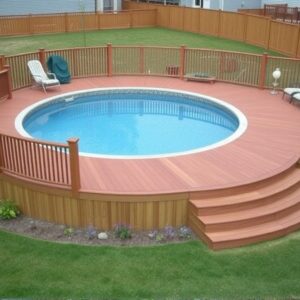
The real magic? You can curve it. I recently saw a stunning circular deck at a Panglao Island resort that would’ve cost triple in traditional materials. No warping, no complex joinery – just smooth, sweeping lines.
Installing Like a Rainy Season Pro
Thinking of installing during monsoon months? Smart move – contractors are less busy. Here’s how to do it right:
3 Monsoon Must-Dos:
1. Slope It Right: Aim for 1/4″ drop per foot – enough for drainage but not enough to notice
2. Breathing Room: Leave 5-6mm gaps between boards. They’ll expand less than wood but still need space
3. Rust-Proof Fasteners: Spend extra on stainless steel clips. Trust me, regular screws will betray you by December
Pro tip from Bohol installer Lorna Cruz: “Lay boards parallel to the prevailing wind direction. Makes water runoff faster and keeps the deck looking cleaner.”
When Resorts Put It to the Test
Let’s talk about the real MVPs – Palawan’s beach resorts. Salt spray, endless foot traffic, and 24/7 sun make these places the ultimate testing grounds.
Nacpan Beach Hideaway
• 2018: Installed 800sqm of WPC
• Survived 3 typhoons and daily saltwater washings
• 2023: Only replaced 12 boards (mostly due to furniture damage)
• Maintenance savings paid for their new beach bar
Or take Coron’s floating restaurants – their WPC decks handle constant wave action without splitting. Traditional wood would’ve needed replacement every 18 months.
Where to Get the Good Stuff
While imported options exist, local manufacturers like Philippine EcoBuild Innovations are stepping up. Their “TropicalPlus” line uses additives specifically for our climate:
- Extra UV stabilizers for intense sun
- Anti-mold additives for humid areas
- Textured finish to prevent slippery surfaces
Prices range from ₱1,800-₱2,500 per sqm installed, depending on profile and finish. They even offer color-matching for existing structures.
Is WPC Right for You?
Let’s be real – if you’re after that century-old heritage wood look, traditional decks still win. But for 90% of Filipino homes and businesses? WPC is a no-brainer. The combination of low maintenance, durability, and design flexibility makes it perfect for our climate and lifestyle.
As one Davao homeowner told me: “I used to spend weekends maintaining our deck. Now I actually get to enjoy it!” Isn’t that what outdoor living should be about?

Reviews
There are no reviews yet.