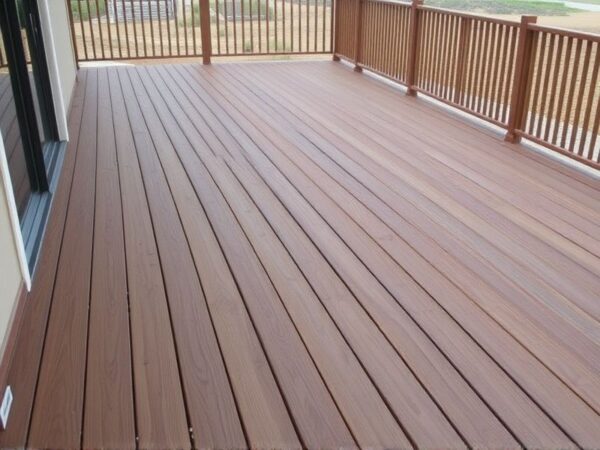
Why Namibia is Choosing Wood Plastic Composite Decking for Its Harsh Climate
Beating the African Sun with Smart Materials
Let’s face it – Namibia’s sun doesn’t play nice. In Windhoek’s suburban neighborhoods where temperatures regularly kiss the 40°C mark, traditional decking materials crack and fade faster than you can say “UV protection”. That’s where wood plastic composite (WPC) decking steps in as the local hero. The secret sauce? A special UV-resistant coating that acts like sunscreen for your deck. Most WPC products here reflect over 90% of harmful rays, keeping surfaces up to 20°C cooler than traditional wood under the midday sun.
Termites and Dry Rot? Not in This Desert
Remember that lovely teak deck in Swakopmund that turned into termite buffet last year? WPC decking laughs in the face of such disasters. The plastic-wood blend creates a material that’s about as appetizing to pests as concrete. For desert regions like the Namib where wood-eating insects thrive in arid conditions, this resistance is pure gold. Maintenance crews at coastal resorts report replacing 80% fewer deck boards since switching to composite materials.
When Your Deck Needs to Breathe
Here’s something most homeowners don’t consider until it’s too late: thermal expansion. Namibia’s 30°C daily temperature swings can make traditional decking materials warp like a rollercoaster. WPC’s secret weapon is its flexible composition. The material expands and contracts evenly – we’re talking gaps less than 1mm between boards during those wild temperature changes. Local installers joke that if WPC decking were a person, it would handle Namibia’s climate better than most tourists!
Putting Local Materials to the Test
Let’s stack WPC against the usual suspects:
Teak: Beautiful but thirsty – requires annual sealing that’s tough in water-scarce regions
PVC: Slippery when wet (bad news for coastal morning dew)
Concrete: Great for patios, but who wants cold feet at sunset braais?
The new WPC installations along the Swakopmund promenade tell the story best – zero splinters for barefoot beachgoers and no warped boards after three harsh summers.
Green Credentials That Actually Make Sense
Here’s where WPC decking really sings Namibia’s tune. The typical local product contains 60% recycled materials – think agricultural waste from northern maize farms and recycled plastic bottles. Compared to importing tropical hardwoods, the carbon footprint drops faster than temperatures at sunset. It’s not perfect, but for communities aiming to meet National Development Plan sustainability targets, it’s a practical step forward.
Real Life, Real Namibia
Take the Klein Windhoek Hills development – 150 WPC decks installed in 2021 now weathering their third dry season. Maintenance reports show just 3% needed minor cleaning compared to 40% replacement rate for traditional materials. Or check the new oyster bar at Walvis Bay – salt spray that would eat through regular wood in months barely leaves a mark on the composite surface.
What You Actually Need to Know
Here’s the brass tacks for local homeowners:
– Semi-annual rinse with garden hose (no fancy chemicals needed)
– Fire rating meets strict Namibian coastal zone requirements
– 15-year warranty becoming standard across suppliers
– Costs about 20% more upfront than mid-grade wood, but saves triple in long-term maintenance
The Bottom Line for Namibian Homes
Is WPC decking magic? No. But in a country where the environment fights building materials daily, it’s the closest thing we’ve got to a climate-proof solution. From Etosha-area lodges to Lüderitz guesthouses, the proof is in the pudding – decks that survive our extremes while keeping maintenance simple. Next time you’re sipping sundowners on a friend’s pristine composite deck, ask them how many times they’ve replaced boards. The answer might just surprise you!
Reviews
There are no reviews yet.