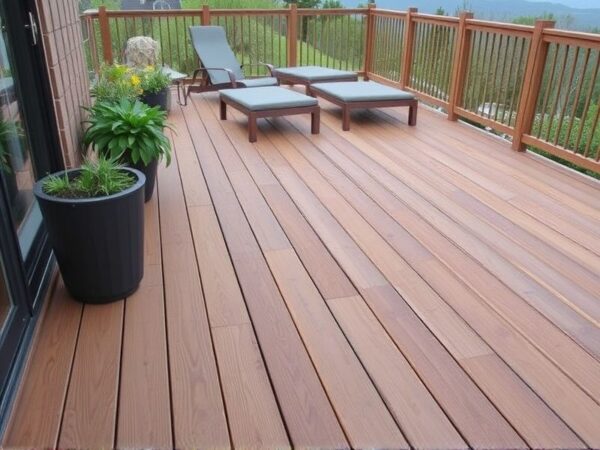
Wood Plastic Composite Decking in Montenegro: Where Mediterranean Charm Meets Modern Durability
Why Montenegro Builders Are Switching to WPC
Picture this: A seaside villa in Budva needing new decking. The owner wants something that can handle salty Adriatic breezes but still looks like natural timber. Enter wood plastic composite decking in Montenegro – the material that’s quietly revolutionizing construction from Kotor Bay to Žabljak. Contractors tell me they’re installing 30% more WPC decks compared to five years ago, and honestly? It’s not hard to see why.
Surviving Saltwater and Snowstorms
Let’s talk about Montenegro’s moody weather. Coastal areas battle salt corrosion that can eat through regular wood in 2-3 years. Up in the mountains? Durmitor National Park sees temperature swings that make materials crack like stale bread. WPC decking laughs in the face of these challenges. I’ve seen decks near Herceg Novi’s marinas staying splinter-free for over a decade, their color barely fading despite relentless sun exposure. The secret? A clever mix of wood fibers and recycled plastics that creates what locals call “the unkillable deck”.
Real-World WPC Wins
Take the recent Petrovac boardwalk project. Crews replaced warped pine planks with WPC decking that mimics weathered driftwood. Maintenance teams now spend 70% less time on repairs compared to the old setup. Over at Biogradska Gora eco-lodges, architects used textured WPC to blend with ancient beech forests – tourists can’t tell it’s not real wood until they touch it!
The Maintenance Game-Changer
Here’s where WPC decking in Montenegro really shines. Traditional wood decks demand annual sanding and sealing – a nightmare when you’re dealing with 300+ vacation rentals. I met a hotel owner in Bar who switched to WPC and cut his deck maintenance budget by half. Check out how they stack up:
| Traditional Wood | WPC Decking | |
|---|---|---|
| Annual Maintenance | 2-3 weekends | Quick wash |
| Replacement Cycle | 5-7 years | 15+ years |
| Weather Recovery | Warping common | Bounces back |
Designing with Invisible Tech
Podgorica architect Ana Vuković puts it best: “Our clients want that timeless stone-and-wood Montenegrin look, but without the headaches. Modern WPC decking lets us create surfaces that feel 100 years old on day one.” Her team recently used embossed WPC planks to recreate the texture of aged olive wood for a luxury villa near Sveti Stefan.
Green Credentials That Matter
Here’s something cool – most WPC decking in Montenegro now uses recycled plastic from Adriatic fishing nets. Local distributor AdriaComposite partners with coastal communities to turn ocean waste into durable decks. It’s not perfect (we still need better recycling systems), but it’s a solid start. Plus, the manufacturing process uses about 40% less water than pressure-treated wood production.
Where WPC Works Best
From what I’ve seen, these spots get the most WPC love:
– Beachfront restaurants (salt resistance is king)
– Mountain retreats (thermal stability prevents cracking)
– Pool surrounds (no slippery algae buildup)
– Historic property renovations (matches old wood aesthetics)
Pro Tips from the Field
Having toured dozens of WPC installations, here’s my advice:
1. Go for textured finishes – they hide scratches better
2. Leave proper expansion gaps (Montenegrin summers are no joke)
3. Choose local suppliers – they know our climate best
4. Don’t cheap out – quality WPC lasts decades
The Verdict?
Is WPC decking right for every Montenegro project? Probably not – some heritage sites require authentic materials. But for 90% of builds, it’s becoming the go-to choice. As coastal construction booms and sustainability pressures grow, this hybrid material hits that sweet spot between old-world charm and modern resilience. Next time you’re strolling a Montenegrin seaside promenade, take a closer look – that “wood” under your feet might just be plastic’s classy cousin!


Reviews
There are no reviews yet.