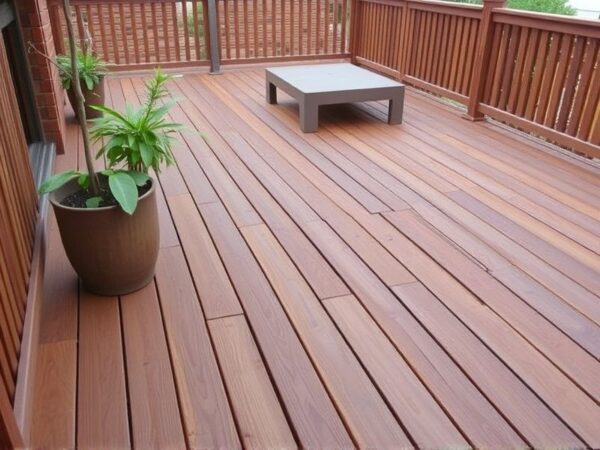
Wood Plastic Composite Decking in Kenya: Durable & Eco-Friendly Outdoor Solutions
Why Kenya’s Builders Are Going Crazy for WPC Decking
Picture this: You’re sipping chai on a Nairobi patio that’s survived three rainy seasons without warping. The secret? More contractors across Kenya are swapping traditional timber for wood plastic composite (WPC) decking – and there’s good reason. From Mombasa’s salty coastal air to Nairobi’s unpredictable weather patterns, this hybrid material is turning heads in construction circles. But what’s fueling this shift? Let’s peel back the layers.
I recently chatted with a Nakuru-based architect who put it bluntly: “We’re tired of replacing termite-ridden decks every 2 years.” His firm now specifies WPC for 80% of their outdoor projects. That story’s repeating itself from Kisumu to Kiambu as Kenya’s building sector wakes up to smarter material choices.
The Triple Threat: Termites, Weather & Eco-Credentials
Here’s where WPC decking in Kenya really shines. Traditional hardwoods might look tough, but they crumble faster than a poorly made mandazi when faced with our climate realities. WPC brings three knockout punches:
- Termite Armor: Unlike regular wood that attracts destructive insects like a matatu attracts passengers, WPC’s plastic content makes it as appetizing to termites as a stone plate.
- Weather Warrior: Tested in everything from Malindi’s coastal humidity to Laikipia’s dry heat, quality WPC maintains its shape better than your favorite pair of safari shorts.
- Green Street Cred: Made from recycled plastics and wood fibers, it’s like upcycling meets practical design – perfect for eco-conscious Kenyans.
Fun fact: A Karen homeowner reported her WPC deck looked untouched after last year’s heavy El Niño rains, while her neighbor’s timber deck needed complete replacement. That’s the kind of real-world performance that’s driving adoption.
Installation Wins Your Fundi Will Love
Let’s talk about what really matters on the ground. Traditional hardwood decking requires:
| Task | Hardwood | WPC |
|---|---|---|
| Seasoning Time | 2-4 weeks | None |
| Annual Maintenance | Sanding & Oiling | Hose Down |
| Warp Risk | High | Low |
As James, a fundi from Thika, told me: “With WPC, we can complete decks in half the time. No waiting for wood to dry, no special treatments – just measure, cut, and install.” That time saving translates directly to cost savings for homeowners.
Cost Comparison That Might Surprise You
Let’s address the elephant in the room – upfront costs. Yes, WPC decking in Kenya carries a higher initial price tag than some local hardwoods. But when you factor in:
- 5-7 year lifespan extension vs untreated timber
- Eliminated annual maintenance costs
- Reduced replacement frequency
The math starts looking different. A Ruaka-based hotel owner shared that switching to WPC cut their 10-year decking costs by nearly 40%. For residential projects, many find the break-even point comes within 3-4 years.
Local Heroes: Kenyan Suppliers Stepping Up
Gone are the days of relying solely on imports. Nairobi-based manufacturers like GreenBuild Solutions now offer WPC tailored to our climate. Their UV-stabilized formula handles intense equatorial sun better than European imports. Coastal suppliers in Mombasa have developed salt-resistant variants – crucial for beachfront properties.
Pro tip: Ask suppliers about their “Kenya blend” formulations. Many now incorporate higher UV inhibitors and moisture barriers specifically for our conditions.
Government Green Light for Sustainable Materials
Here’s some sweet news – the Kenyan government is pushing sustainable construction through:
- Tax breaks for LEED-certified projects
- Fast-tracked approvals for green buildings
- Subsidies on eco-material imports
A recent Karen office complex using WPC decking qualified for 15% tax rebate under NEMA’s green building initiative. That’s real money back in developers’ pockets!
Real Kenyan Success Stories
Mombasa Marine Resort: After replacing their termite-ravaged timber decks with WPC, maintenance costs dropped 60%. The general manager joked: “Now we only worry about guest satisfaction, not deck replacement schedules.”
Nairobi Urban Mall: Their rooftop terrace featuring locally-made WPC became an Instagram hotspot. The architect noted: “We achieved the upscale wood look without the environmental guilt.”
Your WPC Cheat Sheet
Before you jump in, remember:
- Choose thicknesses between 25-35mm for residential use
- Opt for grooved boards in high-traffic areas
- Stick to reputable Kenyan suppliers with 10+ year warranties
One last thing – while WPC is low-maintenance, a yearly clean with mild soap keeps it looking fresh. Avoid harsh chemicals that could damage the composite surface.
So there you have it – whether you’re building a cozy backyard nyumba or a swanky coast hotel, WPC decking in Kenya offers solutions as versatile as our famous Kenyan landscapes. Why not give your next project the upgrade it deserves?

Reviews
There are no reviews yet.