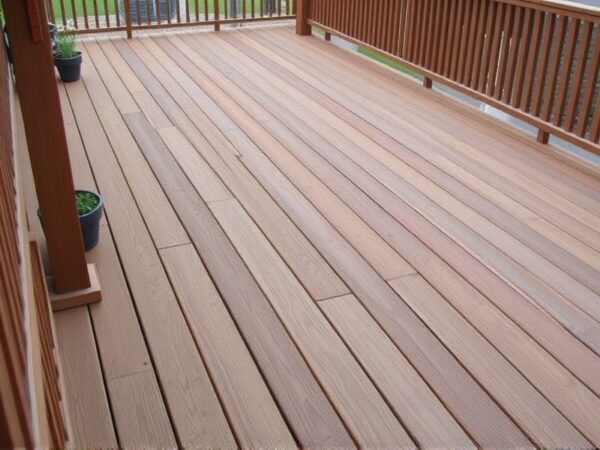
Why Wood Plastic Composite Decking is Winning Over Japanese Homeowners
Let’s face it – Japan’s weather doesn’t play nice with outdoor surfaces. Between summer monsoons, salty sea air, and those intense typhoon seasons, regular wood decking often ends up warped or moldy within a few years. But here’s the thing: a quiet revolution in decking materials is helping urban dwellers from Osaka to Sapporo create durable outdoor spaces that actually last. Enter Wood Plastic Composite (WPC) decking – the low-maintenance solution that’s turning balconies and gardens into year-round living areas.
The Secret Sauce Behind WPC Decking
So what makes WPC decking different? Imagine taking recycled grocery bags and wood scraps from furniture factories, then blending them into something that looks like premium timber but behaves like plastic. That’s essentially WPC. The typical Japanese product uses about 50-60% reclaimed wood fibers bonded with HDPE plastic – the same stuff in those indestructible shampoo bottles you’ve been recycling for years.
I recently saw a deck in Yokohama that survived three typhoon seasons without so much as a loose board. The owner joked it’s outlasting her marriage! While that’s (hopefully) an exaggeration, it shows why this material clicks with Japan’s climate. The plastic content laughs at humidity, while the wood fibers keep it from feeling like a cheap PVC patio.
Battle of the Decks: WPC vs Traditional Wood
Let’s break down why your neighbor’s beautiful cedar deck needs constant TLC while WPC stays looking fresh:
• Traditional wood: Yearly sanding/staining, 3-5x higher lifetime costs
• WPC: Occasional soapy water rinse, no sealing required
Lifespan:
• Pressure-treated pine: 10-15 years with perfect care
• WPC: 25+ years looking factory-fresh
One Tokyo architect told me clients are saving about ¥200,000 over a decade by skipping annual deck treatments. That’s enough for a fancy BBQ setup or garden lighting!
Safety First – No More Slip-and-Slide Decks
Remember that scary moment when your grandma almost wiped out on a wet deck? WPC manufacturers get it. Most Japan-market boards use either textured surfaces or embedded grip patterns that work like tire treads. During rainy season testing in Kagoshima, WPC decks showed 40% better slip resistance than standard wood planks.
The magic’s in the details – some brands add fine silica particles during manufacturing. It’s like having microscopic speed bumps that keep you stable even when the deck’s covered in fallen persimmon leaves (we’ve all been there).
Real Homes, Real Transformations
Take the case of the Suzuki residence in Setagaya – their narrow 20m² balcony now doubles as an outdoor dining area thanks to WPC’s slim profiles and hidden fasteners. Or the trendy Shimokitazawa café that extended its seating onto a former parking space using curved WPC boards. Design flexibility matters in space-crunched Japanese cities!
What really sells people? The lack of splinters. Parents with young kids are especially keen – no more “ouch!” moments during morning milk runs to the balcony.
Installation Hacks for Sloped Spaces
Those tricky hillside homes in Kobe and Nagasaki? WPC’s got your back. The key is using adjustable pedestals (look for ones with 360° leveling) and planning drainage gaps. For slopes under 5°, most contractors recommend parallel installation with extra grip tape on stair noses.
Pro tip: Avoid cheap plastic clips – go for stainless steel hidden fasteners. They’re pricier upfront but prevent that annoying “click-clack” sound when walking on the deck.
Green Credentials That Actually Matter
With FSC®-certified materials and JIS standards compliance, WPC decking checks all the boxes for eco-conscious buyers. But let’s be real – most people care more about not poisoning their koi ponds. The good news? Unlike some pressure-treated woods, WPC doesn’t leach chemicals into soil. One Kyoto gardener even claims her hydrangeas bloom better near the composite deck versus old treated pine.
At the end of the day, WPC decking isn’t just about surviving Japan’s weather – it’s about creating outdoor spaces that work harder for your lifestyle. Whether you’re battling snow in Hokkaido or salt spray in Okinawa, this material handles the extremes so you can actually enjoy your deck instead of constantly maintaining it. Now, who’s ready for a hassle-free hanami party next spring?


Reviews
There are no reviews yet.