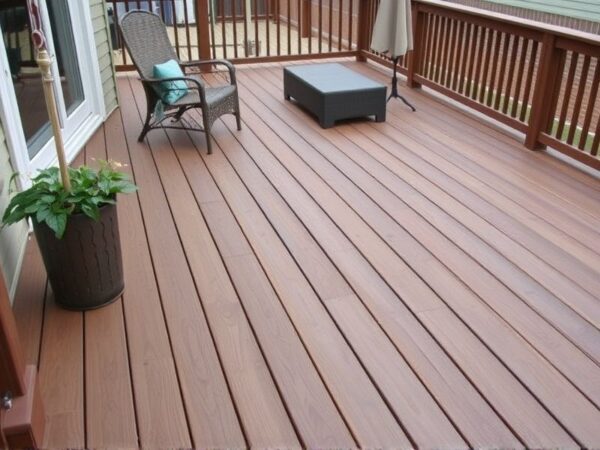
Why Georgia Homeowners Are Switching to Wood Plastic Composite Decking
Georgia’s Decking Dilemma: Humidity, Heat & Hurricane Season
Let’s face it – building a deck in Georgia isn’t for the faint of heart. Between Savannah’s swamp-like humidity that makes wood swell like overripe peaches, Atlanta’s relentless sunshine bleaching color from traditional decks, and coastal areas where mold grows faster than kudzu… you need a superhero material. Enter wood plastic composite (WPC) decking – the secret weapon Georgia homeowners wish they’d discovered sooner.
The Moisture War: WPC vs Savannah’s Damp Embrace
Picture this: Your neighbor’s pressure-treated pine deck near Tybee Island developed soft spots after just two rainy seasons. Meanwhile, your WPC deck stays as stable as a Southern grandmother’s biscuit recipe. How? These hybrid boards blend recycled plastics with wood fibers, creating a moisture-resistant surface that laughs at 80% humidity levels. Unlike traditional wood that absorbs up to a quart of water per square foot during rainy months, WPC’s closed-cell structure keeps your deck from turning into a sponge.
Sun Protection That Doesn’t Quit (Even in Peachtree City)
Atlanta’s famous for two things: traffic and UV index ratings that’d make a vampire nervous. Traditional wood decks here often fade to a sad gray within 18 months – I’ve seen it happen to three houses on my street alone. WPC decks come armed with UV inhibitors that maintain their color through 90°F summers. Pro tip: The textured surface stays cooler underfoot than PVC alternatives – crucial when you’re grilling barefoot in July!
Mold Resistance That Coastal Owners Swear By
Chat with any St. Marys homeowner about deck maintenance, and they’ll mention the constant battle against green fuzz. Pressure-treated wood requires annual bleaching just to stay presentable. But WPC’s synthetic components create an inhospitable environment for mold – no toxic chemicals needed. Augusta resident Martha T. told us: “After Hurricane Matthew flooded my backyard, the composite deck dried out looking brand new. My old cypress deck would’ve been a science experiment!”
Cost Showdown: Upfront Price vs Lifetime Savings
Let’s talk turkey. Yes, WPC decking costs about 30% more initially than pressure-treated pine. But factor in:
- Zero annual staining/sealing ($200+/year saved)
- No splinter repairs (those ER bills add up!)
- Double the lifespan (15-25 years vs 8-12 for pine)
Columbus homeowner Jamal R. crunched the numbers: “Over 10 years, my composite deck actually cost $1,200 less than maintaining wood would’ve. Plus, I gained 50+ weekends not spent sanding!”
Installation Tricks for Georgia’s Tricky Terrain
Georgia’s famous red clay isn’t just for pottery – it’s a deck installer’s nightmare. Here’s what veteran builders recommend:
- Use concrete piers extending 6″ above clay soil to prevent shifting
- Space joists 12″ apart (WPC’s rigidity allows wider spans than wood)
- Leave 1/8″ gaps between boards – they expand less than wood but still need breathing room
Macon contractor Billy W. notes: “We’re using 20% fewer support posts with composite compared to pine decks. That clay doesn’t stand a chance!”
Georgia’s Building Codes Made Simple
While WPC meets all Georgia building standards, watch for these local quirks:
- Coastal counties require hurricane ties for any elevated deck
- Fulton County mandates fire-resistant materials within 5′ of grills
- Most municipalities require 36″ railings for decks over 30″ high
Athens deck installer Elena G. advises: “Always check if your HOA has color restrictions – some communities still require ‘natural wood tones’ that modern composites nail perfectly.”
Seasonal Care That’s Easier Than Sweet Tea
WPC maintenance in Georgia’s climate boils down to:
- Spring: Hose down pollen (no scrubbing needed!)
- Summer: Wipe up BBQ sauce spills before they bake on
- Fall: Sweep leaves to prevent tannin stains
- Winter: Use plastic shovels – metal edges can scratch
Duluth resident Carla B. laughs: “I spend less time cleaning my deck than I do defrosting my AC unit each summer!”
Georgia-Grown Green Credentials
Local manufacturers like Savannah Composites use 80% recycled materials, including:
- Recycled milk jugs from Atlanta schools
- Pecan shell fibers from South Georgia orchards
- Reclaimed pallet wood from Augusta warehouses
Plus, they’re certified by Georgia’s Clean Air Campaign and qualify for Atlanta’s Green Building Tax Credit. As Decatur environmentalist Ray K. puts it: “My deck literally contains remnants of my childhood LEGO collection – how cool is that?”
Real Georgia Stories: WPC Wins Hearts & Backyards
Let’s hear from those who’ve made the switch:
“Our Alpharetta pool deck used to get so hot we needed flip-flops. The composite stays comfortable even at noon – total game-changer!” – The Patel Family
“After that ice storm in 2022, every wood deck in the neighborhood warped. Ours? Looked pristine.” – Jim & Lisa, Warner Robins
“Best part? No more worrying about our labrador’s claws scratching the surface!” – Tina, Valdosta
Is WPC Right for Your Georgia Home?
While composites work for 90% of Georgia homes, consider traditional wood if:
- You love annual maintenance projects (hey, no judgment!)
- Your deck will be completely shaded 24/7
- You’re using specialty woods like sustainably harvested cypress
For everyone else? WPC offers a worry-free solution that handles Georgia’s mood swings better than a Braves fan during playoff season. As Atlanta designer Lila M. says: “It’s not just decking – it’s a lifestyle upgrade for Southern living.”


Reviews
There are no reviews yet.