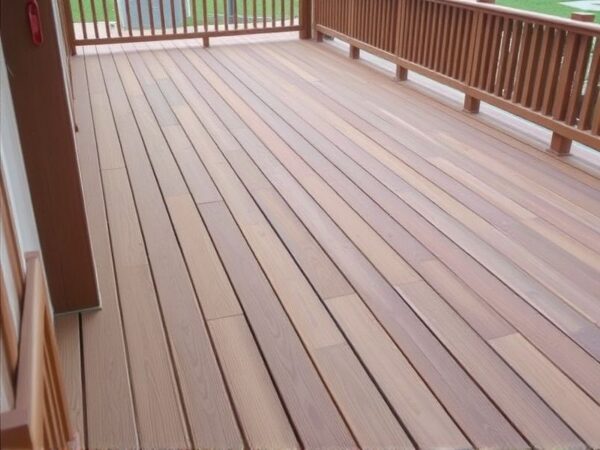
Why China’s Builders Are Going Crazy for Wood Plastic Composite Decking
The Quiet Revolution in Outdoor Spaces
Walk through any newly developed residential area in Shanghai or Guangzhou these days, and you’ll notice something different about those sleek-looking decks surrounding swimming pools and lining rooftop gardens. What looks like premium tropical hardwood at first glance is actually China’s latest construction darling – Wood Plastic Composite (WPC) decking. This hybrid material has been quietly capturing over 30% of the outdoor flooring market in coastal cities, and here’s why it’s becoming the go-to choice for both homeowners and commercial developers.
Plastic Meets Sawdust – The Ultimate Green Team-Up
Let’s break down what makes WPC decking special. Imagine taking all those plastic grocery bags you feel guilty about tossing and mixing them with wood scraps from furniture factories. That’s essentially the magic formula – about 60% recycled materials on average. Major manufacturers like Anhui Guoleen have perfected recipes using everything from rice husks to discarded PVC pipes.
Pro Tip: Look for boards containing 50-70% wood fiber – this sweet spot gives optimal durability without sacrificing that natural wood feel underfoot.
No More Deck Drama
Remember helping your dad scrape and re-stain the family deck every summer? Those days are gone. WPC’s resistance to moisture means no more warped boards after rainy seasons. Termites? They take one sniff of that plastic content and head for the hills. Maintenance boils down to an occasional hose-down – perfect for time-strapped urbanites.
Head-to-Head: WPC vs. Traditional Timber
| WPC Decking | |
|---|---|
| Yearly Maintenance | Quick wash |
| Lifespan | 15-25 years |
| Installation Time | 30% faster |
Where You’ll Spot WPC in Action
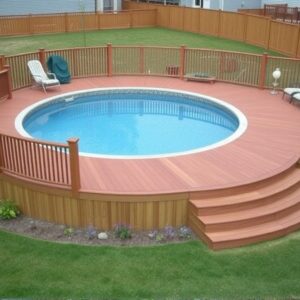
From luxury villas in Hainan’s resort communities to the boardwalks at Hangzhou’s West Lake, WPC’s versatility shines. I recently visited a Nanjing development where they used color-infused composite boards to create nautical-themed patterns around swimming pools – something that would’ve been cost-prohibitive with natural wood.
The Hidden Cost Savings
While initial costs run about 20% higher than pressure-treated pine, the real savings kick in over time. No more annual sealing treatments. No replacement costs from rot. One hotel chain reported recouping their initial investment within four years through reduced maintenance expenses.
China’s WPC Powerhouses
Domestic manufacturers aren’t just meeting local demand – they’re exporting to over 50 countries. Companies like Kingfa and Zhejiang Seven Trust have become global players by offering everything from basic boards to custom-molded railings. Their secret? Continuous R&D in surface textures that mimic everything from weathered teak to smooth bamboo.
Did You Know? Some premium lines now incorporate UV-resistant coatings that maintain color vibrancy for up to a decade – perfect for sun-drenched southern provinces.
Keeping Your Deck Looking Fresh
While WPC is low-maintenance, a little care goes a long way. My neighbor learned the hard way that dragging metal patio furniture across the boards can leave scratches. Simple solutions: Use felt pads under chair legs and sweep regularly to prevent abrasive dirt buildup. For stubborn stains, a mix of mild soap and warm water works wonders.
The Sustainability Factor
Beyond using recycled materials, leading Chinese manufacturers are pushing for closed-loop production systems. Look for certifications like FSC Chain of Custody – it ensures the wood fibers come from responsibly managed sources. Several coastal cities now offer tax incentives for construction projects using certified sustainable materials.
What’s Next for WPC?
The industry isn’t resting on its laurels. Recent trade shows revealed exciting developments: • Integrated lighting systems within deck boards • Antibacterial formulations for healthcare facilities • Sound-dampening profiles for rooftop decks As urbanization continues and environmental regulations tighten, WPC decking seems poised to become the new normal in Chinese construction – one durable, low-maintenance board at a time.

Reviews
There are no reviews yet.