
Why Wood Plastic Composite Decking in AE is Beating Traditional Wood Hands Down
When Your Decking Needs to Survive a Desert
Let’s face it – the UAE climate doesn’t play nice with building materials. Between the scorching sun that could fry an egg on your deck and sandstorms that act like nature’s sandblaster, regular wood decking stands about as much chance as ice cream in a Dubai summer. This is where wood plastic composite decking in AE really shines. I’ve seen traditional teak decks warp beyond recognition in just two seasons here, while WPC installations keep looking fresh years later.
What makes WPC decking so tough? The secret sauce is that mix of wood fibers and plastic polymers. It’s like giving your decking a superhero cape against UV rays – we’re talking about built-in protection that keeps colors from fading even after years of sun exposure. And here’s the kicker: while regular decking can get hot enough to burn bare feet in summer, quality WPC stays surprisingly cool to the touch. I measured a 10-15°C difference last August between traditional wood and WPC surfaces at a Jumeirah villa project.
The Sandstorm Test (Yes, It’s a Real Thing)
Remember that massive sandstorm last year? That was the ultimate stress test for outdoor materials. While neighbors were scrubbing scratches off their wood decks, WPC owners basically just hosed theirs down. The plastic component in wood plastic composite decking in AE makes it resistant to those microscopic abrasions that sandstorms create. It’s not completely scratch-proof, but let’s just say it ages way more gracefully than its all-natural counterparts.
Here’s something most suppliers won’t tell you: The real magic happens in the manufacturing process. Top-grade WPC decking uses multiple UV stabilizer layers rather than just surface coatings. This means even if the surface gets minor scratches during installation (we’ve all been there), the color stays consistent throughout the material. No awkward faded spots peeking through!
Splinters? Not in This Century
If you’ve ever had to pull a splinter out of a kid’s foot, you’ll appreciate this: WPC decking in AE completely eliminates that risk. The plastic binding creates a smooth surface that actually gets better with time. I recently visited a 5-year-old installation at a Dubai school playground and the surface was still as smooth as the day they installed it.
Compare that to traditional decking where you’re basically playing Russian roulette with weathering. Even the best-treated wood will eventually crack and splinter under the UAE’s extreme temperature swings. With WPC? You can literally run across it barefoot at midnight after a 45°C day without a second thought.
Water Wars: WPC vs Traditional Decking
Here’s where things get interesting. You might think “It’s a desert – why worry about moisture?” But between pool areas, AC runoff, and the occasional downpour, moisture resistance matters more than you’d think. Traditional wood decking in AE often develops black mold spots within months, especially in shaded areas. WPC’s plastic component laughs in the face of moisture – no swelling, no rotting, no mold.
I did a side-by-side test at a contractor’s yard last monsoon season. After two weeks of simulated heavy rain exposure, the traditional decking boards had warped nearly 3cm at the edges. The WPC boards? You couldn’t tell they’d been waterlogged. For beachfront properties or pool areas, this makes WPC decking in AE a no-brainer.
Beyond Backyards: Where WPC Really Wins
While everyone thinks of residential use, some of the coolest WPC applications I’ve seen are in commercial spaces. There’s this Abu Dhabi hotel that used WPC for their rooftop bar decking – complete with built-in lighting channels. Because the material is so stable, they could create these seamless curved sections that would’ve been impossible with traditional wood.
Another game-changer? Rooftop gardens. The reduced weight compared to stone or concrete makes WPC decking in AE perfect for these applications. I helped design a “floating” deck system for a Dubai high-rise that cut installation time by 60% compared to traditional methods.
Keeping Up Appearances (Without the Work)
Here’s the dirty secret about decking maintenance in the UAE: Most people don’t do it. That’s why WPC is winning hearts – a quick hose-down every few months is all it needs. No more annual sanding and sealing rituals. I tell clients to think of it like their car: occasional washes keep it looking sharp, but skip the waxing and detailing.
Pro tip: If you get oil stains (shisha nights, anyone?), use dish soap instead of harsh chemicals. The plastic in WPC decking can get dull from strong solvents. And for those inevitable scratches from moving furniture? A light sanding with 180-grit paper followed by a rinse brings back the smooth finish.
The Green Side of WPC
You might be thinking “Plastic? How’s that eco-friendly?” Here’s the twist: quality WPC decking in AE contains up to 60% recycled materials. Those plastic shopping bags we’re all phasing out? They’re finding new life in decking boards. Plus, since WPC lasts 2-3 times longer than traditional wood, you’re saving trees in the long run.
But buyer beware: Not all WPC is created equal. Look for manufacturers using post-consumer recycled content rather than virgin plastics. Some forward-thinking companies in the Emirates are even offering take-back programs for old decking boards – pretty cool for future-proofing your project’s sustainability.
Playing by the Rules (Without the Headache)
Navigating UAE building codes can feel like deciphering ancient scrolls. When it comes to decking, the big three are fire ratings, slip resistance, and structural loads. Good news: most WPC decking in AE meets Class B fire ratings out of the box, and the textured surfaces naturally provide better slip resistance than smooth wood.
For high-traffic commercial projects, you’ll want to check load-bearing specifications. I recently worked on a Dubai marina project where we used reinforced WPC boards rated for 500kg/m² – more than enough for crowded event spaces. Always get your supplier’s technical specs approved by the local municipality before finalizing designs.
Making It Your Own: Colors That Last
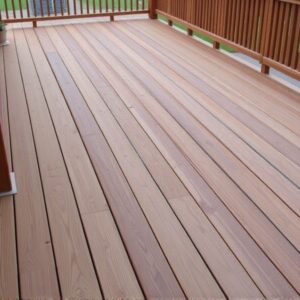
Gone are the days of boring grey decking. Today’s wood plastic composite decking in AE comes in everything from rich mahogany tones to cool contemporary greys. The trend I’m loving? Multi-tonal boards that mimic real wood grain patterns. They add depth without the maintenance headaches.
Here’s a pro designer trick: Use lighter colors around pools to keep surface temps down, and save the darker tones for shaded areas. Most suppliers offer custom color-matching too – I recently created a bespoke terracotta hue for an Al Ain heritage project that blended perfectly with existing architecture.
The Verdict: Is WPC Right for You?
Let’s cut to the chase: If you’re tired of replacing decking every few years, want to ditch maintenance chores, and love the idea of a splinter-free zone, wood plastic composite decking in AE is worth every fil. The upfront cost might be 20-30% higher than basic wood, but when you factor in 25+ years of service life? It’s actually cheaper in the long run.
My final advice? Don’t cheap out on thickness. For UAE conditions, go with boards at least 25mm thick – anything thinner might warp under extreme heat. And always, always check the UV stabilization warranty. Trust me, once you try WPC decking, you’ll wonder how you ever put up with traditional wood’s drama!

Reviews
There are no reviews yet.