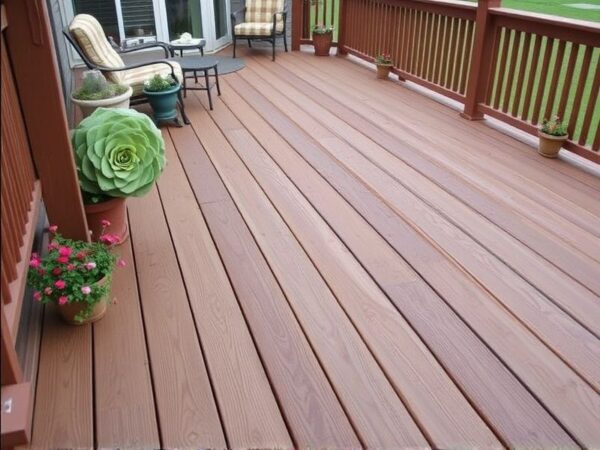
What Composite Decking Is Made Of: Breaking Down the Ingredients
The Secret Sauce in Your Deck Boards
Ever wondered why composite decking doesn’t rot like regular wood? It’s all in the recipe. These modern deck boards mix wood flour (think sawdust leftovers from lumber mills) with recycled plastics like milk jugs and shopping bags. Most manufacturers use about 50-60% wood content paired with HDPE or LDPE plastics – that’s the same stuff in your detergent bottles and grocery bags, but way more durable when transformed into decking.
Why Plastic Types Matter More Than You Think
Here’s where it gets interesting. High-Density Polyethylene (HDPE) gives better moisture resistance, while Low-Density Polyethylene (LDPE) makes boards more flexible. Most quality decks use a blend of both – imagine getting the best features of both worlds. The plastic isn’t just filler either; it’s what keeps termites away and prevents warping that drives traditional wood deck owners crazy.
Green Credentials You Can Actually Trust
Modern composite decking eats old plastic for breakfast. Leading brands now incorporate 90%+ recycled content in their core mix. I recently toured a factory that uses reclaimed fishing nets from ocean cleanups – talk about turning trash into treasure! But watch out: not all “eco-friendly” claims hold water. Look for third-party verified percentages rather than vague marketing terms.
| Material | Typical % in Composite | Key Benefit |
|---|---|---|
| Recycled Wood | 50-60% | Natural look & texture |
| Recycled Plastics | 30-45% | Water resistance |
| Additives | 5-10% | UV protection & color retention |
Capped vs Uncapped: More Than Just a Pretty Face
That plastic shell you see on premium boards? It’s not just for show. Fully capped boards have a protective polymer sleeve that acts like armor against stains and scratches. Uncapped versions might save you 15-20% upfront, but trust me – you’ll pay for it in maintenance time later. The cap also allows for more vibrant color options that won’t fade like traditional stained wood.
From Factory Floor to Your Backyard
The magic happens in three stages: First, raw materials get ground into uniform particles. Then comes the high-heat mixing that bonds wood and plastic at molecular level. Finally, extrusion machines shape the molten mix into boards under intense pressure. Some manufacturers even add color during this process so the hue goes all the way through – no more worrying about surface scratches revealing a different color underneath!
Why Your Neighbor Switched to Composite
Remember Bob down the street who used to spend every summer resealing his deck? Last time I checked, he’s been sipping lemonade on his composite deck for three straight years without lifting a paintbrush. The moisture resistance alone is game-changing – no more swollen boards or splintered surfaces. Plus, most composites come with 25+ year warranties against rotting and insect damage.
Certifications That Actually Mean Something
Don’t fall for pretty brochures. Look for ASTM certifications (like D7032 for structural performance) and ISO 14001 for environmental management. These aren’t just fancy acronyms – they’re proof the decking can handle real-world weight and weather. Pro tip: If a salesperson can’t immediately produce certification documents, keep walking.
When Composite Makes Sense (And When It Doesn’t)
While composite decking shines in rainy climates and high-traffic areas, it might be overkill for a small balcony that gets afternoon shade. The sweet spot? Families with kids/pets, coastal homes, or anyone tired of annual maintenance. That said, the initial cost still runs 2-3x higher than pressure-treated lumber – though most homeowners break even on maintenance savings within 5-7 years.
The Future Looks Green (Literally)
Innovators are experimenting with bio-based plastics and agricultural waste like rice husks. One prototype I saw used recycled wind turbine blades – now that’s next-level sustainability! As manufacturing improves, we’re seeing thinner yet stronger profiles that use less material without sacrificing durability. The bottom line? What composite decking is made of keeps getting smarter, greener, and more durable with each passing year.


Reviews
There are no reviews yet.