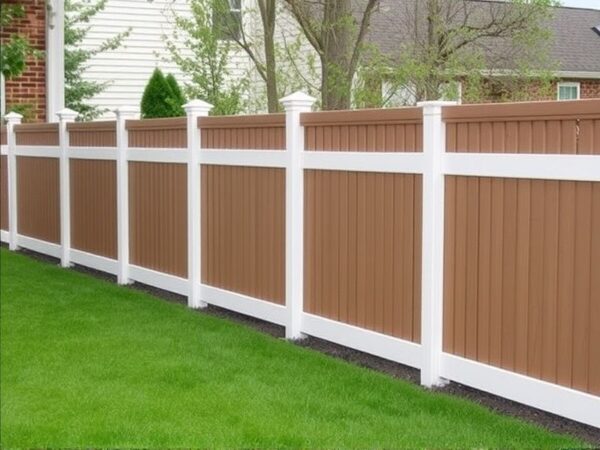
Vinyl vs Composite Fence: Which Material Wins for Your Backyard?
Let’s cut through the noise – choosing between vinyl and composite fencing can feel like picking between twins with different personalities. Both promise low maintenance and curb appeal, but dig deeper and you’ll find surprising differences. Whether you’re battling salty sea air or trying to keep deer out of your garden, the right choice could save you thousands down the road. Let’s break it down like neighbors chatting over the fence.
Material Showdown: Plastic vs Recycled Goodness
Picture this: vinyl fences are basically the superheroes of PVC plastic, while composite fences mix wood fibers with recycled plastics like a sustainability smoothie. That composite blend gives it a more natural wood-like texture – perfect for tricking your nosy neighbor into thinking you splurged on real cedar. But here’s the kicker – that plastic content in composites can vary wildly between brands. Some use up to 95% recycled materials, others barely meet the minimum. Always ask about the green credentials!
When Mother Nature Throws a Tantrum
Living near the coast? Vinyl might become your best friend. I’ve seen these plastic warriors shrug off salt spray that would make traditional wood fences disintegrate in 5 years. But in shady, wooded areas? Watch out – composite’s resistance to moisture makes it better at fighting off mold and that weird green slime that appears after rainy seasons. Pro tip: Dark-colored vinyl can get hot enough to fry an egg in desert climates – not great if you’ve got curious pets or kids.
The Maintenance Myth (Spoiler: They’re Not Equal)
Here’s where vinyl fans get smug. A quick hose-down is usually all it takes to keep these white pickets looking fresh. Composites? They might need occasional scrubbing with a mild detergent, especially if you’re dealing with tree sap or bird droppings. But wait – some newer composite brands come with stain-resistant coatings that actually outperform basic vinyl. It’s like comparing a non-stick pan to your grandma’s cast iron skillet.
Wallet Impact: The 10-Year Reality Check
Let’s talk numbers without putting you to sleep. Upfront costs tell one story (vinyl: $20-35 per linear foot, composite: $25-40). But the real drama unfolds over time. That vinyl fence might cost you a few hundred in occasional cleaning supplies over a decade. Composites could demand replacement panels if they warp – I’ve seen this happen when installers cut corners on post spacing. Oh, and don’t forget – many composites come with prorated warranties that might leave you footing part of the bill after year 5.
| Feature | Vinyl | Composite |
|---|---|---|
| 10-Year Cost | $3,500-$6,000 | $4,200-$7,500 |
| Color Fading | 5-15% | 10-25% |
| Warranty | Lifetime (non-prorated) | 25 years (prorated) |
Real World Wins: Where Each Material Shines
Meet Sarah from Florida – her vinyl fence survived three hurricanes but yellowed slightly from intense sun. Then there’s Mike in Oregon whose composite fence blends perfectly with his forest property, though he occasionally power-washes moss off the north side. Coastal homeowners swear by vinyl’s salt resistance, while eco-warriors love that composites keep plastic milk jugs out of landfills.
The Green Factor: Not So Black and White
Here’s the dirty secret – vinyl production isn’t exactly eco-friendly. Those plastic panels come from non-renewable resources and release nasty chemicals if they ever catch fire. But composites aren’t saints either. Some brands use more virgin plastic than recycled content. The silver lining? Several manufacturers now offer take-back programs for old composite panels. Do your homework – ask for third-party sustainability certifications.
Installation Gotchas You Need to Know
Thinking of DIY? Vinyl’s lighter weight makes it more forgiving for weekend warriors, but those interlocking panels require military precision. Composites are heavier but often come in pre-assembled sections – great until you realize you need three people to lift them. Pro tip: Both materials expand and contract with temperature changes. Skimp on expansion gaps and you’ll get warping that looks like a rollercoaster track.
Tech Upgrades: What’s New in 2024
Manufacturers aren’t sleeping! Vinyl fences now come with UV inhibitors that claim to reduce fading by up to 40%. Some composite brands are experimenting with bamboo fibers for better durability. The real game-changer? Integrated pest-resistant formulas in composites that actually repel termites and carpenter bees. Still waiting for the self-cleaning version though – a guy can dream, right?
The Final Verdict: What’s Best for You?
If you’re the “set it and forget it” type with a moderate budget, vinyl’s your workhorse. Hate maintenance but love earthy aesthetics? Spring for premium composite. For beachfront properties, vinyl still reigns supreme despite environmental concerns. Eco-conscious urbanites might tolerate composite’s higher cost for its green credentials. Whatever you choose, remember – proper installation matters as much as the material itself. Maybe more.
Last word of advice: Check local regulations! Some HOAs have strong opinions about “plastic-looking” fences. And whatever you do, don’t cheap out on posts – that’s where 90% of fence failures start. Happy fencing!


Reviews
There are no reviews yet.