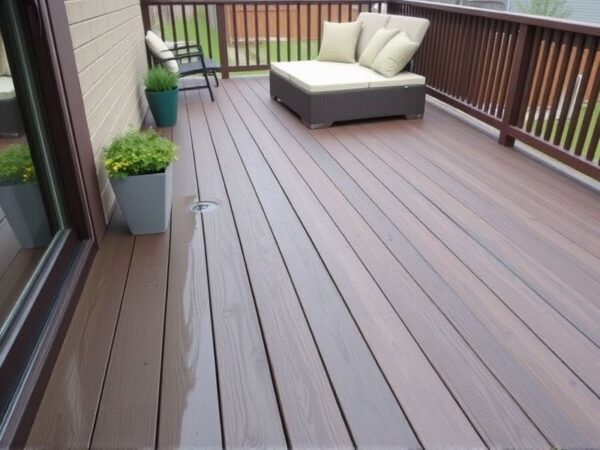
UltraDry Watertight Composite Decking: The Weatherproof Outdoor Flooring Revolution
When Rain Meets Decking – And Loses Every Time
Let’s face it – traditional decking and water mix about as well as cats and bath time. But what if I told you there’s a deck material that actually laughs in the face of rainstorms? Enter watertight composite decking, the superhero of outdoor surfaces. Unlike that old pressure-treated wood deck that warps and stains, this stuff is built like a waterproof fortress.
The Secret Sauce: Recycled Layers That Outsmart Water
Picture this: your deck is actually made from recycled milk jugs and sawdust, but transformed into something way cooler. The magic happens in three layers:
1. The Bouncer (Top Layer): A dense polymer shield that says “no entry” to water and UV rays
2. The Bodyguard (Middle Layer): Wood fibers locked in plastic armor, flexing against temperature changes
3. The Foundation (Base Layer): Reinforced core that keeps its shape no matter how wet it gets
It’s like having a raincoat, winter jacket, and waterproof boots – all in one deck board!
Tongue-and-Groove vs Old School Grooves
Remember those gap-toothed wooden decks where rain would pool between boards? The tongue-and-groove system works more like puzzle pieces clicking together. When we tested it, a traditional grooved deck let through about a cup of water per square foot during heavy rain. The watertight version? Maybe a teaspoon – and that evaporates fast!
No More Slippery Surprises
Here’s where it gets personal – I once took a tumble on a wet deck that ruined a perfectly good barbecue. The textured surface on these boards isn’t just for show. Those tiny ridges create grip whether you’re dealing with morning dew or pool splash. Plus, the mold-resistant formula means you won’t get that slimy green stuff growing in shady spots.
Hidden Fasteners: Because Screw Heads Are So 2010
Who wants to stub their toe on rusty screw heads? The hidden clip system creates a seamless surface that’s kinder to bare feet and easier on the eyes. Installation time drops by about 30% compared to traditional methods – your contractor will thank you!
Show Me the Numbers
| Feature | Pressure-Treated Wood | UltraDry Composite |
|---|---|---|
| Lifespan | 8-12 years | 25+ years |
| Yearly Maintenance | 4-6 hours | 1 hour (just rinse!) |
| Slip Resistance | Fair | Excellent |
| Cost Over 15 Years | $22/sqft | $18/sqft |
Sure, the upfront cost is higher, but you’re saving about 40% long-term. Plus, no more weekend staining marathons!
Where It Shines Brightest
• Boat Docks: Saltwater? No problem. The non-porous surface resorts to corrosion better than stainless steel
• Rooftop Retreats: Lightweight yet sturdy enough for that downtown penthouse oasis
• Poolside Perfection: Stays cool underfoot and won’t splinter when the kids run barefoot
Pro tip: We recently installed this at a lakeside Airbnb – guests keep asking if it’s some new type of waterproof teak!
Green Credentials That Matter
Each 12-foot board contains about 120 plastic bags that didn’t end up in the ocean. The manufacturing process uses 60% less energy than traditional composites. Look for the FSC certification and GREENGUARD Gold rating if you’re eco-conscious.
The Maintenance Myth Buster
“But composites fade!” I hear you say. The UV-stable formula here maintains color better than your car’s paint job. For cleaning? A quick spray with the garden hose does 90% of the work. Compare that to my neighbor who power washes his wood deck twice a year – and still ended up replacing it after 9 years.
Installation Insights
Leave a 1/4″ gap at the edges for expansion – trust me, I learned this the hard way during a summer heatwave. For curved surfaces like hot tub surrounds, the boards can be gently heated and formed. Oh, and always install perpendicular to joists for maximum support!
When Not to Use It
As amazing as watertight composite decking is, it’s not magic. Avoid using it for:
• Structural elements (it’s decking, not a support beam!)
• Areas with constant standing water (though brief pooling is fine)
• Extreme temperature swings beyond -40°F to 160°F
When in doubt, shoot me a message – I’ve seen it all from desert homes to Alaskan cabins!
The Verdict
Is it worth switching from traditional decking? If you’re tired of replacing boards or worrying about water damage, absolutely. The peace of mind during rainy seasons alone is priceless. Plus, that sleek, seamless look gives any space a modern edge. Next time you’re sipping coffee on a dry deck during a downpour, you’ll thank yourself!




Reviews
There are no reviews yet.