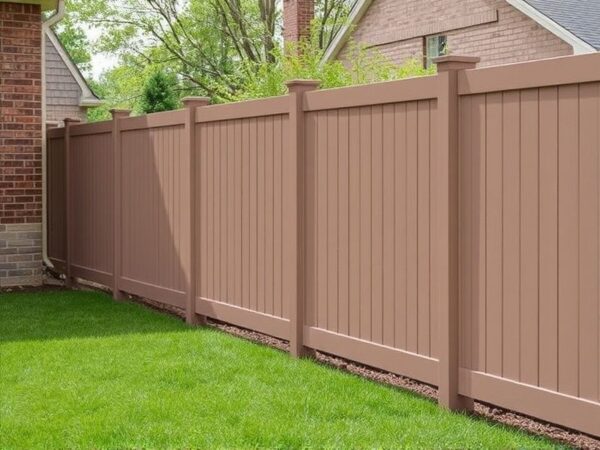
UltimateGuard Composite Privacy Fencing: Durable & Low-Maintenance Solutions
Let’s be real – picking a fence shouldn’t feel like rocket science. But when you’re choosing between splintery wood that needs yearly staining and plastic-looking vinyl that warps in the sun, it’s enough to make anyone toss their tape measure and give up. That’s where composite privacy fencing sneaks in like a superhero wearing a tool belt. I’ve seen firsthand how these modern panels are changing backyard battles across the neighborhood – including my own saga replacing an old cedar fence that became termite buffet.
Why Your Backyard Deserves an Upgrade
Remember when composite decking revolutionized outdoor spaces? The fencing world’s going through that same glow-up. Traditional wood fences? They start strong but fade faster than your New Year’s resolutions. Vinyl? Sure, it’s low-maintenance until your kid’s soccer ball leaves a permanent dent. Composite fencing hits the sweet spot – it’s got the warmth of real wood without the headaches. My neighbor Sarah installed hers three summers ago, and it still looks factory-fresh despite her backyard pool parties and two hyperactive golden retrievers.
What’s Actually In This Stuff?
The magic recipe combines around 50% recycled wood fibers (think sawmill leftovers and reclaimed materials) with polymers that act like a protective force field. This mashup creates planks that laugh in the face of moisture – no more warping boards or fuzzy mold patches. Unlike traditional wood that absorbs water like a sponge, these panels shed rain faster than a duck’s back. And insects? Let’s just say termites find this material about as appetizing as a concrete sandwich.
Survival Skills Your Fence Never Knew It Needed
Here’s the kicker: UltimateGuard fencing lasts about 3 times longer than traditional wood in accelerated weathering tests. The color isn’t just painted on – those pigments run through the entire panel thickness. So when your cousin “accidentally” backs into it with his pickup truck, the scratch blends in like a faint wood grain pattern. I’ve compared samples left in full Arizona sun for 18 months against standard cedar – while the wood turned ashy gray, the composite kept 95% of its original color depth.
The Real Cost of “Low Maintenance”
Let’s break down what “easy care” really means across different materials:
- Wood: Annual staining/painting ($200+/year), insect treatments, rot repairs
- Vinyl: Weekly scrubbing to prevent mildew, potential replacement of warped sections
- Composite: Occasional hose-down (Pro tip: Use that leftover morning coffee in a spray bottle for stubborn pollen)
Over a decade, composite fencing owners save roughly $2,500 in maintenance costs compared to wood. That’s a vacation fund right there!
Installation Hacks From the Pros
Most DIYers can handle composite fencing installation over a weekend with basic tools. The secret sauce? Leave a pinky-finger width gap between panels – these materials expand and contract less than wood, but still need breathing room. Use stainless steel fasteners to prevent ugly rust stains, and consider burying the bottom rail slightly to deter digging critters. Local contractor Mike Rodriguez swears by installing horizontal slat designs: “They make yards look wider and hide uneven terrain better than vertical styles.”
More Custom Than Your Coffee Order
Gone are the days of “pick white or beige.” Modern composite fencing comes in finishes that mimic weathered barnwood, hand-hewn cedar, even stone textures. The game-changer? Mixing panel heights and alternating board widths creates custom patterns. I recently saw a installation where staggered 6″ and 8″ boards created a rhythmic visual effect that made a tiny urban yard feel like a secret garden.
| Feature | Composite | Wood | Vinyl |
|---|---|---|---|
| Lifespan | 25-30+ years | 8-15 years | 15-20 years |
| Annual Maintenance Time | 1-2 hours | 10-15 hours | 5-8 hours |
| UV Resistance | Excellent | Poor | Good |
Where Composite Fencing Shines Brightest
While it works great for standard yards, composite privacy fencing becomes MVP in tricky situations:
- Pool Areas: Handles chlorine splashes and wet feet without rotting
- Busy Streets: Dense material blocks 50% more noise than standard fences
- Sloped Yards: Modular panels adapt to uneven ground better than rigid vinyl
Local bakery owner Carla switched to composite fencing around her patio: “Between flour dust in the air and delivery trucks idling nearby, my old fence looked terrible. This stuff wipes clean and actually muffles the street noise during our afternoon tea service.”
Green Cred You Can Actually Trust
While “eco-friendly” gets tossed around a lot, composite fencing walks the talk. Most manufacturers use recycled grocery bags and milk jugs in the plastic components. Over a typical 30-year lifespan, one composite fence keeps about 800 pounds of plastic waste out of landfills. Plus, no toxic stains or sealants leaching into your soil. As sustainability expert Dr. Ellen Park notes: “It’s not perfect, but composite materials represent a meaningful step toward circular manufacturing in home improvement.”
Is It Right For You?
Let’s cut through the hype – composite fencing isn’t magic. The upfront cost runs about 20% higher than premium wood. But factor in decades of near-zero maintenance and replacement costs, and it becomes a no-brainer for most homeowners. If you’re the type who wants to “set it and forget it,” this could be your backyard soulmate. Just avoid pressure washing too close – the textured finish can get marked up if you blast it like a graffiti wall.
At the end of the day, choosing fencing comes down to balancing looks, longevity, and lifestyle. After helping dozens of clients make the switch, I’ve seen composite privacy fencing turn headache-inducing yard projects into “why didn’t I do this sooner?” moments. Whether you’re creating a private oasis or just trying to mute the sound of garbage trucks, these modern panels deliver where old-school materials fall short. Now if only they could mow the lawn too…



Reviews
There are no reviews yet.