
Ultimate Guide to Laying Composite Decking: Step-by-Step Installation Tips
Why Composite Decking Rocks
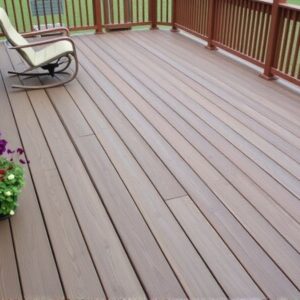
Let’s face it – traditional wood decks can be high-maintenance headaches. Remember my neighbor’s teak deck that turned gray after one season? Composite decking solves those problems with its plastic-wood blend that laughs in the face of rot, insects, and weather. We’re talking about surfaces that stay looking fresh for 15-20 years with just soap and water. Now that’s what I call a smart investment!
The Secret Sauce: Pre-Installation Planning
Before you grab those power tools, let’s talk strategy. Ever seen a deck that looks like it’s doing the wave? That’s what happens when you skip these crucial steps:
Measuring Like a Pro
Here’s the thing – composite decking expands and contracts more than you’d think. For a standard 12x20ft deck, you’ll need to account for about 1/4 inch of movement on each side. Pro tip: Always order 10% extra material. Trust me, you don’t want to be short one board when it’s raining!
Building a Bulletproof Substructure
Your deck is only as good as what’s underneath. I recommend using galvanized steel joists spaced 12-16 inches apart. Why? They won’t warp like traditional wood supports. Picture this: Last summer I helped install a deck using this method – three hurricanes later, it’s still perfectly level.
Material Showdown: Hidden vs Visible Fasteners
| Hidden Fasteners | Visible Screws | |
|---|---|---|
| Look | Seamless, upscale finish | Industrial vibe |
| Install Time | 20% longer | Quick & easy |
| Cost | $$$ | $ |
For that magazine-worthy deck, hidden fasteners can’t be beat. But if you’re on a tight budget? Grab some color-matched screws – they’ll blend right in once the deck weathers a bit.
Installation Steps That Actually Work
Alright, time to get our hands dirty! Here’s the system I’ve perfected over 30+ installations:
First Row Matters Most
Ever tried building a house on crooked foundation? Same principle here. Use stainless steel starter clips and check alignment every 3 boards. Pro trick: Snap a chalk line every 4 feet – it’ll save you headaches later.
Cutting Without Tears
Here’s where people mess up: Cutting composite decking requires different blades than wood. Use a 60-tooth carbide blade and go slow. That burning smell? Means you’re going too fast. Ask me how I know…
Ventilation Is King
You wouldn’t want your beautiful deck to warp after the first rain, would me? Leave at least 1/8 inch between boards and 1 inch from walls. For decks near the ground, add cross-ventilation channels every 4 feet.
Oops Moments: Common Mistakes to Avoid
Let’s learn from others’ mistakes, shall we?
- The Gap Gamble: “It’ll expand? Nah…” → Warped boards by August
- Wrong Fastener Fiasco: Using regular screws → Rust stains in 6 months
- Drainage Disaster: Forgetting slope → Puddles that never disappear
Keeping Your Deck Looking Fresh
Here’s the beauty of composite – maintenance is a breeze. My routine? Once a month: Spray with garden hose. Twice a year: Scrub with mild detergent. That’s it! No sanding, no staining, no weekend-long projects.
Real-World Example: When the Smiths wanted to integrate stairs into their composite deck, we used hidden edge trim with anti-slip strips. Not only does it look sharp, but their kids haven’t slipped once – even in rainy Seattle weather!
When to Call the Pros
While DIY is totally doable, some situations need expert hands:
– Sloped yards requiring complex foundations
– Multi-level designs with integrated lighting
– Historic homes needing special permits
At the end of the day, laying composite decking is about balancing precision with practicality. Follow these tips, take your time, and before you know it, you’ll be hosting backyard BBQs on a deck that turns neighbors green with envy. Got questions? Drop them in the comments – I’m here to help!



Reviews
There are no reviews yet.