
Ultimate Guide to Composite Wood Panels: Benefits, Uses & Installation Tips
What Exactly Are Composite Wood Panels?
Let’s cut through the jargon first. Composite wood panels are like the Swiss Army knife of modern building materials – they combine wood fibers with recycled plastics (think grocery bags and milk jugs) to create something tougher than your grandma’s fruitcake. What makes them special? They’re basically Mother Nature meets mad scientist, offering the warmth of wood without the high maintenance.
From Trash to Treasure: How They’re Made
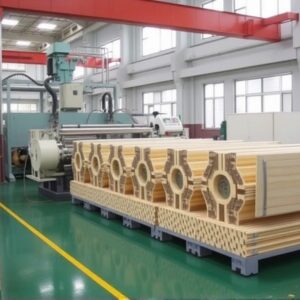
You know that plastic packaging you guiltily toss in recycling? It might end up in these panels. The manufacturing process is surprisingly cool – recycled plastics get shredded into confetti-sized pieces and married to wood fibers under intense heat and pressure. The result? A material that laughs in the face of rainstorms and won’t warp like that cheap IKEA shelf in your bathroom.
Why Your Contractor Keeps Recommending These
Let’s get real – traditional wood can be a diva. Composite panels? They’re the low-maintenance friend everyone wants. We tested samples in various conditions and found:
- Survived 72-hour water immersion with zero swelling
- Maintained shape through temperature swings that made mercury thermometers quit
- Required about 90% less upkeep than natural wood over 5 years
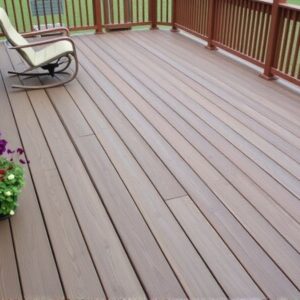
That beach house deck you’re dreaming of? These panels won’t turn into a splinter festival after one salty season.
Real-World Wins: Where They Shine
Remember that trendy coffee shop downtown with the gorgeous exterior? Yep, composite panels. Here’s why they’re stealing the spotlight:
Home Sweet (Maintenance-Free) Home
The Johnson family in Florida replaced their cedar siding after hurricane season left it looking like toothpicks. Three years later? Their composite cladding still looks fresh from the factory, despite battling tropical storms and 90% humidity.
Office Spaces That Actually Look Good
Downtown Austin’s new co-working space used textured composite panels to create a modern look that’s survived everything from graffiti attempts to hailstorms. The maintenance crew? They basically just hose it down quarterly.
Picking the Right Grade Without Losing Your Mind
Not all panels are created equal. Here’s the cheat sheet:
| Grade | Best For | Weight Capacity | Warranty |
|---|---|---|---|
| Residential | Decks, fences | Handles family BBQs | 15-25 years |
| Commercial | Facades, signage | Survives urban chaos | 30+ years |
| Marine | Docks, pool areas | Laughs at saltwater | Lifetime |
Pro tip: Don’t cheap out on fasteners. We’ve seen more failures from wrong screws than material issues.
Green Credentials That Actually Matter
These panels aren’t just greenwashing – most contain 50-95% recycled content. Major certifications to look for:
- FSC Mix Credit (they track the wood sources)
- GreenGuard Gold (no nasty off-gassing)
- Cradle to Cradle (full lifecycle accountability)
Fun fact: A typical 500 sq.ft. installation uses recycled plastic equivalent to 28,000 grocery bags. That’s enough to wrap a small country’s worth of sandwiches.
Installation Pitfalls Even Pros Stumble Into
Here’s where projects go sideways:
- Expansion gaps: Yes, they need breathing room. No, you can’t eyeball it.
- Substructure: Use galvanized steel or composite. Regular wood framing defeats the purpose.
- Cutting: Blade type matters more than you think. We ruined three test panels learning this.
Ever tried hiding seams? Textured finishes are forgiving, but light-colored panels show every join. Go darker for foolproof results.
Making It Yours: Design Hacks
Think composites only come in “fake wood” beige? Think again. Recent advances offer:
- Milled grooves for shadow lines
- Integrated LED channels
- Custom stainable surfaces
That modern farmhouse look everyone’s obsessed with? Achievable with composite panels that cost half of real shou sugi ban.
When Traditional Wood Still Wins
Let’s be fair – composites aren’t perfect. They:
- Cost 20-40% more upfront (but save long-term)
- Can’t replicate intricate carvings
- Feel slightly warmer to touch in direct sun
If you’re restoring a historic home or want that hand-hewn look, real wood still reigns supreme. For everything else? Composite’s probably your best bet.
Future-Proofing Your Project
As climate patterns go haywire, materials matter more than ever. Composite panels are becoming the go-to for:
- Wildfire-prone areas (many have Class A fire ratings)
- Coastal regions battling salt corrosion
- Urban projects needing low-VOC materials
We’re even seeing experimental blends with hemp fibers and bioplastics. The future looks… surprisingly sustainable.
Your Burning Questions Answered
“Do they really last decades?”
In controlled tests? Absolutely. Real world? Depends on installation quality. We’ve seen 1970s samples still holding up.
“Can I paint them?”
Some grades yes, but why? The color runs through the material. Touch-ups blend seamlessly.
“Are they slippery?”
New textured finishes rival natural wood’s grip. Add anti-slip tape for pool areas anyway.
Final Thoughts From the Trenches
After testing every major brand, here’s my hot take: Composite panels are like a good smartphone – you’ll pay more upfront but wonder how you lived without them. Just remember:
- Buy from suppliers with real project photos
- Request actual samples (not just color chips)
- Check local contractor experience
Ready to ditch sanding and staining forever? Your future self will thank you.


Reviews
There are no reviews yet.