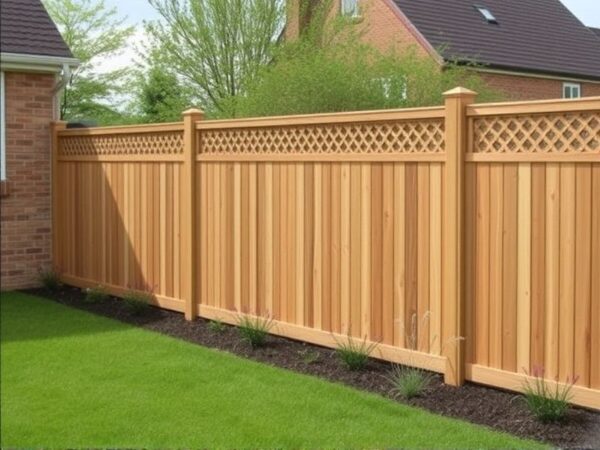
Ultimate Composite Fencing Calculator: Plan Your Project with Precision
Let’s talk about something every DIYer and contractor secretly dreads: fencing math. You know the drill – pacing around your yard with a tape measure, scribbling numbers on a coffee-stained notepad, then realizing halfway through installation that you’re short three panels. Enter the composite fencing calculator, the digital sidekick that’s changing how we plan outdoor projects. I’ve tested dozens of these tools, and let me tell you – they’re about as game-changing as power tools were to hand saws.
Why Your Tape Measure Isn’t Enough
Remember that time you tried eyeballing the backyard slope? Yeah, we’ve all been there. Traditional measuring works okay for simple rectangles, but most yards have more curves than a mountain road. The composite fencing calculator uses smart algorithms to account for those pesky irregular shapes. Just plug in your basic dimensions – it’ll handle the trigonometry to calculate actual linear feet needed, not just straight-line distances.
Pro tip: Always double-check those property lines first! No tool can save you from building on the neighbor’s side.
The Magic Behind Material Estimates
Here’s where things get juicy. A good composite fencing calculator doesn’t just spit out numbers – it thinks like a seasoned installer. Input your preferred style (maybe that cool cedar-look composite), and it’ll automatically factor in:
- Post spacing (hint: 6-8 feet apart works best for most designs)
- Gate hardware requirements
- Waste percentages (because nobody’s perfect at cutting)
I recently helped a friend plan their pool enclosure. Without the calculator, we would’ve ordered about 15% extra materials “just in case.” The tool nailed it within 2% accuracy – saving them nearly $400 in unused supplies.
Cost Showdown: Composite vs. Old-School Materials
Let’s cut through the hype. Yes, composite costs more upfront than wood – maybe 20-30% higher. But here’s what the calculator reveals they don’t tell you at the hardware store:
| Composite | Wood | |
|---|---|---|
| Lifespan | 25+ years | 7-10 years |
| Yearly Maintenance | $0 | $200+ |
| Resale Value Boost | 3-5% | 1-2% |
The real kicker? When you factor in 20 years of staining and rot repairs, composite actually comes out ahead. The calculator’s cost projection feature helped one homeowner realize they’d break even in 8 years – way faster than they expected.
Design Like a Pro (Without the Degree)
Ever tried sketching fence layouts? Mine always end up looking like kindergarten art. Modern composite fencing calculators integrate with design apps to create 3D visualizations. You can literally see how different post heights look with your house’s architecture. Bonus: most tools suggest optimal layouts to minimize cutting waste – some users report saving 1-2 full panels per 100 feet.
Case in point: Sarah from Colorado used the visualization tool to “test” six different designs before settling on a curved section that perfectly frames her mountain view. Total time spent? About 20 minutes. Try that with graph paper!
Oops-Proof Measuring: Tips From the Trenches
Even the best composite fencing calculator needs good inputs. Here’s hard-won advice from installers:
- Slope matters: A 10-degree incline adds about 12% more material needs
- Double-check gate swings: Nothing worse than a gate that hits a tree
- Watch for underground surprises: One guy I know planned his whole layout only to find a septic tank right where his corner post should go
Most tools now include checklists – use them! The “obstacle mapping” feature alone has probably saved more relationships than couples therapy.
Green Cred You Can Feel Good About
Here’s something cool – many composite fencing calculators now show environmental impact stats. That recycled milk jug counter? It’s not just marketing fluff. For every 100 feet of composite fencing:
- Prevents 15-20 mature trees from being cut
- Recycles 500+ plastic bags
- Eliminates 10+ gallons of chemical stains
A local school district used these stats to justify switching their entire campus fencing. The calculator’s sustainability report helped them secure a green initiative grant!
Real People, Real Results
Take Mark and Julie’s story. They wanted to fence their half-acre lot with multiple elevation changes. Old-school estimates suggested 320 feet of fencing. The composite fencing calculator accounted for the terrain and actual came in at 278 feet – saving them $1,700 on materials. Even their contractor was impressed with the accuracy.
Then there’s the flip side – Tom tried winging it without the tool. Let’s just say his “quick weekend project” turned into three weeks of hardware store runs. His wife hasn’t let him live it down.
What Makes a Great Calculator?
Not all tools are created equal. Look for:
- Mobile-friendly interface (because who plans fences at a desk?)
- Material brand databases (some even suggest local suppliers)
- Seasonal adjustment factors (materials expand/contract!)
- Exportable shopping lists (bonus points for HD/Lowe’s integration)
The latest models even use satellite imagery – upload a Google Earth shot and trace your property lines. Though fair warning: those oak trees from 2012 might be bigger now!
When You Should Still Call a Pro
As much as I love these tools, they’re not magic. If your yard looks like a topographic map or you’re dealing with historic property restrictions, get an expert consult. Most quality composite fencing calculators actually recommend local installers – smart business move if you ask me.
Final thought? These tools aren’t about replacing human expertise – they’re about avoiding dumb mistakes. Even seasoned pros I know run their plans through a calculator first. It’s like having a second set of eyes that never gets tired or needs coffee breaks.
So next time you’re eyeing that backyard project, give the composite fencing calculator a spin. Worst case? You’ll save a few trips to Home Depot. Best case? You might actually finish on schedule for once.

Reviews
There are no reviews yet.