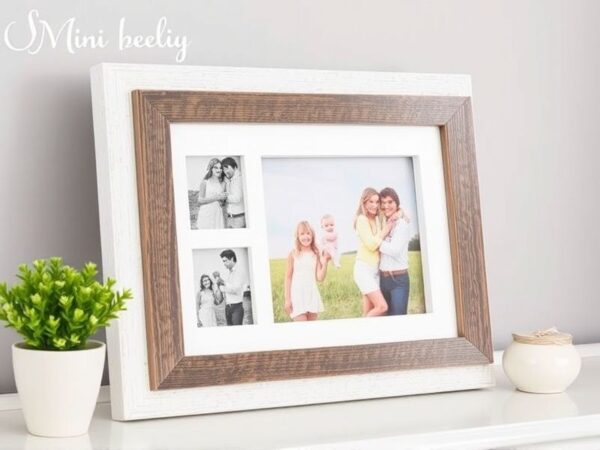
Two-Tone Picture Frame Deck: Your New Secret Weapon for Wall Styling
When Walls Get Boring, This Happens
You know that awkward wall space that’s been staring back at you for months? The one where family photos collect dust in a cardboard box because you can’t decide how to arrange them? That’s exactly where two-tone picture frame decks come to save the day. These modular display systems aren’t just frames – they’re like LEGO blocks for grown-ups who want their walls to tell a story.
The Magic of Contrast
Picture this: matte black frames alternating with brushed brass, or walnut wood playing off crisp white lacquer. The dual-color scheme does more than just look pretty – it creates visual rhythm that makes your photo collection feel curated rather than chaotic. I’ve seen clients go from “my walls feel flat” to “this looks like a magazine spread” just by mixing two complementary finishes.
Materials That Play Nice Together
Let’s talk about your options without getting too technical. The lightweight aluminum sets (perfect for renters) weigh about as much as a hardcover book per frame. Solid wood versions bring that organic warmth everyone’s craving these days – just be ready to baby them a bit in humid climates. My personal favorite? Composite materials that mimic wood grain but handle bathroom steam like champs.
| Material | Best For | Maintenance Level |
|---|---|---|
| Aluminum | Modern spaces, frequent rearrangers | Wipe-and-go easy |
| Solid Wood | Cozy traditional rooms | Seasonal oiling needed |
| Composite | High-moisture areas, busy households | Nearly zero upkeep |
Hanging Without the Headache
Here’s the truth nobody tells you: installation is easier than assembling IKEA furniture. Most systems use interlocking panels that click together like puzzle pieces. The real game-changer? Adjustable mounting rails that let you slide frames around until they look just right. No more measuring tape-induced meltdowns!
Where It Works Best
Let me paint you a picture: In living rooms, try framing your TV with alternating black and gold frames to make the screen feel intentional. Hallways become instant galleries when you line them with narrow vertical frames in two tones. Home offices? Mix inspirational quotes with family photos using frames that match your desk hardware. Pro tip: Use lighter tones on smaller walls to keep spaces feeling airy.
Mixology 101 for Frames
Start with your dominant color covering about 70% of the arrangement – maybe those rich espresso frames. Then sprinkle in your accent shade. Not sure which colors to pair? Match your frames to existing metal finishes in the room. Bronze cabinet pulls? Try bronze and gray frames. Brushed nickel light fixtures? Silver and white could be your jam.
Keeping It Fresh
Here’s the thing – these aren’t set-it-and-forget-it displays. The beauty is in the flexibility. Every season, I challenge clients to swap out 30% of the photos and rotate a few frame positions. It takes 20 minutes and makes the whole wall feel new again. For cleaning, a microfiber cloth does wonders on most materials. Just avoid harsh chemicals – that gorgeous finish will thank you.
Why This Beats Regular Frames
Traditional frames can look disjointed when grouped together. The deck system solves that with consistent spacing and built-in alignment guides. Plus, adding new frames is a breeze – no need to redo the entire layout. I’ve seen these hold everything from 4×6 snapshots to oversized canvas prints without sagging, which is more than I can say for some gallery walls I’ve tried.
Real People, Real Results
Take Sarah from Denver – she used a teak and white combo in her entryway to display vintage ski posters. The two-tone effect helped balance the bold artwork colors. Or Mark’s Brooklyn loft, where alternating black and clear acrylic frames made his concert photography collection look cohesive despite different sizes. The secret sauce? That deliberate color contrast tying everything together.
Your Turn to Play Designer
Ready to dive in? Start with a starter kit – usually 6-8 frames in your chosen tones. Live with them for a week, then add individual frames as needed. Remember: odd numbers create better visual interest when grouping frames. And don’t stress about perfection! The best arrangements often come from happy accidents. Now go turn those memory boxes into a wall that sparks joy every time you walk by.


Reviews
There are no reviews yet.