
Why Trex for Stairs Is the Smart Upgrade Your Home Needs
Stairs That Outlast the Elements
Let’s talk about what really matters when choosing stair materials. If you’re tired of replacing warped wooden steps every few years, Trex’s stair-specific composites are about to become your new best friend. Unlike traditional wood that turns into a science project (hello mold and rot!), Trex uses a clever blend of 95% recycled materials that laugh in the face of moisture. I’ve seen these on coastal homes where salt spray would destroy regular timber in a season – five years later, they still look fresh off the install truck.
What makes them so tough? The secret sauce is in the capped polymer shell that wraps each board. It’s like armor against stains and weather damage. While pressure-treated pine might last a decade with perfect maintenance, Trex stairs come with a 25-year residential warranty. That’s not just confidence – it’s basically a marriage proposal from a building material.
Installation Wins You’ll Actually Care About
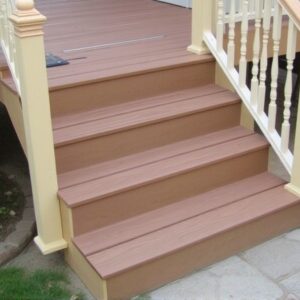
Remember the last time you tried to hide those ugly screw heads on wooden stairs? Trex’s hidden fastener system is like magic. The clips lock boards in place while keeping the surface smooth enough for bare feet. Pro tip: The color-matching hardware means you won’t have those awkward silver dots ruining your design vibe.
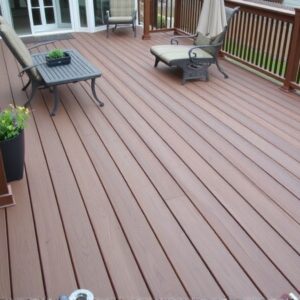
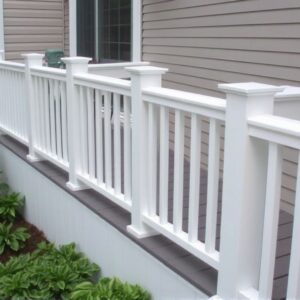
With 20+ fade-resistant colors from “Saddle” (think rich coffee) to “Silvered Gray” (modern farmhouse chic), you can match existing Trex decking or create contrast. My neighbor mixed “Toasted Sand” treads with “Spiced Rum” railings – looks like a million bucks but cost less than replacing his rotting oak steps.
Real World Testing: Pool Decks to Mountain Cabins
Where does Trex for stairs really shine? Let’s break it down:
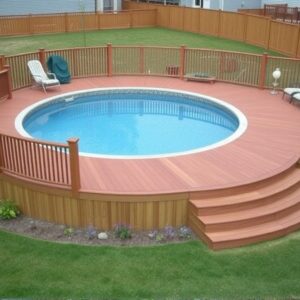
- Pool areas: The textured surface stays grippy even when wet. Sarah from Arizona told me: “After slipping on our old concrete steps, we switched to Trex. The kids can cannonball all day without me worrying!”
- Steep entryways: The adjustable rise/run accommodates tricky slopes better than rigid wood planks
- Lake houses: Unlike wood that swells with humidity, these maintain consistent spacing
| Feature | Trex Stairs | Pressure-Treated Wood | Concrete |
|---|---|---|---|
| Lifespan | 25+ years | 7-12 years | 30+ years |
| Maintenance | Soap & water | Annual sealing | Pressure washing |
| Install Time | 1-2 days | 3-5 days | 1 week+ |
| Slip Resistance | Textured grooves | Smooth when wet | Grit additives needed |
What Actual Users Are Saying
“We put Trex steps on our lakeside dock stairs. Three winters later – no splinters, no warping, just wipe off the ice melt and they’re good as new!” – Mark, Minnesota
“The hidden fasteners were a game-changer. Our golden retriever used to catch his nails on old screw heads – problem solved!” – Emily, Colorado
Making the Switch Without Headaches
Ready to upgrade? Here’s the insider scoop:
- Measure twice: Stair profiles need to match your decking’s thickness (most Trex is 1″ or 1.25″)
- Order samples: Colors look different in sunlight vs showroom lighting
- Check local codes: Some areas require specific rise/run ratios
- Ask about end caps: Gives finished edges without visible cuts
Pro installer tip: “Always use Trex-specific fasteners. We tried generic ones once – ended up with squeaky steps in six months.”
Worth the Investment?
Let’s be real – Trex stairs cost about 20% more than wood upfront. But factor in zero staining/repair costs and decades of use? My math says you break even in about eight years. Plus, that warranty means your grandkids might be the ones replacing them…in 2050.
Bottom line: If you hate maintenance and love durability, these stairs are a no-brainer. Just don’t be surprised when neighbors start asking who your designer is!
Reviews
There are no reviews yet.