
Trex Composite Decking: Durable, Eco-Friendly Outdoor Solutions That Actually Last
Why Your Backyard Deserves Trex
Let’s be real – traditional wood decks can be a pain. Remember that time you spent an entire weekend sanding and staining, only to see splinters reappear by summer’s end? Trex composite decking flips the script with its recycled plastic and wood fiber blend. What really surprised me was discovering that over 95% of its materials come from reused grocery bags and sawdust. Makes you rethink what “premium decking” really means, doesn’t it?
The Science Behind the Surface
Trex isn’t just “plastic wood” – it’s smarter material engineering. The secret sauce? A proprietary blend that combines:
• Recycled plastic film (those grocery bags get a second life)
• Reclaimed wood fibers (from manufacturing scraps)
• Protective polymer shells (for weather resistance)
This combo creates deck boards that laugh at rain, shrug off UV rays, and don’t give mold a fighting chance. I’ve seen Trex decks in Arizona sun and Minnesota winters that still look fresh after 15+ years.
Wood vs. Trex: The Real Maintenance Story
Let’s break down what you’re really signing up for:
| Traditional Wood | Trex | |
|---|---|---|
| Yearly Maintenance | 40+ hours | 2-3 hours |
| Replacement Cycle | Every 8-12 years | 25+ years |
| Weather Damage | Warping/Cracking | Minimal |
Pro tip: That “2-3 hours” is mostly just hosing off dirt. No more scraping splinters out of bare feet!
Where Trex Shines Brightest
From rooftop cocktails to poolside margaritas, here’s where Trex makes sense:
Pool Decks: No slippery algae buildup thanks to moisture-resistant boards. The hidden fasteners mean no exposed screws to burn bare feet.
Rooftop Terraces: Lightweight yet sturdy enough for urban gardens. Bonus: No warping from temperature swings.
Lakeside Docks: Saltwater? Freshwater? Trex handles both without rotting. Saw this at a Michigan cabin – still solid after 20 years of waves.
Colors That Actually Last
Remember when “gray deck” meant weathered and sad? Trex’s fade-resistant tech keeps colors vibrant. Current favorites:
• Tahoe: Cool gray that pairs with modern architecture
• Spiced Rum: Warm caramel tones for traditional homes
• Peppercorn: Bold charcoal that hides dirt beautifully
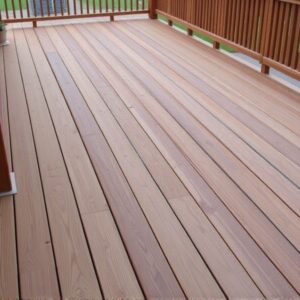
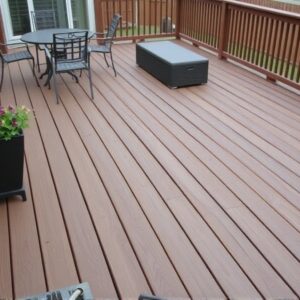
Designer secret: Mix board lengths and colors for a custom look. Saw this done on a California hillside deck – created amazing visual texture.
Installation Made (Mostly) Painless
While pros recommend professional installation, DIYers can handle it with some prep:
1. Allow boards to acclimate 48 hours
2. Use hidden fasteners for clean lines
3. Leave 1/8″ gaps for expansion
4. Pre-drill ends to prevent splitting
Personal mistake to avoid: Don’t skimp on substructure materials. Use quality joists spaced 16″ apart for best results.
Real People, Real Stories
“Our Trex deck survived three Colorado winters without a single crack. The only maintenance? Occasionally spraying off pine needles.” – Sarah K., Denver
“After Hurricane Ian, our wood neighbor’s deck was kindling. Our Trex? Just needed a good wash.” – Mark T., Naples
“Thought the eco claims were marketing fluff. Then learned our deck used 350,000 recycled bags. Mind blown.” – Emily R., Portland
The Green Choice That Pays Off
Beyond recycled materials, Trex’s manufacturing process:
• Uses 80% less energy than new plastic production
• Diverts 400 million pounds of waste annually
• Offers full recycling at end-of-life
Plus, that 25-year warranty isn’t just paperwork. I’ve seen Trex honor replacements for rare manufacturing defects – no hassle.
Is Trex Right for You?
Let’s be honest – the upfront cost is higher than pressure-treated wood. But when you factor in decades of near-zero maintenance? Most homeowners break even in 10-12 years. Plus, Realtors note Trex decks boost resale value more than wood.
Final thought: If you want weekends free from deck maintenance and free for backyard fun, this composite might be your ticket. Why not get samples and see how the colors look in your own sunlight?


Reviews
There are no reviews yet.