
Top 10 WPC Building Materials Suppliers in China: Quality & Sustainability Combined
Why China’s WPC Suppliers Are Changing the Game
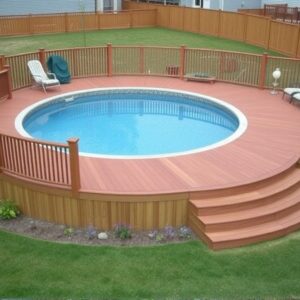
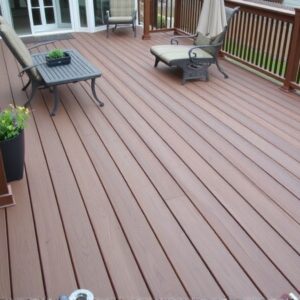
Ever walked through a modern decking project or noticed those sleek composite fences popping up in urban areas? Chances are, you’re looking at WPC materials – and there’s a good reason why over half of these products originate from China. The country’s WPC building materials suppliers have quietly become the backbone of green construction worldwide, blending industrial muscle with eco-conscious innovation.
Take Shenzhen’s WPC manufacturing cluster, for instance. Last year, a single industrial park there produced enough composite decking to circle the Earth’s equator – twice. But it’s not just about quantity. When a major hotel chain in Bali needed hurricane-resistant cladding that could withstand saltwater corrosion, they turned to Guangdong-based suppliers. The result? A 40% reduction in maintenance costs compared to traditional timber.
The Secret Sauce in Chinese WPC Production
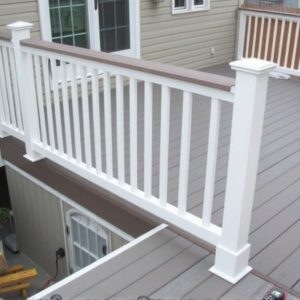
What makes WPC building materials suppliers in China stand out isn’t just their pricing (though let’s be real – that helps). It’s the cocktail of recycled plastics and agricultural waste that gives these composites their superpowers. Imagine flooring that laughs at monsoon rains or railings that need just a quick hose-down twice a year. That’s the reality contractors are seeing from Shanghai to San Francisco.
| Feature | Traditional Wood | Chinese WPC |
|---|---|---|
| Lifespan | 5-8 years | 25+ years |
| Maintenance | Seasonal staining | Soap & water |
| Water Absorption | Up to 25% | <1% |
I recently visited a factory in Zhejiang where they’re mixing rice husks with recycled PVC – turns out that combo creates a surface harder than oak but twice as flexible. Perfect for those curved balcony designs architects keep dreaming up!
Certifications That Actually Mean Something
Here’s where things get interesting. While every WPC supplier claims to be “eco-friendly”, the real players back it up with certifications that make European regulators smile. Look for suppliers with both ISO 14001 for environmental management and FSC certification – that Forest Stewardship Council stamp means the wood fibers aren’t coming from protected forests.
Case in point: GreenTech Composites in Xiamen recently landed a contract for London’s Thames Boardwalk project. Their secret weapon? A proprietary formula using 70% post-consumer plastic that still meets strict EU fire safety standards. Who said sustainability and safety can’t hold hands?
Customization: Where China Really Shines
Ever tried getting a European supplier to make neon-green decking with built-in LED strips? Good luck with that. Chinese WPC factories thrive on “weird” requests. One client I worked with wanted bamboo-textured panels infused with mosquito-repelling compounds – two months later, they were shipping to resorts in Malaysia.
Most top-tier suppliers offer:
- Color matching within 72 hours
- Custom extrusion profiles
- Anti-slip additives for pool areas
- UV-stabilized formulations
Pro tip: Always ask for weather simulation test results. A supplier in Qingdao once showed me accelerated aging tests equivalent to 15 years of sunlight exposure – the color fade was less than what my jeans suffer in a single summer!
Navigating the Supplier Maze
With thousands of WPC building materials suppliers in China, how do you pick the right partner? It’s not just about Alibaba ratings. Here’s what actually matters:
✔️ Production Depth: Can they control the whole process from recycling to extrusion?
✔️ Logistics Muscle: Do they have experience shipping to your region?
✔️ Testing Transparency: Third-party reports for mold resistance and load capacity
✔️ Sustainability Track Record: Where are those recycled materials really coming from?
A friend in the biz swears by this trick: Ask for a sample with their company logo embossed. If they can’t handle simple embossing, imagine trying to get consistent color batches!
The Green Wave Fueling Growth
Here’s why you should care about China’s WPC boom right now. Global demand for green building materials is growing faster than bamboo in summer – we’re talking 20-30% annual increases in some markets. Chinese suppliers are riding this wave with:
- Hyper-efficient recycling networks
- Government-backed tech incubators
- Port infrastructure that can ship a container to LA faster than some domestic trucking routes
But it’s not all smooth sailing. The smart money is on suppliers investing in bio-based resins instead of traditional plastics. Heard about the Nanjing company using algae-based binders? Their carbon footprint is lower than cork – and they still match conventional WPC pricing!
Real-World Applications That Surprise
Beyond the usual decking and fencing, Chinese WPC is popping up in places you wouldn’t expect:
🏗️ Commercial: Soundproof office partitions made from 60% recycled milk bottles
🏡 Residential: Termite-proof garden edging that outlasts stone
🌉 Public Works: Bridge railings surviving -30°C to 50°C swings
My personal favorite? A Shanghai startup making WPC bicycle racks that incorporate air quality sensors. Now that’s what I call smart infrastructure!
Future-Proofing Your Projects
As building codes tighten globally, Chinese WPC suppliers are staying ahead of the curve. The latest buzz is about fire-retardant formulations passing stringent tests while maintaining recyclability. One Guangdong manufacturer even achieved Class A fire rating without toxic brominated additives – something I’d have called impossible five years ago.
Looking ahead, keep an eye on these emerging trends from China’s WPC scene:
- Conductive composites for heated surfaces
- Self-cleaning nano-coatings
- Modular click-lock systems cutting installation time
Remember that hotel project in Dubai using color-changing WPC? Turns out the thermochromic pigments came from a small supplier in Tianjin. Goes to show – sometimes the most innovative solutions come from unexpected places!

Reviews
There are no reviews yet.