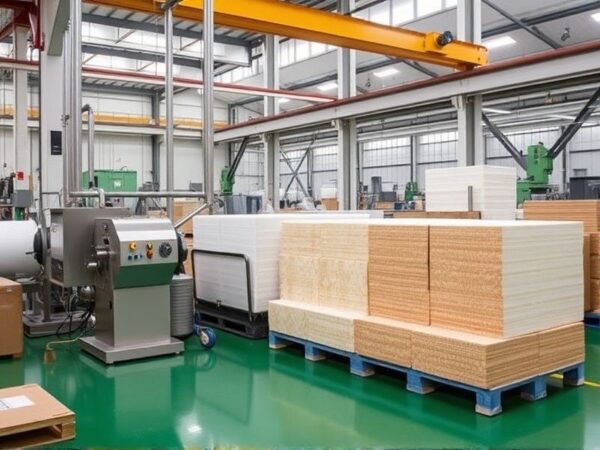
How to Manufacture WPC: From Sawdust to Sustainable Solutions
Let’s talk about making wood-plastic composites (WPC) – those magical materials turning heads in construction and furniture industries. You know those sleek decking boards that never rot? Or those outdoor chairs that laugh at rainstorms? That’s WPC doing its thing. But how do we actually make this hybrid material? Grab a coffee, and let’s walk through the process like we’re touring a factory floor together.
The Raw Material Tango
First rule of WPC club: You need the right dance partners. We’re talking wood fibers and polymers here – think of them as the Fred Astaire and Ginger Rogers of composite materials. Most manufacturers use about 40-60% wood content (sawdust, wood chips, even bamboo), paired with plastics like PE, PP, or PVC. But here’s the kicker – the exact ratio? That’s where the secret sauce comes in. Too much wood, and your product gets brittle. Too much plastic, and you lose that natural feel.
I once saw a factory in Guangdong that uses recycled grocery bags as their plastic source. Smart move – keeps costs down and gives Mother Nature a high-five. They process about 2 tons of plastic waste daily just for WPC production. Now that’s what I call turning trash into treasure!
Mixing It Up: Where Magic Happens
Ever tried making cake batter? The mixing stage in WPC production isn’t that different. We need to get those wood fibers and plastic particles playing nice. This is where twin-screw extruders come into play – imagine giant metal screws chewing through materials at temperatures hot enough to melt plastic but not burn wood (usually around 160-190°C).
Here’s a pro tip: Additives are your best friends. A dash of coupling agents (like MAPE) helps the wood and plastic bond better. UV stabilizers? Essential for outdoor products. And color masterbatches? That’s how you get those rich, fade-resistant hues. I’ve seen batches ruined by skipping the lubricant – ended up with material sticking to the extruder like gum on a hot sidewalk.
Key Parameters in Mixing
- Temperature zones: Gradual heating prevents thermal shock
- Screw speed: 200-400 RPM is the sweet spot
- Moisture content: Keep wood fibers below 3% or risk steam explosions
The Shaping Game: Extrusion vs Molding
Now comes the fun part – giving shape to our composite cocktail. About 70% of WPC products use extrusion (think continuous profiles like decking boards), while injection molding handles complex shapes (furniture components, decorative trims).
Extrusion works like a Play-Doh factory – molten composite gets pushed through dies to create specific profiles. I remember watching a line producing fencing panels at 3 meters per minute. The trick? Maintaining consistent pressure. Too low, and you get uneven surfaces. Too high, and the die might literally blow its top.
| Process | Best For | Production Speed |
|---|---|---|
| Extrusion | Decking, fencing, profiles | 2-5 m/min |
| Injection Molding | Furniture parts, complex shapes | 30-60 sec cycle time |
Cooling – The Make or Break Phase
Here’s where many newbies stumble. That freshly extruded material coming out at 80-100°C needs careful cooling. Water baths are common, but air cooling works for thicker profiles. The golden rule? Cool slowly and evenly. Rush this step, and you’ll get warped boards that look like potato chips. A factory in Ohio once had to scrap an entire batch because their cooling conveyor jammed – $20,000 lesson in proper maintenance!
Quality Control: No Room for Maybe
Good WPC manufacturing lives by the motto “Trust but verify.” We’re talking regular checks for:
- Density variations (should stay within 1.1-1.3 g/cm³)
- Water absorption (keep it under 5% for outdoor use)
- Mechanical strength (flexural strength should hit at least 20 MPa)
Most factories I’ve worked with use automated laser scanners to catch dimensional flaws. But don’t underestimate old-school physical tests. Try snapping a sample piece – good WPC should bend before breaking, not shatter like cheap plastic.
Why Bother? The Green Advantage
Let’s get real – if WPC wasn’t eco-friendly, would anyone care? Here’s the environmental scorecard:
- Uses 50-70% recycled materials
- Lasts 3-5x longer than treated wood
- Reduces deforestation pressure
A hotel chain in Florida switched to WPC decking and cut their maintenance costs by 40%. No more annual staining, no termite treatments – just occasional soap-and-water cleaning. That’s sustainability you can take to the bank.
Where WPC Shines: Real-World Applications
From backyard to boardroom, WPC’s versatility surprises people:
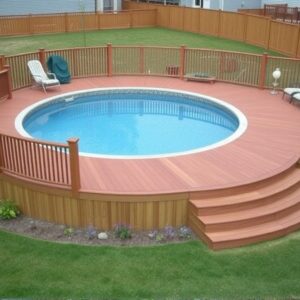
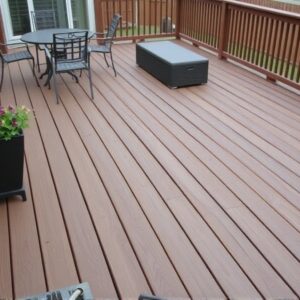
- Outdoor: Decking (60% of market), fencing, pergolas
- Interior: Wall panels, flooring substrates
- Specialty: Marine docks, sound barrier panels
Funny story – a client once asked if we could make WPC guitar bodies. Turns out, with the right additives, it works great for budget-friendly instruments with unique acoustic properties!
Production Hacks From the Trenches
Want to boost your WPC game? Here’s what veterans know:
- Pre-dry wood fibers religiously – moisture is public enemy #1
- Mix polymer types carefully (HDPE/PP blends need compatibility agents)
- Invest in carbide-lined extruder barrels – wood fibers eat steel for breakfast
One manufacturer increased output by 15% just by optimizing their screw design. Another cut energy costs 20% using infrared pre-heaters. Little tweaks make big differences in this game.
The Future Looks Composite
As we wrap up, remember WPC isn’t just another material – it’s a sustainability statement. With the global market pushing past $5 billion and growing 10% annually, mastering WPC manufacturing could be your ticket to green profits. Whether you’re making garden furniture or building the next eco-resort, this material bridges the gap between nature and technology like nothing else.
Next time you see a WPC park bench, give it a knock. That satisfying thunk? That’s the sound of innovation, sustainability, and smart manufacturing all coming together. Not bad for something made from old plastic bags and wood chips, eh?


Reviews
There are no reviews yet.