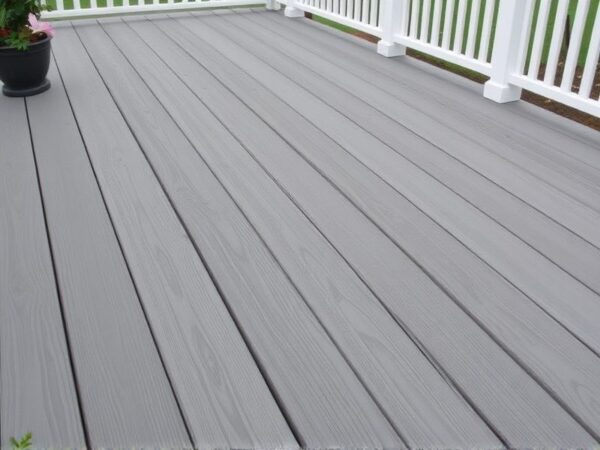
Why Gray Composite Decking Boards Are the Smart Choice for Your Outdoor Oasis

Let’s talk about the unsung hero of outdoor renovations – gray composite decking boards. If you’re tired of replacing warped wood or scrubbing mold off your patio, this might just become your new best friend. I’ve seen countless homeowners transform their spaces with this material, and honestly? The results keep surprising even me.
The Weather Warrior You Need
Remember that friend who never gets sunburned? That’s composite decking in a nutshell. These boards laugh in the face of UV rays – while traditional wood fades to a sad gray within a season, composite maintains its cool gray hue year after year. I recently checked a 5-year-old installation near the coast, and you’d swear it was put in last month.
What makes it so tough? The secret sauce is a blend of recycled plastics and wood fibers. This combo creates something that doesn’t soak up water like a sponge (looking at you, pressure-treated pine). No more worrying about spring rains turning your deck into a mushroom farm.
Weekend Time Saver
Here’s the real kicker – say goodbye to your annual deck-staining ritual. Composite decking needs about as much maintenance as a pet rock. A quick hose-down or sweep is all it takes. My neighbor Sarah switched three years ago and hasn’t touched a paintbrush since. “I actually use my deck now instead of maintaining it,” she told me last barbecue season.
Unlike wood that splinters over time, composite stays smooth. No more hunting for stray slivers with tweezers after barefoot evenings. And for those with pollen allergies? The non-porous surface wipes clean in seconds flat.
Green Without Trying Too Hard
Let’s get real – being eco-friendly shouldn’t mean compromising on style. Most quality composite boards contain 80-95% recycled materials. That milk jug you recycled last week? It might end up as part of someone’s gorgeous rooftop terrace.
What really blows my mind is the lifespan. While wood decks typically need replacing every 10-15 years, composite keeps going strong for 25 years or more. Do the math – that’s potentially two fewer decks in the landfill over your home’s lifetime.
Design Chameleon
Gray might sound boring, but it’s actually the perfect neutral. Want a modern minimalist look? Pair with black metal railings. Going for coastal vibes? Add white furniture and navy cushions. I’ve even seen it used in rustic settings with reclaimed wood accents – somehow it works every time.
The texture options alone will make your head spin. Smooth finishes for contemporary spaces, wood-grain patterns for traditionalists, even brushed textures that feel like weathered driftwood. Pro tip: Mix board widths for visual interest – it’s an easy upgrade that makes decks look custom-designed.

Putting It All Together
Installing composite decking isn’t rocket science, but there are a few tricks. First, don’t skip the understructure – proper joist spacing prevents sagging. Leave a credit card-width gap between boards for expansion. Oh, and invest in color-matched fasteners – visible screws are the adult version of socks with sandals.
Maintenance-wise, just keep it simple:
– Blow leaves off regularly (your excuse to buy that leaf blower)
– Wipe up spills before they stain (red wine happens)
– Avoid dragging heavy metal furniture (use felt pads)
How It Stacks Up
Let’s play material match-up:
| Material | Lifespan | Yearly Maintenance | Cost Over 20 Years |
|---|---|---|---|
| Pressure-Treated Wood | 10-15 years | 30+ hours | $$$ |
| Composite | 25+ years | 2-5 hours | $$ |
See that long-term cost difference? That’s vacation money right there. And let’s not forget the time savings – what would you do with an extra 30 hours every year?
Real People, Real Spaces
Take the Johnsons’ lakeside cabin. After replacing their rotting wood deck for the third time, they switched to gray composite. Three winters later? Still looks brand new despite ice, snow, and constant foot traffic from wet swimsuits.
Or Maria’s rooftop terrace in the city – she wanted low-maintenance but hated the look of concrete. The gray composite gave her that urban loft feel without the upkeep nightmares. “It’s like having a vacation spot on my roof,” she says.
Common Hiccups (And How to Avoid Them)
Even superheroes have weaknesses. Composite can get hot in direct sun – light gray stays cooler than dark shades. If you live in Death Valley, maybe add a pergola. Some cheaper boards can stain if you leave the grill drippings too long – just clean as you go.
And that initial cost? Yeah, it’s more than pressure-treated wood upfront. But factor in stain, sealant, and replacement costs over time, and it becomes a no-brainer. Think of it as the Netflix subscription of decking – pay more monthly for convenience, save long-term.
Final Thoughts
At the end of the day, gray composite decking boards are like that reliable friend who always shows up – low drama, easy to be around, and always looks good. Whether you’re creating a cozy fire pit area or a sleek outdoor dining space, it adapts to your life instead of the other way around.
Still on the fence? Grab some samples from your local supplier. Feel the texture, see how the color changes in different light, imagine never sanding again. Your future self, relaxing on a splinter-free deck with a margarita in hand, will thank you.

Reviews
There are no reviews yet.