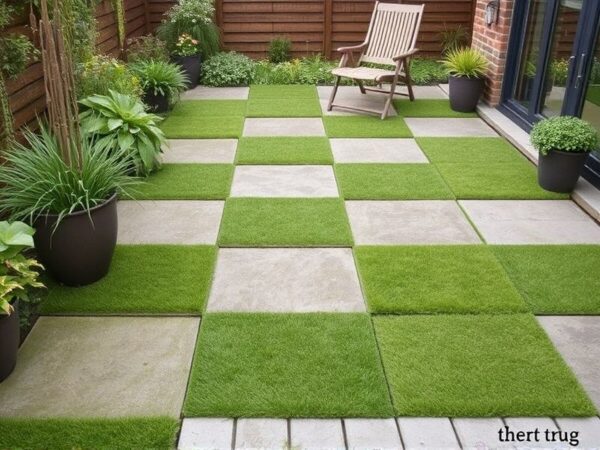
Grass Patio Tiles: Where Nature Meets Your Morning Coffee
Who Knew Your Patio Could Breathe?
Let’s be real – traditional patios often feel like we’re building concrete prisons for our outdoor spaces. Ever wish your patio could feel more like a garden? That’s where grass patio tiles come strutting in like nature’s own puzzle pieces. These interlocking grids aren’t your grandma’s lawn – they’re the secret sauce for creating living floors that laugh in the face of heavy foot traffic while keeping things green.
The Unlikely Superpowers of Grass Tiles
I first discovered these bad boys when a client wanted a dog-friendly patio that wouldn’t turn into a mud pit. Three years later? Their golden retriever’s zoomies haven’t made a dent. The secret? These tiles use tough-as-nails recycled plastic grids that cradle real grass or artificial turf. We’re talking about supporting patio furniture without breaking a sweat – some can handle over 500 pounds per square foot!
Eco-Warrior Credentials
Here’s the cool part – while traditional pavements send rainwater rushing to storm drains, grass tiles let the earth drink up. I’ve seen properties reduce runoff by about half compared to concrete slabs. Bonus points? They act like natural AC – surface temps stay 15-20°F cooler than regular pavers during summer cookouts.
Installation That Won’t Ruin Your Weekend
Remember that time you tried laying brick pavers and ended up with a crooked mess? Grass tiles are the IKEA furniture of outdoor flooring. Most DIYers can knock out a 10×10 area in an afternoon with just:
– A rubber mallet
– Some landscape fabric
– Your choice of filler (grass, gravel, or sand)
Pro tip: Leave 1/8″ gaps between tiles – they’ll expand and contract without buckling.
Keeping It Fresh
Here’s the good news: keeping your grass tiles looking fresh is simpler than you might think. For natural grass versions:
– Quick weekly mow (set blades high)
– Monthly rinsing to prevent debris buildup
– Annual topdressing with compost
Artificial turf users? A leaf blower once a month does wonders. Had a client spill red wine on theirs last summer – dawn dish soap and warm water had it looking new in minutes.
Style Chameleons
These aren’t just for suburban backyards. Last fall, we used alternating grass and stone tiles to create a checkerboard effect for a rooftop bar. The result? Customers literally stopped to take Instagram pics of the floor. Other killer combos:
– Modern minimalist: Crisp white gravel infill with clean-lined furniture
– Cottagecore: Clover-filled tiles interspersed with flagstone
– Urban jungle: Artificial turf tiles with built-in LED edge lighting
How They Stack Up
| Feature | Grass Tiles | Concrete | Wood Decking |
|---|---|---|---|
| Installation Time | 1-2 days | 3-5 days | 2-4 days |
| Eco-Friendliness | ★★★★★ | ★★☆☆☆ | ★★★☆☆ |
| Lifespan | 10-15 years | 20-30 years | 8-12 years |
Real World Magic
Take the Smithson project – a sloped backyard that turned into a muddy nightmare every spring. We installed grass tiles at a 45-degree angle to create terraced “steps” filled with drought-resistant grass. Two years later? Kids play there daily, and the drainage issues vanished. Total cost was about 20% less than rebuilding with retaining walls.
When to Think Twice
Now, I love these tiles, but they’re not magic beans. Heavy shade areas might struggle with natural grass growth. If you’re in bear country (yes, really), the plastic grids can attract curious claws. Always check local codes – some HOAs get weird about “non-traditional” surfaces.
The Bottom Line
At the end of the day, grass patio tiles are like the Swiss Army knife of outdoor design. They solve drainage issues, add instant greenery, and create spaces that feel alive. Are they perfect? Nope. But for balancing practicality with that lush greenery underfoot? They’re hard to beat. Next time you’re staring at that sad concrete slab, ask yourself – could your patio use a little more life?
Reviews
There are no reviews yet.