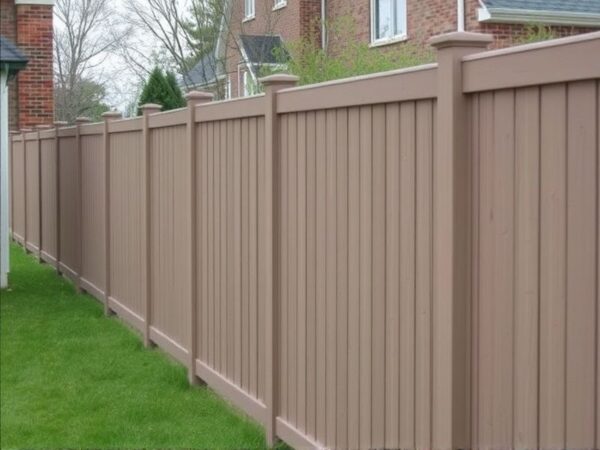
Fire-Resistant Composite Fencing Solutions: When Safety Shakes Hands With Durability

Why Your Backyard Might Need a Firefighter Fence
Let’s cut to the chase – if you’re living in wildfire country, your fence shouldn’t double as kindling. That’s where fire-resistant composite fencing struts in like a superhero. Unlike traditional wood that practically waves a white flag at the first spark, these modern marvels are built to put up a fight. But how exactly do they work? And are they really worth the investment? Let’s break it down without the technical jargon.
The Secret Sauce Behind Fireproof Fences
Picture this: recycled plastic bottles and sawdust going through a high-tech makeover. That’s essentially the starting point for composite fencing. But here’s the kicker – manufacturers mix in special flame-retardant additives during production. These aren’t your grandma’s baking ingredients; we’re talking about mineral-based compounds that create a protective barrier when things heat up.
I recently visited a factory where they test these materials (yes, they actually set fences on fire for science!). The composite version resisted full combustion for over 20 minutes – long enough to potentially save a property during fast-moving wildfires. Traditional wood? Let’s just say it turned into a Roman candle within minutes.
Fire Ratings Decoded: What Those Numbers Actually Mean
When we say “fire-resistant,” we’re not just blowing smoke. These fences meet strict standards like Class A fire ratings, which means they:
- Limit flame spread to under 6 feet
- Generate minimal smoke
- Self-extinguish when the heat source is removed
Here’s a real-world comparison that might surprise you:
| Material | Ignition Time | Flame Spread | Smoke Production |
|---|---|---|---|
| Untreated Wood | Under 2 minutes | Rapid | Heavy |
| PVC | 3-5 minutes | Moderate | Toxic fumes |
| Composite | 15+ minutes | Slow | Low |
Remember that time your neighbor’s fence went up like a tiki torch during last year’s fireworks mishap? Composite fencing could’ve bought crucial time for firefighters to respond.
More Than Just Flame Resistance
While we’re all here for the fire safety, these fences bring some serious bonus features:
- No warping or splitting like wood
- Resists those ugly mold patches
- Handles temperature swings like a champ
- Looks sharp year-round without staining
A homeowner in Colorado told me: “After the Marshall Fire, our composite fence stood while others turned to ash. Now three neighbors have installed the same.” That’s the kind of real-world proof that makes insurance companies sit up and take notice.
Installation Gotchas You Should Know
Even superheroes have their kryptonite. While composite fencing is tough, improper installation can undermine its fire resistance. Here’s my pro tip: always use the manufacturer’s recommended brackets and leave proper expansion gaps. I’ve seen DIY disasters where people used flammable sealants – basically undoing all that fire-resistant goodness!
When Mother Nature Throws a Curveball
Let’s talk maintenance – or should I say, the lack of it. Unlike wood that needs annual treatments, composite fencing stays fire-ready with just occasional rinsing. But here’s a dirty little secret: accumulated debris can become a fire hazard. A quick sweep around the base during dry seasons makes a big difference. Think of it like brushing your teeth – simple prevention goes a long way.
Navigating the Red Tape
Before you get too excited, check your local fire codes. Some areas in California now require Class A rated fencing within 30 feet of structures. The good news? Many composite products already exceed these requirements. I recently helped a client in Oregon navigate these regulations – turns out their composite fence actually lowered their home insurance premium!
Cost vs. Peace of Mind
Yes, composite fencing costs more upfront. But let’s crunch numbers differently. A wood fence might need replacement after 10-15 years (sooner in fire zones). Composite lasts 25+ years with zero maintenance costs. When you factor in potential fire damage prevention, it’s like buying an insurance policy that pays dividends in safety.
Final thought: In our new era of climate uncertainty, isn’t it worth investing in solutions that protect both our homes and peace of mind? As one fire captain told me during an interview: “Every minute a structure resists ignition gives us 60 more seconds to save lives.” That’s the real value hiding in those unassuming composite planks.


Reviews
There are no reviews yet.