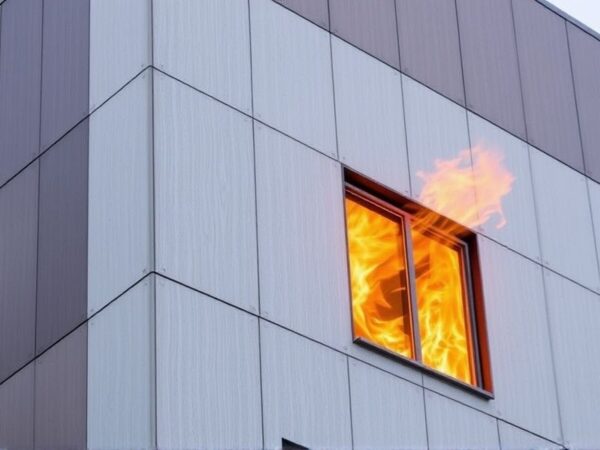
Fire-Resistant Composite Cladding: Understanding Fire Ratings for Enhanced Building Safety
Why Fire Ratings Aren’t Just a Box to Check
Let’s cut to the chase – when it comes to cladding, fire safety isn’t something you want to gamble on. Remember the Grenfell Tower tragedy? That nightmare scenario changed how we think about building materials forever. Today’s composite cladding isn’t your grandpa’s aluminum siding. These modern systems pack serious fire-resistant tech, but here’s the kicker: not all products are created equal. The fire rating difference between a “meets code” panel and a truly high-performance one could literally save lives (and your insurance premiums).
The Science Behind the Safety
So what makes these panels tough against flames? Picture a high-tech sandwich. The outer layers are usually aluminum (which doesn’t catch fire easily), but the real MVP is the core. Premium brands use mineral-filled cores that can withstand temperatures hot enough to melt regular plastics. I’ve seen test videos where these panels hold up against blowtorch flames for over an hour – pretty wild compared to older PVC-based materials that go up like matchsticks.
Decoding Those Confusing Test Standards
Alright, let’s talk testing – because “fire-resistant” means different things in different countries. In the US, they swear by ASTM E84 (think of it like a school fire drill for building materials). Europe rolls with EN 13501, which is more like a military obstacle course. The numbers matter: a Class A rating (flame spread index under 25) is what you want for high-rises. Pro tip: Always ask for third-party certification reports. I once worked with a developer who nearly got burned (pun intended) by fake test certificates from a shady supplier.
Real-World Firefighters
Take Sydney’s Opera House renovation – they used Class A composite panels specifically because harbor winds can turn small fires into disasters. Or that new London apartment complex near the Tube station? Their insurance dropped 15% after switching to high-rated cladding. It’s not just skyscrapers either. My cousin’s mountain cabin survived a wildfire thanks to fire-resistant siding – while three neighbors lost everything.
Cladding Showdown: New vs Old Materials
| Feature | Modern Composite | Traditional Aluminum | Vinyl Siding |
|---|---|---|---|
| Fire Resistance | ★★★★★ | ★★★☆☆ | ★☆☆☆☆ |
| Maintenance | Every 5-7 years | Yearly | Bi-annual |
| Cost Over 10yrs | $$ | $$$ | $ (but higher fire risk) |
Keeping Your Cladding in Fighting Shape
Here’s where most people mess up: installation and maintenance. Even the best panels can fail if they’re not installed with fire-rated sealants. I visited a site last summer where workers used regular silicone – big no-no. For maintenance, pressure washing twice a year prevents debris buildup (which can actually feed fires). And please – no storing propane tanks against the cladding! You’d be shocked how often that happens.
When the Law Meets Flames
Regulations are getting teeth. California’s Title 24 now requires Class A for all commercial buildings. In the UK, the Building Safety Act makes architects personally liable for material choices. But here’s the loophole everyone’s missing: some jurisdictions give tax breaks for exceeding fire ratings. A client in Texas saved more on taxes than they spent upgrading their cladding – smart move!
Design Without Compromise
“But won’t fire-safe mean ugly?” Tell that to the Dubai design firm creating iridescent fire-resistant panels. Modern composites come in wood-look, metallic finishes, even custom prints. The trick is specifying thickness early – those cool 3D textures need proper fire-rated backing. I’m working on a beach house project where we’re using wave-patterned cladding that meets maritime fire codes. Who says safety can’t be stylish?
The Insurance Game-Changer
Here’s the dirty secret insurance companies don’t advertise: Your cladding’s fire rating directly impacts premiums. For a mid-sized apartment building, upgrading from Class B to Class A could save $20k+ annually. But watch out – some insurers require annual fire inspections. Pro move: Get your cladding installer to provide a 10-year warranty that includes inspection reports. It saved my client $150k in coverage last year.
Your Action Plan
1. Demand current test certificates (not older than 2 years)
2. Check local regulations AND future-proof for upcoming codes
3. Factor in 10% extra for fire-rated accessories
4. Interview multiple installers – ask about their firestop techniques
5. Document EVERYTHING for insurance purposes
At the end of the day, fire-rated cladding isn’t just about compliance. It’s about sleeping soundly knowing your building won’t become tomorrow’s headline. And hey – that peace of mind? Priceless.

Reviews
There are no reviews yet.