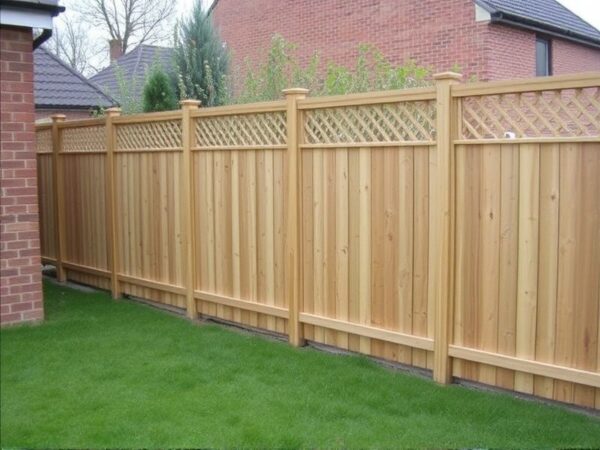
Why Vinyl Fencing and Panels Are Stealing the Show in Modern Landscaping
The Low-Maintenance Revolution
Let’s be honest – nobody wants to spend their weekends sanding and repainting fences. That’s where vinyl fencing systems really shine. Unlike traditional wood that warps after a few rainy seasons or metal that starts rusting when you blink, these modern panels laugh in the face of weather changes. I’ve seen vinyl fences go a decade without needing more than an occasional hose-down, while my neighbor’s wooden fence needed replacement boards after just three winters.
Customization That Actually Looks Good
Remember when “plastic fence” meant those cheap white pickets that yellowed in the sun? Those days are gone. Today’s vinyl fencing comes in rich cedar tones, sleek grays, and even textured finishes that mimic real wood grain. A client recently used matte black panels to create a modern geometric pattern around their pool – you’d swear it was wrought iron until you touched it!
Installation: Easier Than IKEA Furniture?
While I wouldn’t recommend DIY for large projects (those panels get surprisingly heavy), vinyl fencing systems snap together like giant LEGO blocks compared to other materials. No concrete curing for days or wrestling with warped wood planks. Pro tip: Make sure your installer uses UV-stabilized posts – it makes all the difference in keeping your fence looking sharp year after year.
Where Vinyl Really Earns Its Keep
Let’s talk real-world uses. That young family down the street? They chose 8-foot vinyl panels for backyard privacy without the “prison wall” look. My favorite application last year was using shorter scalloped panels to create a charming garden border that keeps rabbits out but lets the flowers shine. And for homes near busy roads? The sound-dampening quality is noticeable – one customer reported their backyard noise levels dropped by about half.
The Wood vs. Metal Showdown
Here’s the deal: wood has that classic charm but demands constant upkeep. Metal’s great for security but turns into an oven in summer sun. Vinyl fencing? It’s like the Goldilocks solution – just right for most situations. Price-wise, you’ll pay about 20% more upfront than wood, but when you factor in zero maintenance costs? You’ll break even in 5-7 years.
Eco-Friendly Without the Tree-Hugger Vibe
Surprise! Modern vinyl fencing contains recycled materials and is fully recyclable at the end of its life (which could be 30+ years). Compared to pressure-treated wood that leaches chemicals into the soil? It’s a no-brainer for eco-conscious homeowners. Most manufacturers now use lead-free stabilizers too – important if you’re growing veggies near the fence line.
What You Should Really Know Before Buying
Not all vinyl is created equal. Look for thickness ratings – I recommend panels at least 0.75″ thick for privacy fencing. Watch out for cheap hollow-core posts that can warp. And about colors? Darker tones hold up better in sunny areas. Oh, and that “vinyl expands in heat” myth? Modern interlocking systems account for temperature changes – just leave the expansion gaps your installer recommends.
Real People, Real Results
Take the Johnsons – they replaced their rotting wood fence with vinyl panels three years ago. Last winter’s ice storm? Their fence didn’t budge while half the neighborhood’s wood fences needed repairs. Or the coffee shop that used decorative vinyl panels for their outdoor seating – they’re wiping down spills instead of refinishing wood every season.
When Vinyl Might Not Be Your Best Bet
Let’s keep it real – if you’re going for that rustic split-rail look, wood still wins. And in extreme wind areas, you might want metal reinforcements. But for 90% of residential needs? Vinyl fencing systems deliver that sweet spot of style, durability, and practicality. Just don’t let your dog chew on the posts – while durable, they’re not indestructible!



Reviews
There are no reviews yet.