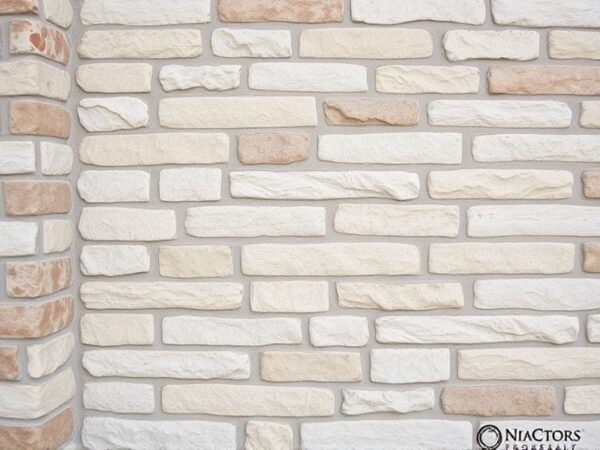
Fiber Cement: The Smart Choice for Your Home’s Exterior Wall Material
Let’s talk about what’s really protecting your home from the elements. While most people focus on paint colors or window styles, the real hero of your house’s exterior is that outer shell holding everything together. Today we’re diving into why fiber cement siding has become the go-to exterior wall of house material for architects and homeowners alike – and why your neighbor Jim might be secretly jealous of your upcoming renovation.
What Exactly is Fiber Cement?
Imagine mixing the toughness of concrete with the flexibility of wood fibers – that’s fiber cement in a nutshell. Developed in the 1980s as a durable alternative to traditional materials, it’s made from cement, sand, cellulose fibers, and water. The manufacturing process involves pressing these ingredients into boards under high pressure, then curing them in special chambers. What comes out is a product that laughs in the face of termites and shrugs off heavy rain like it’s nothing.
Why It Outshines Old-School Options
Remember when vinyl siding was all the rage? It still warps in extreme heat. Traditional wood cladding? A feast for carpenter ants. Fiber cement sidesteps these issues completely. Compared to wood, it’s about as flammable as a brick wall (more on that later). Unlike vinyl that can melt in wildfire-prone areas, fiber cement maintains its shape even when temperatures soar. And unlike stucco that cracks over time, this material expands and contracts with seasonal changes without splitting.
Quick Comparison: Exterior Wall Materials
Maintenance Needs:
Wood: Annual sealing
Vinyl: Occasional washing
Fiber Cement: Almost none
Lifespan Estimate:
Vinyl: 20-30 years
Wood: 15-25 years
Fiber Cement: 30-50+ years
Built to Last Through Anything
Last summer, a client in Florida had their fiber cement exterior survive a Category 3 hurricane with nothing but a few scratches. That’s the kind of weather resistance we’re talking about. The material doesn’t absorb moisture like wood, so it won’t rot or swell. Fire resistance is another huge plus – most fiber cement products carry a Class A fire rating, meaning they can withstand exposure to severe fire for up to an hour without failing.
Installation Tips You’ll Want to Know
Now, I won’t sugarcoat it – fiber cement isn’t a DIY weekend project. The boards are heavier than vinyl, requiring special cutting tools to avoid creating silica dust. Proper flashing around windows and doors is crucial. But once installed correctly? You’re looking at decades of minimal maintenance. A quick power wash once a year keeps it looking fresh, and unlike wood, you’ll never need to repaint if you choose pre-finished boards.
Making It Your Own
Here’s where it gets fun. Modern fiber cement can mimic everything from rustic cedar shakes to smooth contemporary panels. Manufacturers offer over 200 color options these days, with textured finishes that feel surprisingly authentic. I recently worked on a Craftsman-style home where even the carpenters did double-takes thinking the fiber cement siding was real wood.
Real Homeowner Experiences
“We chose fiber cement after our wood siding needed replacement after just 12 years. Five years in, it still looks brand new despite our harsh New England winters.” – Sarah K., Vermont
“Best decision we made during renovation. Our insurance premium actually decreased because of the fire rating.” – Mark T., California
Cost Considerations That Might Surprise You
Let’s talk numbers. Upfront, fiber cement costs about 20% more than vinyl but 30% less than natural stone. However, when you factor in its 50-year lifespan and near-zero maintenance costs, it becomes one of the most economical choices over time. Most manufacturers offer warranties spanning 30-50 years – something you’ll never get with traditional wood siding.
Green Credentials That Matter
If sustainability’s your jam, you’ll appreciate that fiber cement contains recycled materials (up to 20% in some brands) and doesn’t require the chemical treatments of pressure-treated wood. Several major brands now carry LEED certification points, making them ideal for eco-conscious projects. Plus, its longevity means less frequent replacements compared to other exterior wall of house materials.
Style Chameleon
Whether you’re restoring a Victorian or building a sleek modern box, fiber cement adapts. I’ve used it to recreate intricate 19th-century lap siding patterns and to create razor-sharp contemporary facades. The material takes paint beautifully, allowing for custom color matching that stays vibrant much longer than on traditional wood surfaces.
What’s New in Fiber Cement Tech
The industry isn’t resting on its laurels. Recent innovations include integrated waterproof membranes that make installation even more weatherproof, and lighter-weight formulations that are easier to handle. Some manufacturers are even embedding ceramic nanoparticles into the material for enhanced UV resistance, preventing color fading in intense sunlight.
Pro Tip:
When choosing fiber cement, look for boards with integrated color through the entire material (not just surface-coated). This prevents chips and scratches from showing dramatically different colors.
Is It Right for Your Home?
If you’re in a region with extreme weather, wildfire risks, or just want a low-maintenance exterior that looks great for decades, fiber cement deserves serious consideration. While the initial investment is higher than basic vinyl, the long-term benefits make it a smart choice for homeowners planning to stay put for 10+ years. For historic homes, check local regulations – some preservation boards now approve certain fiber cement products as authentic-looking alternatives to original materials.
At the end of the day, your home’s exterior wall material needs to work as hard as you do protecting what’s inside. With its combination of durability, design flexibility, and sensible maintenance needs, fiber cement might just be the upgrade your house has been waiting for.


Reviews
There are no reviews yet.