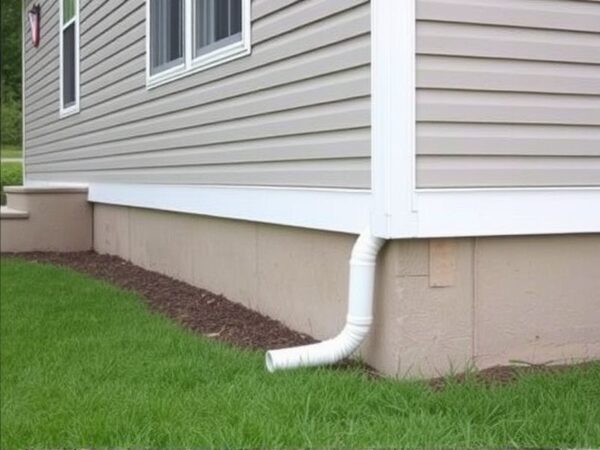
Why Your Home Needs Exterior House Skirting (And How to Get It Right)
The Unsung Hero of Home Protection
Picture this: You’ve just finished repainting your home’s exterior when you notice something odd near the foundation. A family of raccoons has turned the gap beneath your porch into their personal AirBnB. This exact scenario happened to my neighbor Dave last spring – and it’s why we’re talking about exterior house skirting today. More than just decorative trim, this hidden workhorse does everything from keeping critters out to slashing your energy bills.
What Does Skirting Actually Do?
Let’s cut through the jargon. Good exterior house skirting solves three big headaches homeowners face:
1. Pest Control: That 6-inch gap under your mobile home? It’s basically a critter highway. Proper skirting creates a physical barrier that deters everything from rodents to snakes. (Trust me, you don’t want to discover either during Sunday brunch.)
2. Insulation Boost: Ever feel drafts coming through the floor? Quality skirting acts like a thermal blanket, reducing heat loss by up to 15% according to energy auditors I’ve worked with.
3. Foundation Defense: Moisture is concrete’s worst enemy. By directing water away, skirting helps prevent costly foundation repairs down the line.
Material Showdown: What’s Worth Your Money?
Here’s where things get interesting. I recently helped a client choose skirting for their lake house, and the material choice made a $3,000 difference in both cost and long-term maintenance. Let’s break down the top contenders:
| Material | Cost (per sq.ft) | Durability | Maintenance |
|---|---|---|---|
| Vinyl | $4-8 | 15-25 years | Wipe clean |
| Aluminum | $6-12 | 20-30 years | Occasional wash |
| Wood | $10-18 | 10-15 years | Annual sealing |
Pro tip: For coastal areas, aluminum’s rust resistance beats vinyl. But in fire-prone regions? That powder-coated metal might get too toasty. There’s no one-size-fits-all answer here.
Style That Doesn’t Sacrifice Substance
Remember that client with the lake house? They initially wanted basic white vinyl until I showed them textured wood-grain panels. The result? Their 1980s ranch now looks like a modern craftsman retreat. Here’s how to nail the look:
– Match your existing trim color for cohesion
– Use vertical lines to make manufactured homes appear taller
– Add decorative vents that look like architectural details
Installation: DIY or Call the Pros?
Last summer, I helped my brother-in-law install his own skirting. Three weekends and two trips to Home Depot later, we learned some valuable lessons:
1. Measure twice, cut once: Account for ground slope and expansion gaps
2. Foundation first: Always install a solid base rail
3. Ventilation matters: 1 sq.ft of vent per 150 sq.ft space
4. Access panels: You’ll thank yourself when pipes need maintenance
Real Homeowners, Real Results
Take Mary from Texas. After adding insulated aluminum skirting to her 1970s mobile home, her winter heating bills dropped by nearly 20%. Even better? When she sold last year, the appraiser noted the skirting added about $7,000 to her home’s value.
Or consider the Johnson family in Florida. Their new hurricane-rated skirting survived last year’s storm season unscathed, while neighbors spent thousands replacing damaged latticework.
Making the Smart Choice
At the end of the day, exterior house skirting isn’t just about covering ugly foundations. It’s about protecting your biggest investment. Whether you’re battling Minnesota winters or Arizona heat, the right skirting solution pays dividends in comfort, savings, and peace of mind.
Still on the fence? Ask yourself: When was the last time you thought about your home’s underside? If the answer is “never,” maybe it’s time to give that unsung hero some attention.



Reviews
There are no reviews yet.