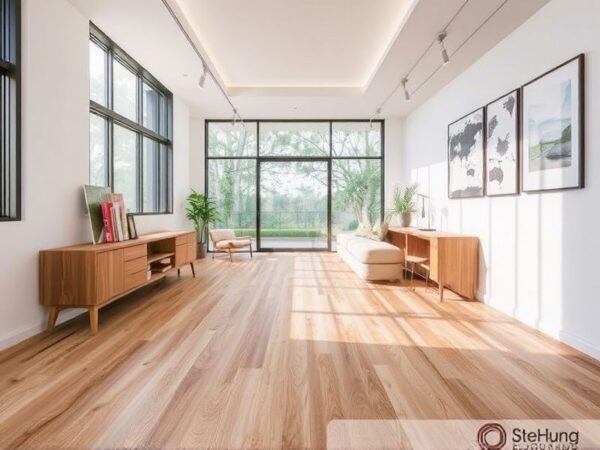
Why Environmental WPC Flooring Is Taking Over Modern Homes (And How You Can Join the Trend)
The Green Flooring Revolution You Can’t Ignore
Let’s talk about the elephant in the room – traditional flooring options are getting a serious eco-makeover. Enter environmental WPC flooring, the rockstar of sustainable interior design. Why are homeowners and designers going crazy over this stuff? Well, imagine flooring that looks like premium wood, feels like wood, but laughs in the face of water damage. That’s WPC for you – Wood Plastic Composite, but way cooler than it sounds.
What Makes This Flooring So Special?
Picture this: About half of what’s in these planks comes from recycled wood fibers and plastics. That old milk jug you recycled last week? It might end up as part of someone’s gorgeous living room floor. Unlike traditional wood floors that require cutting down trees every 15-20 years, WPC gives existing materials a second life. Plus, most manufacturers are now using non-toxic adhesives – no more worrying about that “new floor smell” lingering for weeks.
The Superpowers You Didn’t Know Flooring Could Have
Let me paint you a scenario. Your kid spills an entire juice box on the floor. With regular hardwood, you’d be in full panic mode. With WPC? Grab a paper towel and wipe it up. These floors can handle spills like a champ for hours without warping. They’re also tougher than your average laminate – no more fretting about pet claws or dropped pans. I’ve even seen some commercial spaces using them in high-traffic areas that get hundreds of footsteps daily!
Style That’ll Make Your Neighbors Jealous
Remember when “eco-friendly” meant compromising on looks? Those days are gone. Modern WPC comes in everything from rustic oak textures to sleek marble finishes. A friend of mine recently installed gray washed “wood” planks in her coastal-themed café – customers keep asking if it’s reclaimed barn wood! The secret? Advanced printing tech that creates incredibly realistic grain patterns and color variations.
Installation: Easier Than Assembling IKEA Furniture
Here’s where WPC really shines. Most systems use simple click-lock mechanisms – if you can put together puzzle pieces, you can install this flooring. I helped my cousin do his basement last summer, and we had the whole area done over a weekend. No messy adhesives, no special tools needed. Just make sure your subfloor is relatively level (we’re talking about 3mm variance over 10 feet, nothing too crazy).
Keeping It Looking Fresh
Maintenance? Please. A quick sweep and occasional damp mop are all it takes. Unlike real wood, you don’t need special cleaners – just mix some vinegar and water if you’re feeling fancy. Pro tip: Wipe up pet accidents quickly. While the floors are waterproof, letting stains sit too long might require some extra scrubbing.
Where Does This Flooring Work Best?
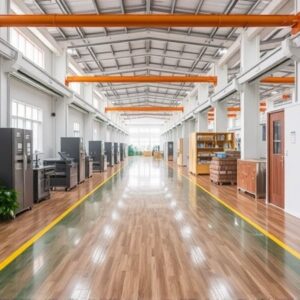
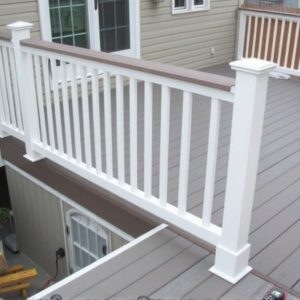
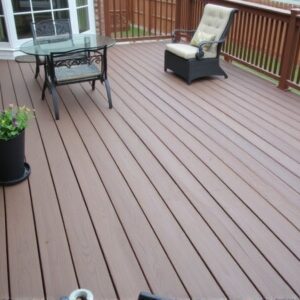
Let me count the ways… Basements that used to be no-man’s-land because of moisture? Perfect for WPC. That sunroom that fades traditional floors? Covered. I’ve even seen it used in rooftop gardens and pool decks (though check your specific product’s ratings first). Commercial spaces love it too – local yoga studios are switching over because it’s softer underfoot than tile during those downward dogs.
How It Stacks Up Against the Competition
Let’s be real – everyone wants to know about cost. While WPC might cost a bit more upfront than basic laminate, think long-term. No refinishing costs. No replacement from water damage. Over 5-7 years, you’ll likely come out ahead. Compared to luxury vinyl? Similar price range, but WPC feels more substantial underfoot. Against real hardwood? We’re talking about half to two-thirds the price, without the maintenance headaches.
What You’re Really Paying For
Typical WPC planks run about 5-7mm thick for residential use, while commercial grades go up to 8mm. The wear layer (that protective top coat) usually measures around 0.3-0.7mm – thicker means more protection but higher cost. Most decent residential options can handle temperatures from about -20°F to 140°F. And before you ask – yes, it works with radiant heating systems as long as surface temps stay below 85°F.
Real Talk: When It Might Not Be Perfect
Let’s keep it 100% honest. While WPC is super durable, extremely heavy furniture might leave indentations over time (use felt pads!). Direct sunlight can cause some fading, though modern UV protection has gotten much better. And while it feels warmer than tile, it’s still not as cozy as real wood under bare feet in winter. But hey, that’s what slippers are for, right?
Making the Switch: What You Need to Know
If you’re sold on environmental WPC flooring (and really, why wouldn’t you be?), here’s my cheat sheet: Look for certifications like FloorScore or GREENGUARD. Ask about the recycled content percentage – good options should have at least 30-40%. Check the warranty – 15-25 years is standard for residential. And don’t be afraid to request samples. The color on your screen might not match reality, and you’ll want to feel that texture in person.
Final Thoughts: It’s More Than Just a Floor
Choosing environmental WPC flooring isn’t just about getting a pretty surface to walk on. It’s about making a choice that’s easier on the planet without sacrificing style or practicality. Whether you’re renovating a century-old home or designing a sleek new office space, this stuff bridges the gap between “eco-conscious” and “designer-approved.” Plus, think of all the time you’ll save not worrying about water rings from houseplants or panic-cleaning before guests arrive. Now that’s what I call smart living!

Reviews
There are no reviews yet.