
EcoWood Composite Decking: Durable & Low-Maintenance Outdoor Solutions
Ever wonder if your deck could survive a zombie apocalypse? Okay, maybe that’s pushing it – but when it comes to weather extremes, insect invasions, and the endless battle against rot, EcoWood composite decking comes pretty close to being indestructible. Let’s talk about why more homeowners are ditching traditional wood for this clever blend of recycled plastics and wood fibers that’s changing how we build outdoor spaces.
Why Your Backyard Deserves This Stuff
Picture this: It’s Saturday morning, and instead of scraping mold off your deck or replacing warped boards, you’re sipping coffee on a surface that looks brand new after five years. That’s the reality with wood plastic decking. Made from about 60% recycled grocery bags and sawdust that would otherwise end up in landfills, these boards are like the superhero team-up of building materials.
Remember when your neighbor’s wooden deck became termite Airbnb last summer? Composite decking laughs in the face of pests. No more chemical treatments – the plastic content makes it about as appetizing to bugs as a concrete sandwich. And rot? Forget it. These boards won’t absorb moisture even if you try to water them like houseplants.
The Numbers That Actually Matter
Let’s cut through the marketing speak. Traditional wood decks might last 7-10 years with perfect care (who has time for that?). EcoWood’s composite boards? We’ve seen them go strong for 25+ years in coastal areas where salt air eats everything. One customer in Florida has had hers through three hurricanes and still gets compliments from the HOA.
Installation’s easier than assembling IKEA furniture – if you can handle a saw and drill, you’re golden. Pro tip: Leave a nickel’s width between boards for expansion. Even though thermal movement is minimal compared to regular wood, that tiny gap prevents any “oops” moments during heat waves.
Style That Doesn’t Quit
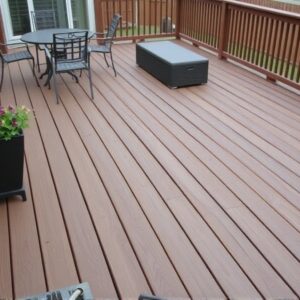
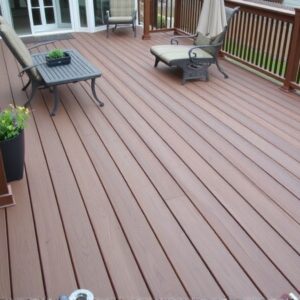
Gone are the days of “wood-look” meaning fake orange tones. Today’s wood plastic decking comes in 12 natural hues from weathered grey to rich mahogany. The textured surface even replicates real wood grain – we’ve had people kneel down to check if it’s genuine. My personal favorite is the “Driftwood” finish that makes new decks look like they’ve been there for decades.
When Green Meets Mean
Sure, it’s made from recycled materials, but what about when its life is over? Here’s the kicker – most composite decking can be recycled again. Compare that to pressure-treated wood that ends up in special landfills. Plus, certifications like EcoGuard mean you’re not getting any toxic stuff leaching into your garden.
The Money Talk
Upfront cost stings a bit – you’ll pay about 20% more than pressure-treated pine. But let’s do real math: No annual staining ($200+/year), no replacing rotten boards ($500 every few years), and insurance companies love that fire-resistant rating. The Johnson family in Ohio calculated they broke even after eight years and now pocket the savings.
FAQ: What Everyone Askes After a Few Beers
“Does it get hot?” Yeah, in direct desert sun it can – lighter colors stay cooler. “Can I power wash it?” Please don’t. A garden hose and occasional soap scrub keeps it looking sharp. “Will my dog’s claws scratch it?” Less than real wood, but if Fido’s part wolverine, maybe stick to textured finishes.
Seasonal Care Made Stupid Simple
Spring: Sweep off pollen. Summer: Wipe up burger grease ASAP. Fall: Enjoy not raking leaves off a disintegrating deck. Winter: Use plastic shovel instead of metal for snow removal. That’s about it. No more “deck care weekends” – just actual weekends.
The Verdict?
If you want a “build it and forget it” deck that looks better each year, composite’s the way to go. It’s not perfect – nothing is – but for most homeowners tired of deck maintenance nightmares, this stuff is a game-changer. Still on the fence? Go feel the samples at your local supplier. The weight and texture might surprise you – in a good way.

Reviews
There are no reviews yet.