
Durable Wood Plastic Composite Decking Solutions in Turkey: Why Everyone’s Switching
Turkey’s New Obsession With WPC Decking
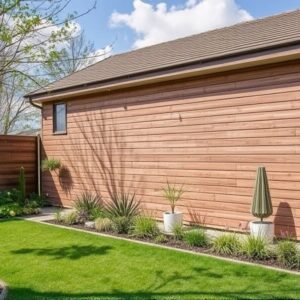
Picture this: You’re sipping çay on your Antalya balcony, watching the Mediterranean sunset. But instead of worrying about warped floorboards or splinters ruining the moment, you’re relaxing on smooth, weather-resistant decking. That’s exactly why Wood Plastic Composite Decking in Turkey is becoming the talk of construction sites and homeowners’ group chats alike.
Over the last 3-4 years, demand has shot up like Istanbul’s skyscrapers. Contractors tell me about 60% of new residential projects now specify WPC instead of traditional wood. Why? Let’s break it down the Turkish way – with practical benefits and good old common sense.
Why Your Neighbor’s Deck Looks Better After 3 Summers
Remember how your uncle’s wooden deck near Izmir turned gray and cracked after two seasons? WPC decking laughs in the face of our intense Mediterranean sun. The UV-resistant formula keeps colors vibrant for years – no more annual staining marathons before summer guests arrive.
Here’s what really seals the deal for most homeowners:
- Zero termite worries (big relief in coastal areas)
- Wipe-clean surfaces (perfect for olive pit and çekirdek accidents)
- No slippery algae growth (poolside safety first!)
Surviving Turkish Weather 101
Let’s be real – Turkey’s climate doesn’t play nice. Sweltering Aegean summers, Marmara region humidity, sudden downpours… Traditional decking materials just can’t keep up. Local WPC manufacturers have cracked the code with:
| Feature | Traditional Wood | Turkish WPC |
|---|---|---|
| Heat Resistance | Warping at 40°C+ | Stable up to 60°C |
| Water Absorption | 8-12% | Less than 1% |
| Winter Performance | Cracks in freeze | -30°C resistant |
Pro tip from an İzmir installer: “Always leave 5-8mm gaps between boards – our summer heat makes materials expand more than European brands account for!”
Local Heroes vs Imported Options
While German and Chinese brands flood the market, Turkish manufacturers are fighting back with climate-smart solutions. Ankara-based EcoDeck’s formula contains 30% local walnut shells, making boards more heat-resistant than imported alternatives. Prices run about 15-20% lower than European brands too – music to budget-conscious renovators’ ears.
But don’t write off imports completely. For historical resorts in Cappadocia needing specific color matches, Italian WPC still leads in design options. It’s all about choosing what works for your project’s needs and microclimate.
Where Turks Are Using WPC (Besides the Obvious)
Sure, everyone knows about pool decks and balconies. But check out these clever applications popping up across Turkey:
- Rooftop çay gardens in Istanbul (handles wind and pollution better than wood)
- Boat docks in Bodrum (saltwater? No problem!)
- Outdoor restaurant flooring in coastal towns (easy grease cleanup)
Installation Insider Tips
Local contractor Mehmet from Bursa shares his hard-won wisdom: “Never install in direct August sun – boards expand differently when hot. Morning or evening work prevents gapping issues later.” Other pro tips:
- Use stainless steel screws (our salty air eats regular ones)
- Slope installation slightly for winter rain runoff
- Mix board batches to avoid color variations
Eco-Cred That Actually Matters
With Turkey’s new green building codes, certifications make or deals. Look for these when choosing Wood Plastic Composite Decking in Turkey:
- TSE K215 (local durability standard)
- Blue Angel certification (for German-engineered products)
- CE marking (minimum requirement for imports)
Fun fact: Many local manufacturers now use recycled plastic from Turkish factories – turning packaging waste into beautiful decks!
Is WPC Right for You?
Let’s cut through the hype. While WPC decking costs 20-30% more upfront than pressure-treated wood, consider this: Over 10 years, you’ll save about 40% on maintenance. No more annual sanding-staining-sealing weekends lost to deck care!
Final thought: Next time you’re walking on a warped wooden pier in Çeşme, imagine how WPC could transform that space. Whether it’s a modest balcony in Ankara or a luxury villa in Alanya, this material is changing how Turks live outdoors – one splinter-free board at a time.

Reviews
There are no reviews yet.