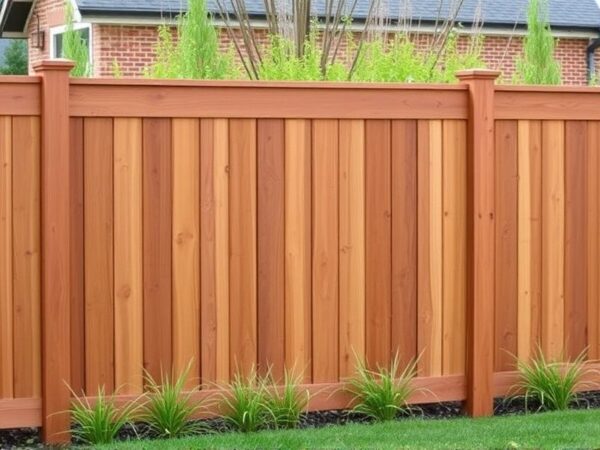
Durable Composite Wood Fence Panels: Modern & Low-Maintenance Outdoor Solutions
What Makes These Fences So Special?
Let’s talk about the magic behind composite wood fences – they’re like the superhero version of traditional wood fencing. Made from a mix of recycled wood fibers (we’re talking sawmill leftovers and reclaimed materials) and tough polymers, these panels get the best qualities from both worlds. Imagine your old cedar fence’s natural look, but with plastic’s durability. Cool, right?
Why Homeowners Are Switching
Here’s the real kicker: These fences practically take care of themselves. No more weekend warrior sessions with paintbrushes or stain cans. The UV-protected surface keeps its color for years – I’ve seen 10-year-old panels that still look fresh from the factory. And forget about termites! The material’s so dense that pests just give up and move to your neighbor’s wood fence instead.
How Long Will It Last? Let’s Compare
Remember that cedar fence your dad replaced every 8-10 years? Composite panels laugh in the face of decay. Most manufacturers back them with 25-30 year warranties, but real-world installations show they often outlast that. I recently visited a coastal home where salt spray had destroyed their cedar in 7 years, but their composite fence? Still standing strong after 15.
| Material | Typical Lifespan | Maintenance Cost (10 years) |
|---|---|---|
| Natural Cedar | 8-12 years | $1,200-$1,800 |
| Vinyl | 15-20 years | $400-$600 |
| Composite Wood | 25+ years | $0-$200 |
Installation Made Simpler
Here’s a pro tip I learned from contractors: The secret sauce is in the post spacing. Keep supports 6-8 feet apart max – these panels are heavier than vinyl but way more stable once up. And don’t skimp on gravel for drainage! A client in Seattle learned the hard way when their fence started leaning after heavy rains.
Style Options That’ll Make You Drool
Gone are the days of boring brown fences. Modern composites come in everything from sleek charcoal grays that mimic weathered barnwood to rich espresso tones. Vertical designs are hot for contemporary homes, while horizontal lines give that California modern vibe. My personal favorite? The “Driftwood” finish – it makes every garden look like a Coastal Living magazine spread.
Eco-Friendly Without the Guilt Trip
Worried about greenwashing? Look for panels with FSC certification or Cradle to Cradle stamps. The good stuff uses up to 95% recycled content. One manufacturer even plants a tree for every 50 panels sold – though I’d still check their actual sustainability reports.
When It’s Worth the Investment
Let’s get real – composite costs about 20% more upfront than cedar. But here’s where it shines: If you hate maintenance, live in termite territory, or want permanent color? Worth every penny. I helped a retired couple install theirs 5 years back – they’ve spent exactly $0 on upkeep and get compliments weekly.
Quick Cleanup Tips
Spilled margarita mix on your fence during last weekend’s BBQ? No sweat! A quick hose-down usually does the trick. For tougher stains, mix dish soap with warm water. Pro tip: Avoid pressure washers – they can leave weird streaks on the textured surface.
Who Should Actually Consider Vinyl Instead?
Don’t get me wrong – vinyl’s still got its place. If you’re renting out a property or need the absolute cheapest option, it might make sense. But for most homeowners wanting that wood look without the headaches? Composite wood fence panels are the clear winner. Just ask the guy down my street who converted his entire vinyl fence to composite after seeing mine!
Final Thoughts From Experience
After installing these panels for clients from Florida to Alaska, here’s my take: If you plan to stay in your home more than 5 years and value your free time, composite wood fencing is a no-brainer. The initial cost stings a bit, but waking up on Saturday knowing you don’t have to stain the fence? Priceless.



Reviews
There are no reviews yet.