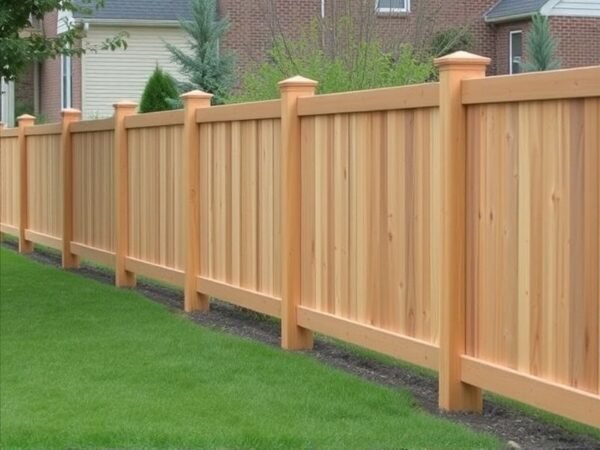
Durable Composite Fencing Posts: Low-Maintenance & Weather-Resistant Solutions
Why Your Next Fence Deserves Better Materials
Let’s be honest – maintaining wooden fences feels like a part-time job. Remember that time you spent an entire weekend scraping off peeling paint, only to watch mold creep back within months? Or maybe you’ve dealt with rusty metal posts that started sagging after a few harsh winters. That’s exactly why composite fencing posts are turning heads in both residential and commercial projects.
The Secret Sauce in Composite Posts
These modern marvels blend recycled plastics (think grocery bags and milk jugs) with wood fibers in about a 50/50 mix. Unlike traditional timber that warps when wet, the plastic component creates a moisture barrier while the wood fibers add rigidity. I’ve seen samples left submerged in water tanks for weeks that came out looking brand new – try that with regular pine!
Sunlight? Salt Air? No Sweat
Living near the coast taught me what UV rays and salty breezes can do to outdoor materials. Composite posts use built-in UV inhibitors that prevent the fading you get with cheaper plastics. A marina in Florida switched to composite posts three years ago – their dark walnut-colored fencing still matches the day it was installed, despite daily sun exposure.
| Feature | Composite | Wood | Metal |
|---|---|---|---|
| Yearly Maintenance | Just hose down | Staining/sealing | Rust treatment |
| Lifespan | 25+ years | 10-15 years | 15-20 years |
| Moisture Resistance | ★★★★★ | ★★☆☆☆ | ★★★☆☆ |
Installation Made Simpler
Here’s where composite really shines. Their consistent sizing means no more shimming uneven posts – crucial when hanging heavy gates. Most models work with standard bracket systems, whether you’re attaching horizontal rails for picket fences or vertical boards for privacy screens. Pro tip: Bury posts about 1/3 their length in concrete for gate support, and you’ll handle double gates as easily as single ones.
Eco-Friendly Without the Compromises
While we all want to be green, nobody wants flimsy “eco” products. Each 8-foot composite post contains about 500 plastic bags that would otherwise clog landfills. A community garden project in Seattle used these posts for their perimeter fence – not only did they keep construction waste out of landfills, but they’ve withstood constant rain for five years without any rot issues.
Real World Toughness
Take the case of a lakeside cabin in Minnesota. The owner switched to composite posts after replacing warped wooden ones every 3-4 years. Seven winters later, their fence still stands straight despite temperature swings from -30°F to 95°F. The kicker? They’ve saved enough on stain and labor to pay for half the fence already.
When Composite Makes Sense
While they’re not the cheapest upfront option, composite posts pay off in high-moisture areas or properties where maintenance access is tough. Perfect for:
- Beachfront homes battling salt spray
- Rental properties needing durable solutions
- Steep slopes where replacing posts is a nightmare
But They’re Not Magical…
A word of caution – composite posts have some give in extreme heat. I once saw a dark-colored fence in Arizona that developed slight bowing during a heatwave. The solution? Choose lighter colors in hot climates and allow slight expansion gaps during installation.
Making the Switch
If you’re tired of playing whack-a-mole with fence repairs, composite posts offer a smart balance of durability and eco-friendliness. They might cost 20-30% more than pressure-treated wood initially, but when you factor in decades of saved maintenance weekends? That family BBQ time becomes priceless.


Reviews
There are no reviews yet.