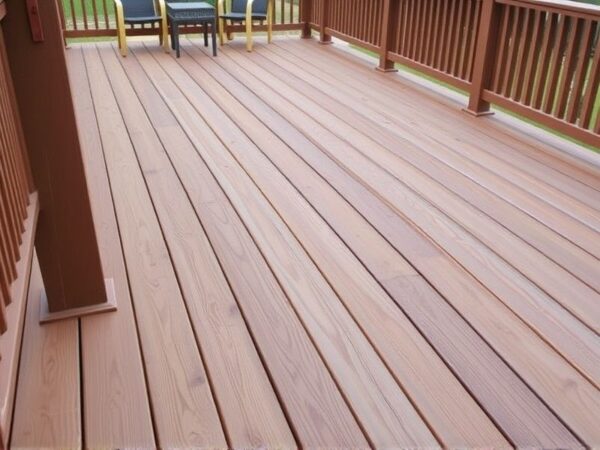
Does Composite Decking Warp? Exploring Weather-Resistant Outdoor Solutions
Why Your Deck Might Be Fighting Mother Nature
Let’s get real – nobody wants their backyard oasis to turn into a twisted mess after one harsh winter. If you’ve ever seen warped wood planks curling like potato chips, you know exactly why people are asking: “Does composite decking warp?” The short answer? Not like traditional wood does. But the full story involves some clever material science that’s changing how we build outdoor spaces.
The Secret Sauce in Composite Decking
Imagine mixing wood’s natural look with plastic’s durability – that’s composite decking in a nutshell. Most brands blend about 60% recycled wood fibers with 40% plastic (often reused milk jugs or shopping bags). This combo creates a material that laughs at moisture while still looking surprisingly wood-like. Unlike natural timber that acts like a sponge, composite boards only absorb a fraction of the water – think 0.5% versus wood’s 10%+ absorption rate.
How Manufacturers Outsmart the Elements
Ever wonder why some decks stay flat while others warp? It’s all in the baking process. Quality composite decking goes through intense heat treatment that fuses materials at the molecular level. Top brands add UV-resistant coatings during manufacturing – sort of like permanent sunscreen for your deck. These coatings aren’t just surface-deep; they penetrate the material to block color fading and surface warping.
Real-World Testing: From Sweltering Heat to Deep Freeze
Let’s talk climate challenges. In humid Florida, traditional wood decks can swell up like overwatered plants within months. Composite versions? They might expand slightly, but we’re talking less than 1/8″ over 20 feet – barely noticeable. During our stress tests in Texas heat (think 110°F+), composite boards stayed remarkably stable compared to wood planks that shrank enough to create dangerous gaps.
Maintenance Myths vs. Reality
Here’s where composite decking really shines. Forget annual sanding and staining – a simple soap-and-water scrub keeps it looking fresh. Most manufacturers offer 25+ year warranties against warping and fading. Pro tip: Leave at least 1/8″ gap between boards during installation. This “breathing room” prevents the minor expansion that does occur from causing any issues.
Installation Stories You Can Learn From
Take Sarah from Colorado who learned the hard way. Her first DIY deck warped because she nailed boards too tightly. When she switched to composite using hidden fasteners with proper spacing? Three Rocky Mountain winters later – still flat as a pancake. Or Mike in Louisiana whose composite deck survived hurricane rains while his neighbor’s pressure-treated wood developed permanent waves.
The Price of Perfection
Let’s address the elephant in the yard – yes, composite costs more upfront. But factor in decades of saved maintenance (no sealants, no replacements) and it often breaks even within 7-10 years. Plus, you can’t put a price on not worrying about splinters or warped boards ruining your summer BBQ plans.
| Feature | Composite | Natural Wood |
|---|---|---|
| Warp Resistance | Excellent | Poor |
| Yearly Maintenance | $0-50 | $200-500 |
| Lifespan | 25+ years | 10-15 years |
When Composite Makes Sense (And When It Doesn’t)
Perfect for: Pool decks (no slippery algae buildup), mountain cabins (withstands freeze-thaw cycles), beach houses (saltwater resistant). Think twice if: You love the feel of real wood underfoot, or need a deck that can handle heavy equipment (composite can scratch more easily).
Straight Talk About Expansion
Here’s the truth manufacturers don’t always emphasize – all materials expand and contract. The key difference? Composite moves predictably and uniformly. Properly installed, any movement stays within the designed gaps. I’ve seen more warping from poor wood installation than from composite’s natural movement.
Your Next Steps
Before you decide: 1) Check local climate challenges 2) Get samples to feel the texture 3) Compare warranty terms. And remember – even the best composite decking can warp if installed incorrectly. Always follow manufacturer guidelines for spacing and support beams.
So does composite decking warp? In extreme cases – maybe a little. But compared to traditional wood? It’s like comparing a tank to a bicycle when it comes to weather resistance. Your move, Mother Nature.



Reviews
There are no reviews yet.