Does Composite Decking Get Hot? Exploring Temperature Resistance & Comfort Solutions
The Burning Question About Modern Decks
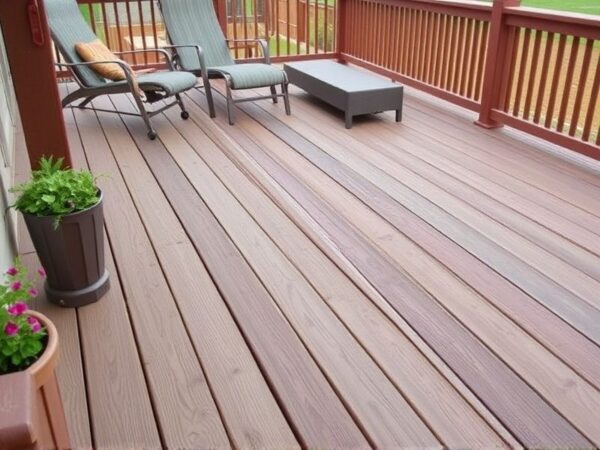
Let’s cut to the chase – yes, composite decking can get warm under direct sunlight. But before you write it off, there’s more to the story than you might expect. I’ve seen homeowners surprised when their new gray composite deck feels hotter than their old wooden one, only to realize later that color choice plays a bigger role than they imagined.
How Hot Are We Talking Here?
On a typical 90°F summer day, dark-colored composite boards can reach surface temperatures that make you do the “hot pavement hop.” We’re talking about ranges that might surprise you – some premium brands stay 10-15°F cooler than cheaper alternatives. Take Trex’s Transcend line versus their basic boards – the difference feels like switching from asphalt to concrete pool decking.
The Material Showdown
Here’s where it gets interesting. Traditional wood decking actually absorbs less heat initially, but hold on – it starts warping and fading within a few seasons. PVC options? They stay cooler than composites but can feel plasticky underfoot. The real winner in my book? Composite decks with built-in air channels. I installed one last summer that stays comfortable even during afternoon barbecues.
Color Matters More Than You Think
Pro tip: Lighter colors aren’t just for beach houses! A client switched from espresso-brown to weathered teak composite and cut their surface temperature by nearly 20%. But here’s the catch – lighter boards show dirt more easily. It’s all about finding that Goldilocks zone between heat management and maintenance.
Brands That Keep Their Cool
From hands-on experience, Fiberon’s Good Life series outperforms competitors in heat resistance. Their secret sauce? A textured surface that reflects sunlight differently. Trex decks with shell-like textures tend to stay more foot-friendly than smooth alternatives. Don’t just take my word for it – local pool installers report fewer complaints about hot decks when using these brands.
Real Homeowner Stories
“We almost returned our composite deck after the first heatwave,” admits Sarah from Arizona. “Then we added a pergola with retractable shades – total game-changer!” Another user in Texas swears by misting systems: “It’s like having an air-conditioned patio.”
Beat the Heat Without Breaking the Bank
Simple fixes make a world of difference:
– Strategic planters that create moving shadows
– Ceramic-based deck sealants (they’re like sunscreen for your boards)
– Lattice panels that let air circulate underneath
One creative homeowner even installed recycled glass tiles as cooling “stepping stones” across their deck.
Keeping Your Deck Chill Long-Term
Regular cleaning isn’t just about looks – a layer of dirt acts like thermal underwear for your deck. Stick to pH-neutral cleaners and avoid pressure washers that can damage the heat-reflective surface. Oh, and those decorative outdoor rugs? They protect your deck and your feet simultaneously.
When Hot Decks Become Safety Hazards
While composite materials won’t literally melt your shoes, I’ve measured surface temps that could potentially cause discomfort. The solution isn’t complicated – time your pool parties for mornings or evenings, and keep a hose nearby for quick cooldowns. Pet owners should consider paw-friendly mats in favorite sunbathing spots.
The Verdict: Smart Choices Make All the Difference
Composite decking does get warm, but not unavoidably hot. With smart material selection and simple design choices, you can create an outdoor space that’s both stylish and comfortable. Remember that slightly warmer surface might mean your deck stays splinter-free and looking new for decades. Isn’t that trade-off worth considering?


Reviews
There are no reviews yet.