
What Exactly Is WPC? Your Go-To Guide for This Game-Changing Material
Breaking Down the WPC Mystery
Let’s cut through the jargon. WPC stands for Wood-Plastic Composite, but that’s just the start. Imagine mixing sawdust from your local lumberyard with recycled milk jugs and grocery bags – that’s essentially the recipe. The magic happens when these wood fibers (usually around 50-70% of the mix) bond with plastics like PE or PVC in what material scientists call a “polymer matrix”.
Why should you care? Well, picture this: Sarah from Colorado switched to WPC decking after replacing her warped wood deck three times in ten years. Five years later? Still looks fresh without annual staining. That’s the WPC promise – the good looks of wood without the headache.
Why WPC Outshines Traditional Materials
Let’s talk real-world performance. WPC’s secret sauce gives it some killer features:
- Water resistance: Unlike thirsty wood that soaks up moisture like a sponge, WPC laughs at rain. Perfect for pool decks that see constant splashes.
- No-splinter guarantee: Remember those painful wood splinters? Not with WPC’s smooth surface.
- UV resistance: That fancy UV stabilization means your deck won’t fade to gray after one summer.
| Feature | WPC | Traditional Wood | PVC |
|---|---|---|---|
| Lifespan | 25+ years | 10-15 years | 15-20 years |
| Maintenance | Annual wash | Seasonal sealing | Bi-annual cleaning |
Pro tip: While WPC costs about 20-30% more upfront than pressure-treated wood, you’ll save big on maintenance costs over time.
Where You’ll Spot WPC in Action
From chic Brooklyn rooftops to Miami beach houses, WPC’s versatility shines:
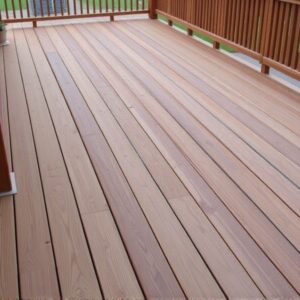
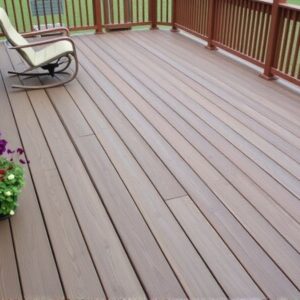
Decking: The #1 use case. Modern WPC decking mimics everything from rich mahogany to weathered teak. Some brands even have realistic wood grain textures.
Cladding: Architects love using WPC for rainscreen systems. It’s lighter than concrete panels and won’t rot like wood siding.
Outdoor furniture: Those trendy bistro sets at your favorite cafe? Good chance they’re WPC – no rusty screws or cracked slats.
Fun fact: The global WPC market is booming, expected to grow by about 8% annually through 2030. Sustainability concerns are driving this surge as more builders seek green alternatives.
Eco-Friendly Credentials That Matter
Here’s where WPC really flexes its green muscles. Most products contain 50-90% recycled materials. Compare that to:
- Concrete production creates about 8% of global CO2 emissions
- Pressure-treated wood requires toxic chemical treatments
- Virgin PVC production relies on fossil fuels
But (and this is important) not all WPC is created equal. Look for certifications like FloorScore® or Cradle to Cradle®. My go-to brands? They use 100% post-industrial waste and plant-based polymers.
Keeping It Simple: WPC Care 101
Here’s the beauty part – maintenance is a breeze. For most installations:
- Hose down seasonally
- Mild soap for stubborn stains
- No sanding, ever
Watch out for cheap imitations though. Low-quality WPC can stain if you leave the grill drippings too long. Stick with reputable brands that offer at least a 25-year warranty.
WPC vs The Competition: Real Talk
Let’s settle the debate:
PVC Decking: More color-fast but gets hot underfoot. WPC stays cooler thanks to wood content.
Concrete Pavers: Great for driveways, but back-breaking to install. WPC clicks together like laminate flooring.
Tropical Hardwoods: Beautiful but ethically questionable. WPC gives the look without the rainforest guilt.
Recent innovations? Some manufacturers are mixing in rice hulls or bamboo fibers for enhanced durability. Others are developing fire-resistant grades for commercial use.
Is WPC Right For You?
If you’re tired of replacing rotten deck boards or painting peeling railings, WPC deserves a serious look. It’s not perfect – extreme cold can make it brittle, and heavy furniture might leave temporary indentations. But for most homeowners, the tradeoffs are worth it.
Next time you’re at the hardware store, ask to see WPC samples. Run your hand over the surface – you’ll be surprised how far these materials have come from the plasticky versions of the 2000s.
Final thought: While WPC costs more upfront, think of it as an investment. You’re not just buying materials – you’re buying back your weekends from endless maintenance chores.

Reviews
There are no reviews yet.