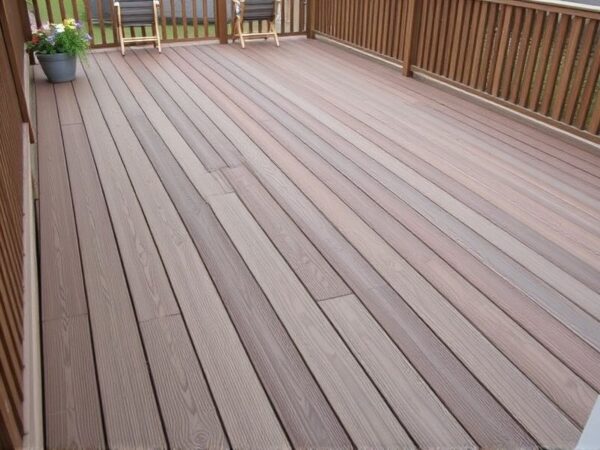
Why Decking Plastic Composite is Revolutionizing Outdoor Living Spaces
The Unbeatable Combo: Tough as Nails, Easy on the Eyes
Let’s cut to the chase – when you’re building a deck, you want something that can handle your kid’s lemonade spills, rowdy BBQ parties, and whatever weather Mother Nature throws its way. That’s where decking plastic composite comes in. Unlike traditional wood that starts looking sad after a few seasons, these modern boards laugh in the face of rain, snow, and UV rays. I’ve seen composite decks that looked brand new after 15 years, while their wood counterparts down the street were already on their third replacement.
Say Goodbye to Weekend Chores
Remember those Saturday mornings spent sanding, staining, and sealing wood decks? Yeah, me neither – because I switched to composite materials years ago. The beauty of plastic composite decking lies in its low-maintenance nature. A quick hose-down or simple soap solution is all it takes to keep it looking sharp. No more worrying about splinters ruining bare feet or mold taking over shady spots. It’s like having a self-cleaning patio that actually works!
Eco-Friendly Without the Tree-Hugger Stereotype
Here’s something that might surprise you: choosing composite decking can actually be greener than using natural wood. Most quality brands use 90-95% recycled materials – think grocery bags, milk jugs, and sawdust that would otherwise clog landfills. Compare that to cutting down 40-year-old trees every decade for deck replacements. Plus, you’re not dealing with toxic stains or sealants that wash into the soil. It’s sustainability that doesn’t scream “crunchy granola” but still makes a real difference.
Installation Made Simpler Than IKEA Furniture
Now, I’m not saying you should DIY your entire deck (leave the structural stuff to pros), but composite materials make the process smoother. The hidden fastener systems create that sleek, seamless look everyone wants. Just remember three things: leave proper expansion gaps (about the width of a nickel between boards), use the right screws, and make sure your substructure is rock-solid. Pro tip: Go for aluminum joists if you’re building near water – they’ll outlast standard wood framing by decades.
Style That Actually Lasts
Gone are the days of “wood-look” meaning fake plasticky textures. Modern composites come in rich espresso tones, weathered gray finishes, and even multi-color streaking that mimics real cedar. The best part? The color runs through the entire board. So when your overenthusiastic grill master leaves a scorch mark (we’ve all been there), a light sanding makes it disappear instead of revealing an ugly plastic core.
Wood vs. Composite: The Real Cost Breakdown
| Feature | Pressure-Treated Wood | Premium Composite |
|---|---|---|
| Upfront Cost | $ | $$$ |
| 10-Year Maintenance Costs | $$$ | $ |
| Lifespan | 7-15 years | 25+ years |
| Resale Value Boost | 3-5% | 5-8% |
Where Composite Decking Really Shines
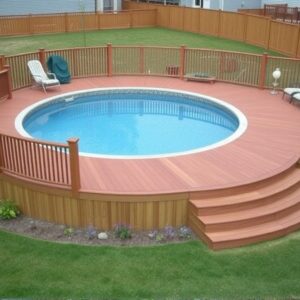
While composite works almost anywhere, it’s a game-changer in specific situations. Pool decks that constantly get wet? Check. Beach houses battling salt air? Absolutely. Urban rooftops with extreme sun exposure? You bet. I recently helped a client in Arizona install light-gray composite boards that stay cool enough for bare feet – something impossible with traditional wood or darker composites.
The Hidden Perks You Might Not Consider
Beyond the obvious benefits, composite decking has some sneaky advantages. No more warped boards creating toe-stubbing hazards. Say goodbye to checking (those ugly cracks in wood grain). It’s termite-proof – a big deal in southern states. Plus, many manufacturers offer fade warranties longer than most car loans. Just make sure to choose a reputable brand – this isn’t the place to cut corners.
Making the Switch: What Homeowners Should Know
If you’re thinking about composite decking, start by checking local building codes. Some fire-prone areas have restrictions. Budget-wise, expect to pay about 2-3 times more than pressure-treated pine upfront, but remember you’re saving thousands in maintenance. My golden rule: allocate 60% of your budget to quality substructure – even the best decking can’t fix a shaky foundation.
The Verdict: Is It Right For You?
Let’s be real – composite isn’t perfect. It’s heavier than wood, gets hotter in direct sun (lighter colors help), and lacks that “fresh lumber” smell. But for most homeowners tired of constant upkeep, it’s a no-brainer. Think of it like buying a luxury car versus a beater – the initial sting fades when you’re cruising stress-free years later. Still on the fence? Grab some free samples from manufacturers. Feeling the texture and seeing colors in your actual space makes all the difference.

Reviews
There are no reviews yet.