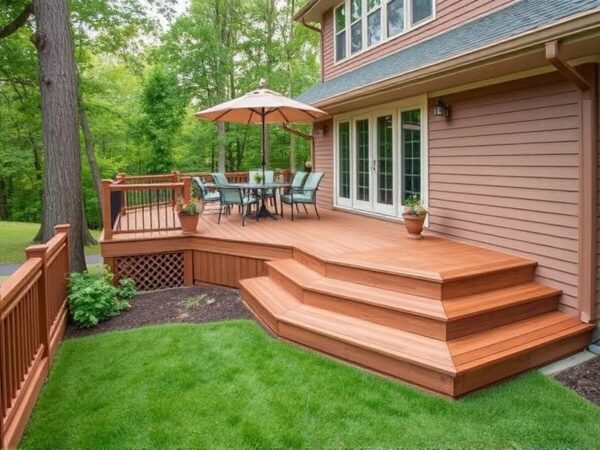
Deck Alternatives to Wood: Smart Options for Modern Outdoor Living
Let’s be honest – while wood decks have that classic charm, most homeowners I talk to are done with the constant maintenance. If you’re tired of annual staining battles against rot and splinters, you’re not alone. Today’s deck alternatives offer surprising benefits that go way beyond just looking good. From composite materials that laugh in the face of rainstorms to sleek aluminum options that stay ice-free in winter, there’s a whole world beyond pressure-treated lumber.
Why Bother With Alternatives?
Remember that time your neighbor’s wood deck sprouted mushrooms? Yeah, that’s nature’s way of telling us wood isn’t always the best choice. Modern materials solve three big headaches: weather wars, upkeep marathons, and environmental concerns. They might cost more upfront, but when you factor in decades of low maintenance, the math starts looking pretty interesting.
The Contenders: Breaking Down Your Options
Let’s meet the lineup of wood alternatives that are changing how we build outdoor spaces:
Composite Decking – The All-Rounder
Picture this: A material that looks like wood but acts like plastic. Composite decking combines recycled wood fibers and plastic polymers. My clients in Seattle swear by it – one family hasn’t touched their deck with more than a garden hose in 8 rainy years. While it can get warm in direct sun, newer versions with cooling technology are solving that issue.
PVC Decking – The Water Warrior
If you’re building near water or in super humid climates, PVC might be your hero. Completely waterproof and mold-resistant, it’s what I recommend for pool surrounds. The color runs through the entire board too, so scratches don’t show. Just don’t expect it to feel exactly like wood underfoot – there’s a slight plastic texture.
Aluminum Decking – The Industrial Chic Option
Wait, metal decks? Hear me out. Aluminum decking stays cool in summer, won’t warp or crack, and handles heavy loads like a champ. I helped install a floating aluminum deck on a Chicago rooftop that’s survived -40° winters and 100° summers without blinking. The industrial look isn’t for everyone, but when it works, it’s magic.
Stone Composite – The Luxury Player
For those wanting serious curb appeal, stone-polymer composites offer elegant veining patterns that mimic real stone. They’re heavier than other options but handle temperature swings beautifully. A client in Arizona used this for their desert oasis deck – five years later, it still looks brand new despite daily 110° heat.
How They Stack Up: Real-World Comparisons
Let’s break this down in terms that actually matter for homeowners:
| Material | Upfront Cost | Lifespan | Maintenance | Best For |
|---|---|---|---|---|
| Pressure-Treated Wood | $ | 10-15 years | Annual staining | Temporary solutions |
| Composite | $$$ | 25+ years | Occasional wash | Most climates |
| PVC | $$$$ | 30+ years | None | Wet areas |
| Aluminum | $$$$ | 50+ years | None | Extreme climates |
Notice how the long-term costs tell a different story? That $15/sqft wood deck could end up costing more than composites when you factor in maintenance and replacement costs.
Choosing Your Champion: What Really Matters
Picking the right deck alternative isn’t just about specs – it’s about your life. Ask yourself:
- How much time do I want to spend scrubbing?
- Does my area get crazy temperature swings?
- Am I going for resale value or personal enjoyment?
Take the Johnson family from Florida. They opted for PVC decking around their saltwater pool. Three hurricane seasons later, their deck still looks pristine while their neighbor’s wood deck needed complete replacement. The initial investment paid off faster than they expected.
Installation Insights: What They Don’t Tell You
Here’s the inside scoop from contractors: Many alternative decking materials require specific installation techniques. Aluminum decks need special fasteners to prevent corrosion. Composite boards need proper spacing for expansion. Always work with installers experienced with your chosen material – it makes all the difference in longevity.
Eco-Friendly or Greenwashing?
Let’s cut through the marketing: True sustainability varies. Composite decking using recycled materials scores points, but production energy matters. Aluminum is infinitely recyclable but energy-intensive to produce. The greenest choice? Whatever lasts longest in your climate. A 50-year aluminum deck beats replacing wood every decade, even if production isn’t perfect.
Design Freedom: Beyond Brown Planks
Gone are the days of choosing between “wood tone A” and “wood tone B.” Modern alternatives offer colors from beachy grays to bold charcoals. Textured surfaces can mimic wood grain or go sleekly modern. My favorite trend? Mixing materials – maybe aluminum framing with composite deck boards for contrast.
When to Stick With Wood
Surprise – sometimes wood still makes sense! For historic homes or temporary installations, nothing beats the real thing. Tropical hardwoods like ipe offer natural durability, though sourcing concerns exist. If you go this route, look for FSC-certified suppliers and be ready for serious maintenance.
The Future of Decking
What’s next? We’re seeing experimental materials like bamboo composites and recycled plastic lumber gaining traction. Some companies are even embedding LED lighting into deck boards. The key trend? Materials that do more – from built-in drainage systems to surfaces that actively cool themselves.
At the end of the day, choosing deck alternatives to wood isn’t about rejecting tradition. It’s about finding solutions that let you enjoy your outdoor space more and work on it less. Whether you’re sipping coffee on a fog-resistant composite deck or hosting cocktails on rust-proof aluminum, modern materials are redefining what outdoor living can be.
Reviews
There are no reviews yet.