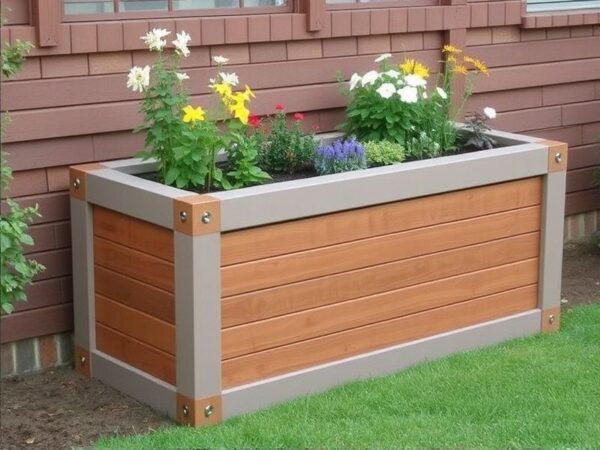
Composite Planter Box: Durable & Stylish Garden Solutions That Actually Last

Let’s be real – keeping plants alive is hard enough without worrying about your planter boxes rotting out or fading in the sun. That’s where composite planter boxes come in, blending eco-smarts with seriously tough performance. I’ve watched too many friends deal with cracked clay pots and termite-chewed wooden boxes to stay quiet about this game-changing alternative.
Why Your Plants Deserve Better Than Basic Planters
Remember that beautiful cedar planter your neighbor installed last spring? By summer’s end, it probably looked more like a science experiment with warped boards and suspicious fungi. Traditional materials just can’t handle the daily grind of sun, water, and hungry insects. Composite planter boxes solve this with a clever mix of about 60% recycled wood fibers and 40% reclaimed plastics – basically giving trash a glamorous second life as garden armor.
The Secret Sauce in Composite Materials
What makes these planters so tough? Let’s break it down:
- 🛡️ UV protection baked right into the material (no more faded “sunburned” planters)
- 🚫 Zero-rot guarantee thanks to moisture-resistant composition
- 🐜 Built-in insect resistance (termites literally can’t digest the plastic components)
I recently installed a set on my south-facing balcony that gets brutal afternoon sun. Two seasons later, they still look fresh off the showroom floor – and that’s without any sealing or staining!
Side-by-Side: Composite vs Traditional Planters
| Feature | Composite | Wood | Clay |
|---|---|---|---|
| Lifespan | 10+ years | 3-5 years | 2-4 years |
| Maintenance | Just occasional wipe | Seasonal staining | Winter storage needed |
| Weight | 30% lighter than clay | Varies | Very heavy |
Smart Installation for Any Space
Whether you’re working with a tiny fire escape balcony or a sprawling rooftop garden, here’s my pro tip: Go modular. Most composite planter box systems let you:
- 🔀 Mix and match sizes (I love using tall narrow boxes as living room dividers)
- 🎨 Choose from textured finishes that mimic wood grain or sleek modern solids
- 🔄 Arrange in L-shapes or tiered layouts for visual interest
For renters worried about weight restrictions, the lightweight design means you can grow that mini citrus tree without worrying about crashing through the floor!
The Sustainability Angle You’ll Feel Good About
Here’s where it gets really cool – each 4-foot composite planter box contains roughly equivalent of:
- ♻️ 250 plastic grocery bags
- 🌲 2 reclaimed 2×4 boards
- ⛽ 15% less CO2 emissions vs concrete planters
Many manufacturers are now pursuing LEED certification points for projects using these planters. Imagine telling dinner guests your herb garden helps buildings go green!
Real-World Maintenance: What You Actually Need to Do
Let’s bust a myth – “low maintenance” doesn’t mean “no maintenance”. Here’s the actual care schedule from my experience:
- 🌧️ After heavy rain: Quick drain check (prevents waterlogging)
- 🍂 Seasonally: Wipe with vinegar solution (keeps finishes fresh)
- ❄️ In freezing climates: Empty excess water (prevents ice expansion)
Pro tip: The textured surfaces hide minor scratches beautifully. When my cat decided to “redecorate” mine last fall, the damage was barely noticeable!
Customization That Actually Matters
Beyond basic colors, today’s composite planter boxes offer smart upgrades:
- 🔌 Built-in irrigation channels (perfect for vacation weeks)
- 💡 LED lighting integration (show off those night-blooming plants)
- 📏 Adjustable height extensions (grow tomatoes without bending over)
I recently helped a client create an edible wall using interlocking boxes – the modular design made it easy to create planting pockets exactly where needed.
When Composite Planters Shine Brightest
These aren’t just suburban backyard solutions. Some of my favorite urban uses:
- 🏙️ Noise-reducing balcony buffers along busy streets
- 🍅 Compact herb spirals in micro-apartments
- 🌿 Privacy screens for shared rooftop spaces
One restaurant client even uses them as durable outdoor menu displays – talk about multi-purpose!
The Price Conversation (Let’s Be Honest)
Yes, composite planter boxes cost more upfront than basic plastic pots. But factor in:
- 💸 No replacement costs every few years
- 🕒 Elimination of annual maintenance expenses
- 📈 Increased property appeal (RE agents note outdoor upgrades)
Over a 5-year period, most users actually save 30-40% compared to constantly replacing wood planters. Plus, some cities offer green initiative rebates!
Final Thoughts From a Converted Skeptic
As someone who clung to terracotta pots for years, I’ll admit I was wrong about composite materials. The combination of eco-credentials and real-world durability won me over. Whether you’re growing prize roses or just keeping a succulent alive (no judgment!), these planters remove excuses while keeping your space looking sharp.
Next time you’re eyeing that rotting wooden box on your patio, ask yourself: Isn’t it time your planters worked as hard as you do to keep things growing?

Reviews
There are no reviews yet.