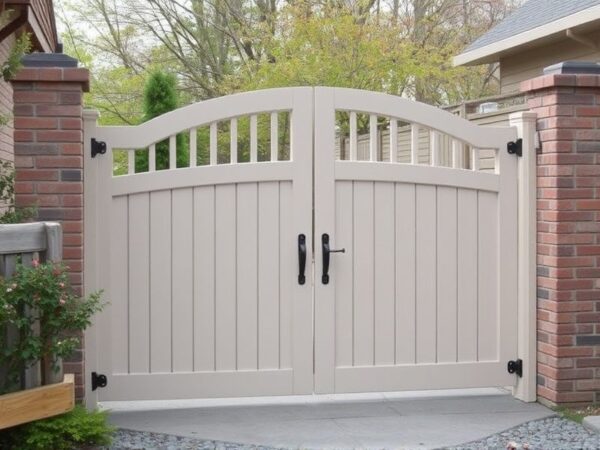
Composite Gates: Weather-Resistant & Low-Maintenance Entry Solutions That Actually Last
Why Composite Gates Are Beating Traditional Materials
Let’s be real – nobody enjoys scraping peeling paint off wood gates or scrubbing rust from iron ones. That’s why composite gates are turning heads in both residential and commercial projects. These aren’t your grandpa’s garden gates. We’re talking about a smart blend of polyethylene, fiberglass strands, and recycled wood fibers that creates a material tougher than a weekend warrior’s toolbox. The secret sauce? UV-resistant coatings that keep colors from fading faster than your favorite band t-shirt. I’ve seen these gates hold their own through scorching summers and icy winters without warping or cracking – something my neighbor’s wooden gate definitely can’t claim after last winter’s polar vortex.
What’s Actually in These Things?
The magic formula varies by manufacturer, but most quality composite gates contain about 50-60% recycled materials. Picture this: those plastic grocery bags you recycle get a second life as polyethylene base material, mixed with fiberglass for backbone and wood fibers for that natural look. It’s like the Avengers of building materials – each component brings its superpower to the table. The result? A gate that laughs in the face of termites and won’t rot if your sprinkler system goes haywire.
Installation Smarts You’ll Wish You Knew Sooner
Here’s where composite gates really shine compared to their high-maintenance cousins. No need for fancy footings or weekly TLC sessions. Most contractors I’ve worked with recommend spacing posts about 6-8 feet apart – similar to wood gates but without the constant adjustment. Pro tip: Leave a nickel’s width gap between panels for expansion during heat waves. Saw a nightmare installation last summer where someone used untreated steel hardware… let’s just say the rust stains weren’t pretty. Stick with stainless steel or composite-specific brackets and you’re golden.
Real-World Toughness: Coastal Resort Case Study
Remember that beachfront hotel in Miami that constantly replaced its wood gates every 3 years? They switched to composite gates five years back and guess what? Zero replacements needed, despite salt spray that would make a battleship rust. Maintenance crew told me they went from weekly power-washing sessions to just hosing down the gates during monthly landscaping visits. Now that’s what I call a win.
Style That Doesn’t Sacrifice Security
You might think “durable” means boring, but today’s composite gates come in styles that’ll make your home the envy of the block. Slatted designs are hot right now for modern homes, offering privacy while still letting breeze through – perfect for that California coastal vibe. On the flip side, solid panels with integrated smart locks are trending for commercial properties. Saw a tech campus in Austin using gates with hidden RFID readers that blend right into the composite material. No more clunky metal boxes ruining the clean lines!
Cost Breakdown That Might Surprise You
Okay, let’s talk numbers. Yeah, composite gates cost more upfront than basic wood – maybe 20-30% higher. But hold on. When you factor in zero staining costs, no replacement panels every few years, and not paying the kid down the street to repaint them annually, the math gets interesting. Most of my clients break even within 5-7 years. For commercial properties dealing with maintenance contracts? They often see ROI in under three years. Plus, many manufacturers now offer 15-25 year warranties that actually mean something.
Keeping Your Gate Looking Fresh
Here’s the beauty part – maintenance is basically “set it and forget it.” Twice a year, I tell clients to just hose down their gates and maybe use a soft brush on any stubborn dirt spots. No special cleaners needed, though a mix of mild soap and water works wonders if your neighbor’s dog develops a gate-marking habit. Watch out for abrasive cleaners though – they’re about as good for composite gates as sandpaper is for your car’s paint job.
Eco-Cred That Actually Matters
With everyone going green these days, composite gates bring some serious environmental chops. Most quality manufacturers now have certifications like GREENGUARD or Cradle to Cradle. Translation: they’re not just recycling milk jugs into gate material, but doing it in energy-smart ways. One supplier told me their production process uses 40% less water than traditional wood treatment methods. Plus, when these gates eventually need replacing (decades from now!), many components can be recycled again – take that, landfill!
Designer’s Hot Take
“We’re specifying composite gates for about 70% of new projects now. Clients love that they can get the warmth of wood without the upkeep. Last month we did a mountain retreat where the gates needed to handle heavy snow loads while matching cedar siding – composite delivered on both fronts.”
– Jamie R., Landscape Architect with 15 years experience
Weather Wars: Extreme Climate Performance
Worried about desert heat or midwest freezes? Composite gates have come a long way. Recent testing showed less than 0.5% expansion/contraction between 0°F and 120°F – way better than wood’s 2-4% swing. I visited a Phoenix development where gates face direct sun 300+ days a year. After three years, the color looked as good as installation day, while nearby iron gates needed touch-ups every six months. For cold climates, the non-porous material means no ice damage from freeze-thaw cycles. No more chipping ice off the gate just to get your car out!
Smart Features That Don’t Scream “Tech”
The latest trend? Built-in tech that keeps security seamless. Imagine gates with discreet charging ports for security cameras, or composite posts that hide wiring for automated systems. Some manufacturers even offer gates with integrated LED lighting channels – perfect for highlighting pathways without bulky fixtures. Saw a gated community in Florida using composite gates with hurricane-rated reinforcement and hidden cable runs for storm shutters. Now that’s thinking ahead!
Final Thoughts From the Trenches
After seeing composite gates in action everywhere from beach houses to corporate campuses, here’s my take: If you’re tired of the maintenance merry-go-round with traditional materials, it’s worth a serious look. The upfront cost stings a bit, but the long-term savings and headache reduction are real. Plus, with the style options available now, you’re not sacrificing curb appeal. Just make sure to work with a supplier that offers proper certifications and a solid warranty – your future self will thank you when you’re not out there sanding gates every spring!

Reviews
There are no reviews yet.